



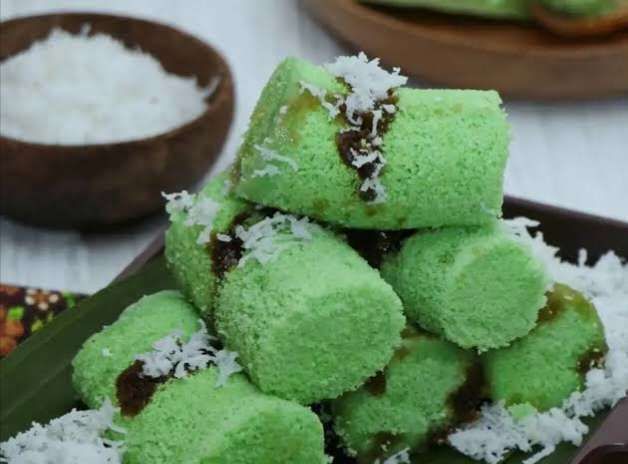
KBRN, Cirebon: A traditional Indonesian steamed rice flour cake filled with palm sugar (gula aren or gula jawa) and served with grated coconut, kue putu is more than just a sweet treat. It is a living piece of history.
For many Indonesians, the high-pitched whistle of its steam cart, the fragrant aroma of pandan, and the sweet topping of grated coconut evoke cherished childhood memories.
Although kue putu is closely associated with Java, its historical roots are older and more widespread. Some historians believe the snack originated in China.
Ancient records from the Ming Dynasty, dating from the 12th to 15th centuries, mention a dish called putu mayam or putu cheng, which shares characteristics with the kue putu known today: made from rice flour, steamed in bamboo, and filled with sugar.
Historical accounts suggest that the migration of Chinese traders to Southeast Asia, including Indonesia, played a significant role in its spread. These traders brought their culture, including culinary traditions, with them. In Indonesia, kue putu underwent a process of adaptation and assimilation with local customs.
The use of pandan leaves for natural green coloring and aroma, combined with locally abundant palm sugar and grated coconut, became defining features that distinguish it from its original version.
In Java, kue putu carries deeper cultural significance. It is often served at traditional ceremonies and rituals. The distinctive whistling sound produced by steam escaping from bamboo molds has become an unforgettable “call sign” for communities across the island.
While the recipe is simple in principle, it requires a specific technique. The main ingredient is coarse-grain rice flour, mixed with pandan-infused water.
This mixture is packed into small bamboo molds with a slice of palm sugar placed in the center. Steaming is the key: the molds are positioned over holes in a steamer, allowing hot steam to melt the sugar, creating a sweet surprise inside the cake when bitten.
Once cooked, the cakes are removed from the molds and topped with a generous amount of steamed, lightly salted grated coconut, offering a savory-sweet finish.
Today, kue putu is no longer confined to street carts. Many modern cafés and restaurants serve it with contemporary twists, toppings like cheese, chocolate, or ice cream.
Yet its authentic taste remains its greatest appeal. Kue putu reminds us that culinary richness is not always about luxurious ingredients, but about the stories, traditions, and nostalgia they carry. Behind this seemingly simple dish lies an invaluable cultural heritage. ***
Translator: Naura Sofia
Editor: Lasti Martina
News Recomendation
Loading latest news.....