



Here is a Lineup of Iconic Indonesian Mackerel Dishes You Must Try
- 10 Jun 2026 12:05 WIB
- Voice of Indonesia
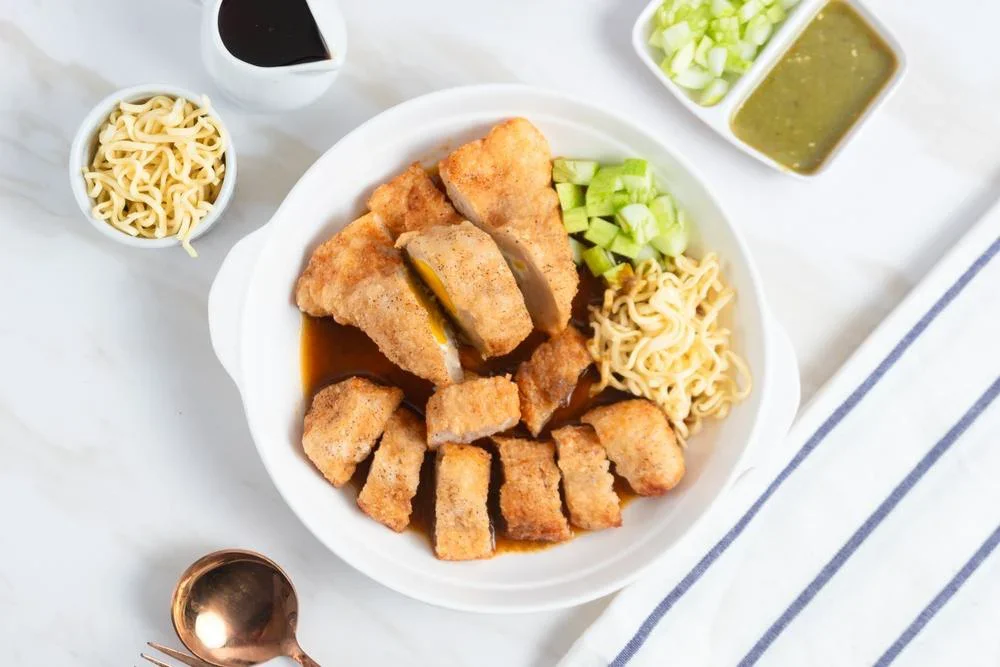
RRI.CO.ID, Jakarta - Indonesia holds an unexpected wealth of flavors, hidden behind recipes passed down through generations across the archipelago. Who would have thought that these five fish-based dishes could stand strong amidst the onslaught of modern food trends?
These traditional dishes are easy to find in Indonesia, as many locals absolutely love them. Curious about the secret behind the deliciousness that keeps these dishes from ever losing their fans?
Siomay
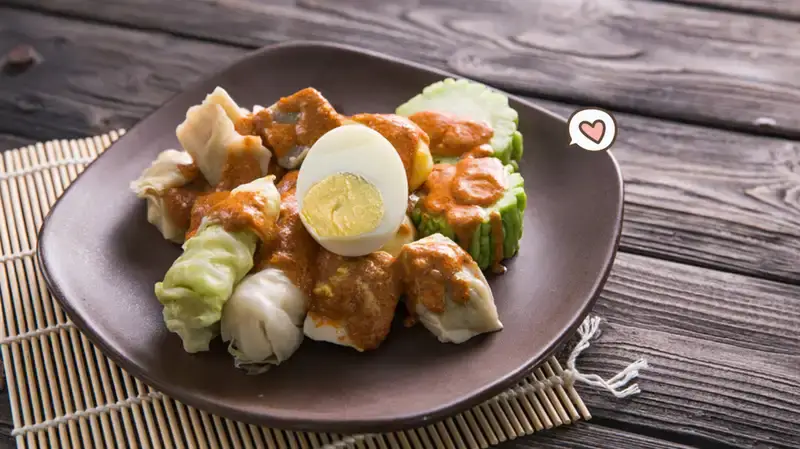
Siomay is a famous traditional food in Indonesia, sold everywhere from high-end restaurants to street vendors. It features a savory, slightly sweet flavor and a chewy texture.
The main ingredient that makes siomay so delicious, is Spanish mackerel (ikan tenggiri). Fresh fish is ground and mixed into a dough with various seasonings, then shaped into rounds and steamed. Siomay is typically served with a rich peanut sauce, accompanied by boiled cabbage, boiled potatoes, or boiled eggs.
Siomay itself originally came from China and was brought to Indonesia under the name shaomai, which originally used a pork filling. The filling was later replaced with mackerel, which is abundantly found in Indonesian waters. The popularity of this dish peaked in Bandung, becoming a signature snack of the city and famously known as "Siomay Bandung."
Otak-Otak
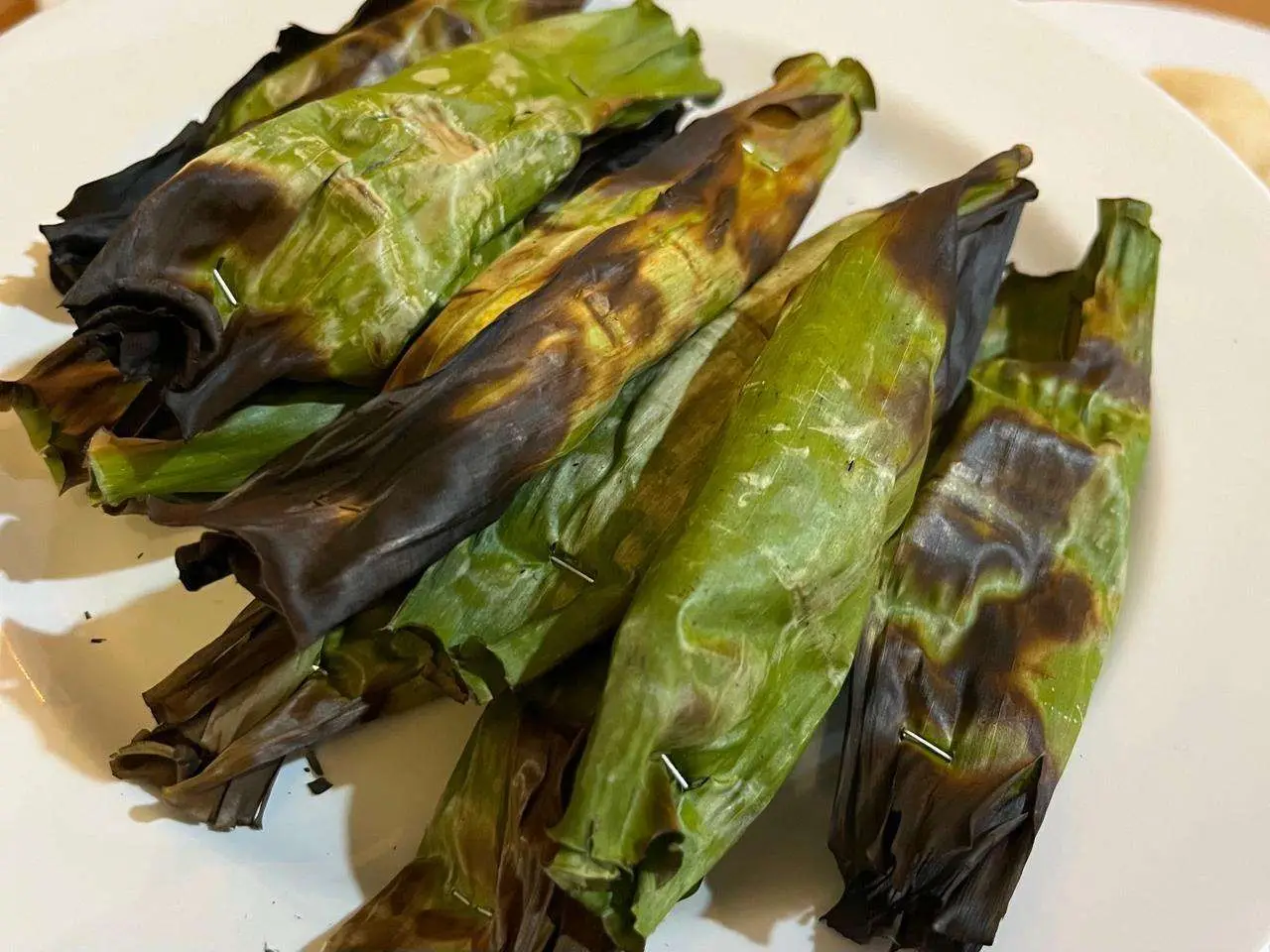
Otak-otak is a traditional Indonesian culinary delight that remains highly popular among all walks of life to this day. This food is known to originate from Indonesia's coastal regions, notably Palembang, Bangka Belitung, and Riau.
Otak-otak is also made from a base of minced mackerel mixed with sago or tapioca flour, coconut milk, and seasonings. The mixture is then wrapped in banana leaves before being grilled or steamed.
The distinct aroma of the charred banana leaves is one of the main attractions of this dish. When you unwrap the leaf, you get to enjoy an otak-otak that is smoky, soft, and savory.
Bonggolan
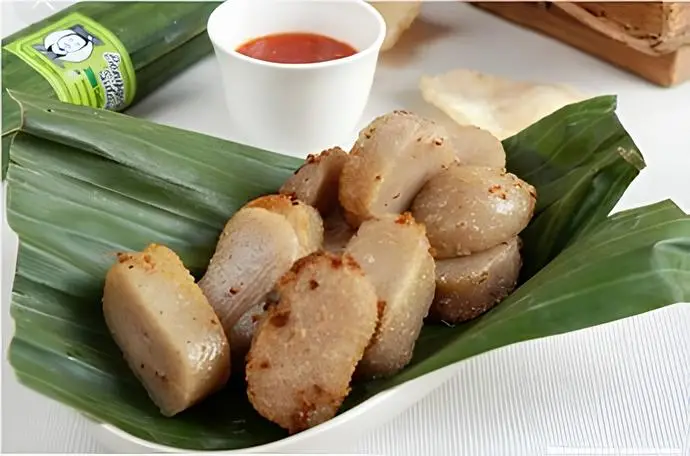
Hailing from Gresik, there is a traditional food that combines fish with tapioca starch called bonggolan. This dish is similar to otak-otak, but bonggolan has a savory-salty flavor with a very strong fish taste, made without using coconut milk.
Various types of fish can be used to make bonggolan, but the most common are milkfish and mackerel. This culinary treat is steamed in an oblong-shaped banana leaf wrapper, resulting in a chewy yet dense texture.
You could say bonggolan is like a raw or semi-finished fish cracker (kerupuk) that has not been dried or thinly sliced yet. The name "bonggolan" itself is derived from its elongated, oblong shape that resembles a tree stump or log (bonggol).
Pempek
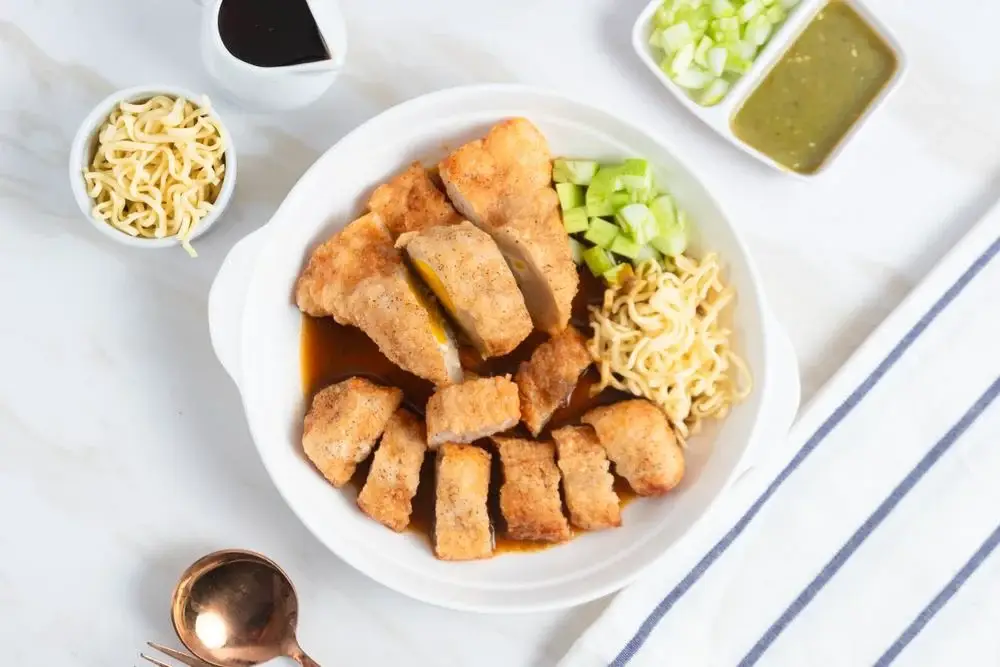
Unlike the previous dishes, pempek is a fish delicacy that is either fried or boiled. This culinary creation is widely known to originate from Palembang, and the name "Pempek Palembang" is commonly used by vendors.
Pempek was originally made from featherback fish (ikan belida), but over time, people have also used other fish like mackerel and snakehead fish (ikan gabus). The minced fish is mixed with sago flour and shaped into various forms, such as oblongs, rounds, and the kapal selam (submarine) shape, which is stuffed with an egg.
To enjoy this dish, it must be served with a special sauce called Cuko. Authentic cuko is made from a specific regional dark palm sugar block (gula batok), tamarind, bird's eye chilies, and garlic. Its flavor is a perfect blend of spicy, sweet, sour, and a hint of savoriness.
Tekwan
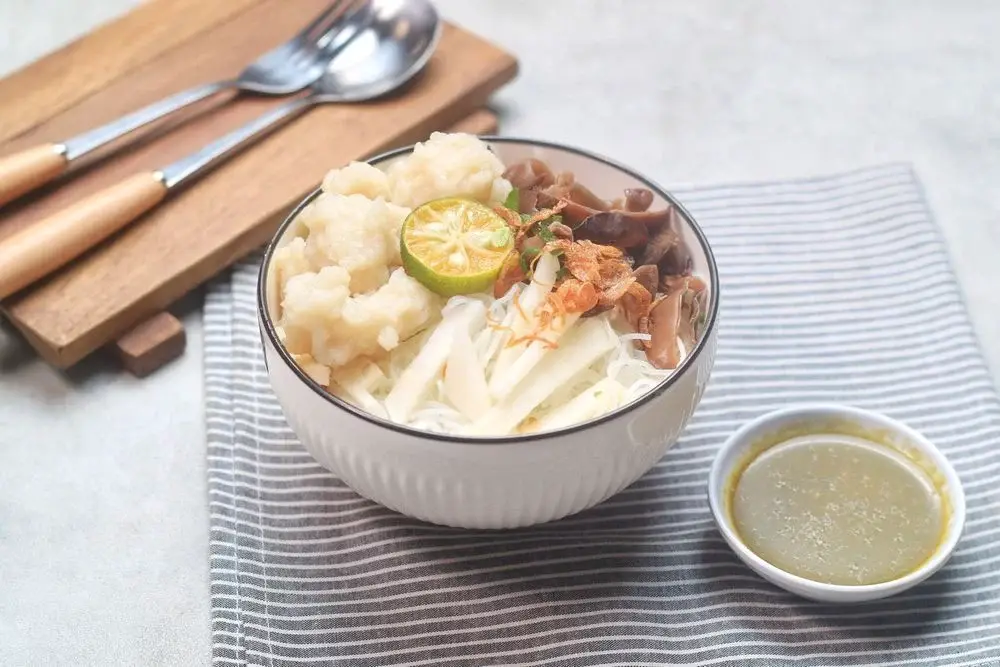
Another signature culinary dish made from processed fish is tekwan. Tekwan is a regional version of "fishball soup" that originates from Palembang.
The preparation is similar to pempek—a mixture of fish and sago flour—but the tekwan dough is shaped by taking small, random pinches of it and boiling them. The result is curly-textured fish chunks that are very chewy and soft to the bite.
Tekwan is served in a clear soup broth made from a shrimp stock base. The blended spice paste uses garlic, pepper, and dried shrimp (ebi), which is then complemented by sliced wood ear mushrooms, jicama, night-blooming cereus (bunga sedap malam), and a squeeze of lime juice, making the broth's aroma incredibly fragrant and savory.
The culinary charm of mackerel indeed never fails to capture hearts. Every region in Indonesia has its own way of celebrating the deliciousness of this fish, packaging tradition and creativity to endure to this day. From the sweet and savory notes of siomay, the smoky aroma of otak-otak and bonggolan, to the refreshing broth of tekwan and the tanginess of fish stews, they are all ready to pamper your palate.
News Recomendation
Loading latest news.....