



Poteng and Jaje Tujak, Authentic Sasak Sticky Rice Delicacies
- 21 Mei 2025 14:26 WIB
- Voice of Indonesia
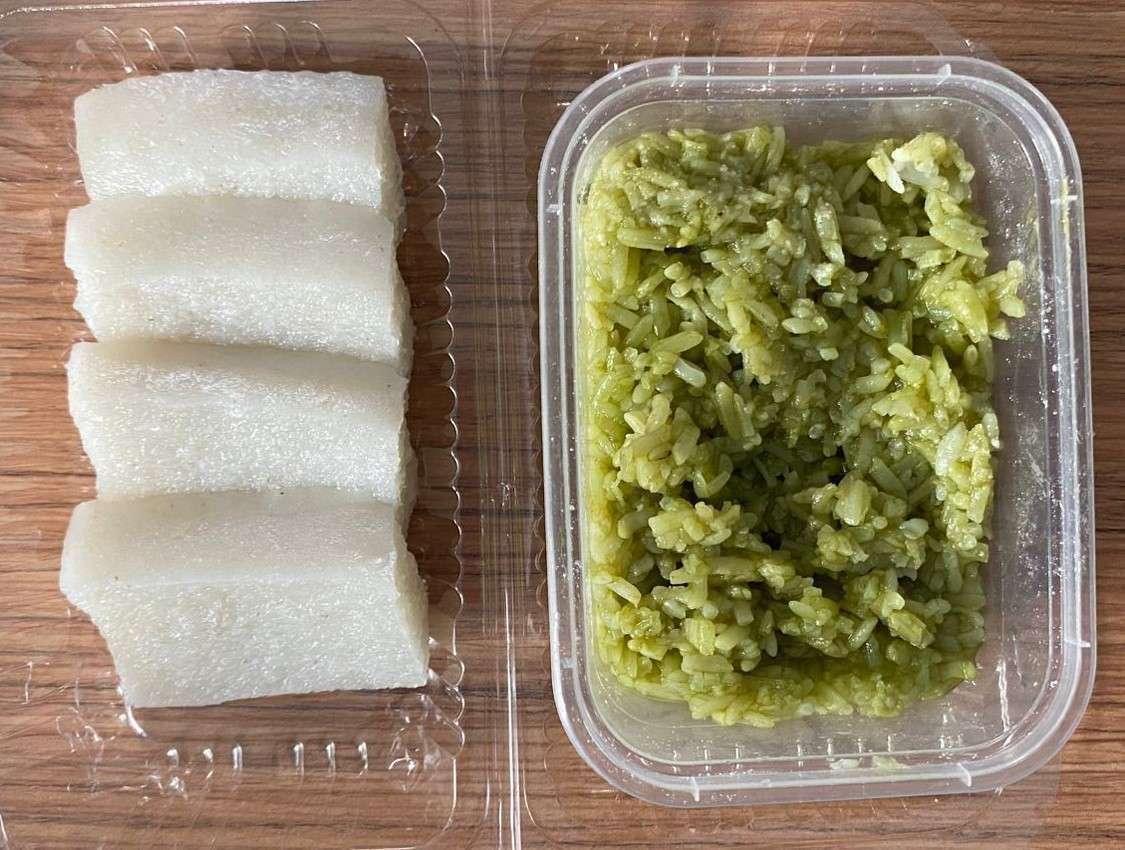
KBRN, Mataram: Despite the modernization of the culinary scene, traditional flavors continue to hold a special place in people's hearts. On Lombok Island, two iconic Sasak dishes remain beloved: poteng and jaje tujak.
These foods are more than just sustenance; they are deeply rooted in cultural heritage, carrying rich meaning and tradition.
Two Dishes, One Main Ingredient: Sticky Rice
Both poteng and jaje tujak are made from sticky rice, but their preparation methods differ, resulting in distinct textures and flavors.
These dishes are commonly enjoyed during religious celebrations such as Eid al-Fitr, as well as during traditional ceremonies and family gatherings.
Outside of these occasions, they can be found in local markets and Lombok cake shops, ensuring their availability year-round.
Jaje Tujak: A Pounded Cake with Tradition
In the Sasak language, "jaje tujak" means "pounded cake." The preparation process is unique and labor-intensive—steamed sticky rice is pounded until smooth using traditional tools.
The result is a dense yet soft and chewy texture, often enjoyed on its own or paired with sweet grated coconut as an afternoon snack.
This method is more than just a culinary technique; it symbolizes togetherness. In the past, the menujak (pounding) process was a social activity, where mothers and daughters gathered to prepare jaje tujak, exchanging stories while working side by side.
Poteng: The Sweetness of Perfect Fermentation
Meanwhile, poteng is a fermented sticky rice delicacy. After cooking, yeast is added, and the mixture is stored in a sealed container for about three days.
When fermented properly, poteng develops a naturally sweet, soft, and slightly watery texture. It is typically eaten cold or served alongside jaje tujak, creating a perfect balance of flavors.
While fermented sticky rice exists in many regions of Indonesia, Lombok-style poteng stands out due to the specific type of sticky rice used and its traditional processing methods, which continue to be preserved over generations.
From Tradition to Business Opportunity
Poteng and jaje tujak are no longer limited to traditional celebrations. Many small businesses in Lombok have recognized their commercial potential, offering these dishes in modern packaging—ideal for souvenirs or everyday snacks.
Their distinct flavors and rarity outside Lombok make them highly sought-after.
"I sell poteng and jaje tujak at the market every morning, and they always sell well, especially around Eid. Many people also order them for celebrations or gifts," said Rumiati, a traditional cake seller at Pagesangan Market, Mataram.
Sasak Heritage That Lives On
In the midst of fast food trends and viral snacks, poteng and jaje tujak continue to be cherished symbols of blessings, togetherness, and gratitude for the Sasak community.
If you visit Lombok, don't miss the chance to taste these traditional delicacies, which offer both flavor and cultural depth in every bite. Poteng and jaje tujak not only delight the palate but also invite visitors to experience the island's rich culinary heritage. ***
Translator: Misni Parjiati
Editor: Lasti Martina
News Recomendation
Loading latest news.....