



Key Points
- Ministry Encourages MSMEs to join the Hajj and Umrah supply chain, stimulating the national economy through international market access.
- Yogyakarta’s 340,000 MSMEs, mostly micro‑sector businesses, offer high‑quality products with strong potential to meet pilgrims’ needs.
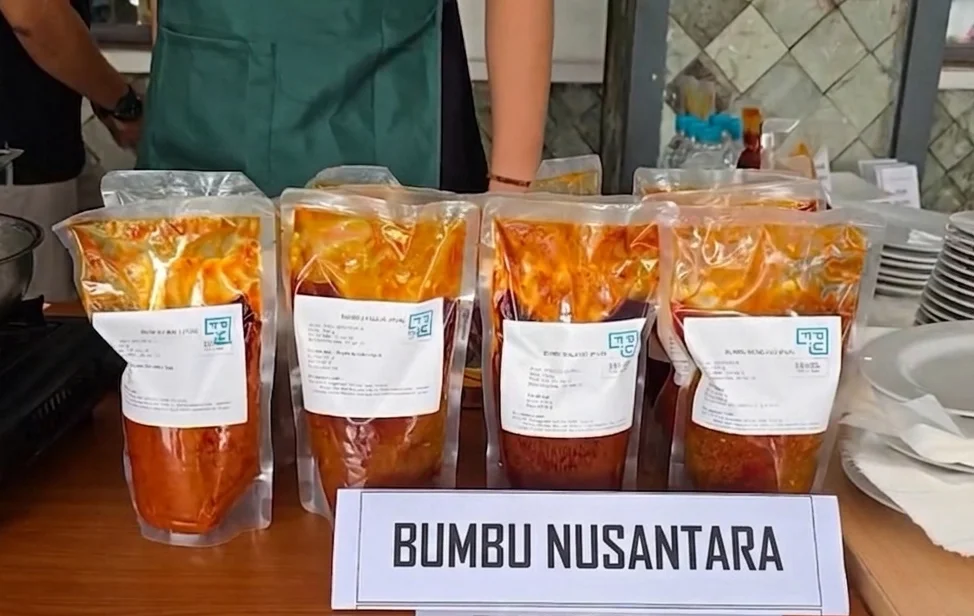
RRI.CO.ID, Jakarta - Indonesia’s Ministry of Hajj and Umrah is encouraging micro, small, and medium enterprises (MSMEs) to join the Hajj and Umrah supply chain to stimulate the national economy. The demand from millions of pilgrims in Saudi Arabia offers local products the chance to expand their reach internationally.
The Directorate General of Hajj and Umrah Economic Ecosystem Development (PE2HU) is collaborating with the Yogyakarta Special Region (DIY) administration to advance this initiative.
The commitment was discussed during a meeting between PE2HU Director General Jaenal Effendi and Yogyakarta Regional Secretary Ni Made Dwi Panti Indrayanti, representing GKR Mangkubumi, in Yogyakarta on Wednesday, July 15, 2026.
| Baca juga: Oil Nears $100 as Markets Hold Steady |
Jaenal emphasized that Hajj and Umrah implementation should not only focus on worship services but also drive economic growth through national business participation.
“We want the Hajj and Umrah economic ecosystem to truly provide a multiplier effect for the national economy. This enormous potential must be an opportunity for Indonesian MSMEs to advance and penetrate the international market,” he said, as quoted on the ministry’s official website.
He noted that the opportunity arises from the high demand for goods and services for pilgrims in Saudi Arabia. Potential MSME products include Indonesian‑flavored cooking spices, ready‑to‑eat foods, hotel supplies such as sandals, soap, and shampoo, and even fabric for batik uniforms.
Jaenal stressed that this potential can only be realized through collaboration between the central government, regional administrations, businesses, associations, and communities, enabling Indonesian products to compete globally.
The Yogyakarta administration expressed its commitment to supporting the initiative by strengthening cross‑sector synergy.
Head of the Yogyakarta Cooperatives and SMEs Agency, Agus Mulyono, said the region has around 340,000 MSMEs, most operating in the micro‑sector. Products such as canned gudeg, chili sauces, wedang uwuh (traditional herbal drink), batik, and handicrafts are considered to have strong potential to meet the needs of Hajj and Umrah pilgrims.
“We also have the SiBakul Jogja platform, which curates MSME products. We hope this platform can be integrated with the national Hajj souvenirs platform, making it easier for Yogyakarta MSME products to reach the Hajj and Umrah market,” Agus said.
The meeting also explored reopening the direct Yogyakarta–Saudi Arabia flight route, which is expected to facilitate pilgrimages, streamline the distribution of MSME products, and increase tourist visits from Saudi Arabia to Yogyakarta.
As a follow‑up, PE2HU invited the Yogyakarta Regional Administration, business leaders, and MSMEs to participate in the Business Matching and International Expo in Jakarta on August 2–3, 2026.
The event will connect Indonesian MSMEs with importers, catering providers, and Saudi Arabian businesses, creating broader trade opportunities and strengthening the Hajj sector’s contribution to national economic growth. ***
News Recomendation
Loading latest news.....