



Nickel Downstream Projects Drive Indonesia’s Regional Growth
- 25 Jul 2026 23:48 WIB
- Voice of Indonesia
Key Points
- Indonesian Minister of Investment Rosan Roeslani highlighted the strategic impact of downstream industrialization on national resilience and local growth on July 25, 2026.
- PT Vale Indonesia reached a major milestone in constructing the USD 2 billion Sambalagi HPAL facility in Central Sulawesi.
- Indonesia's downstream nickel strategy aims to build a robust domestic electric vehicle ecosystem while stimulating regional economies.
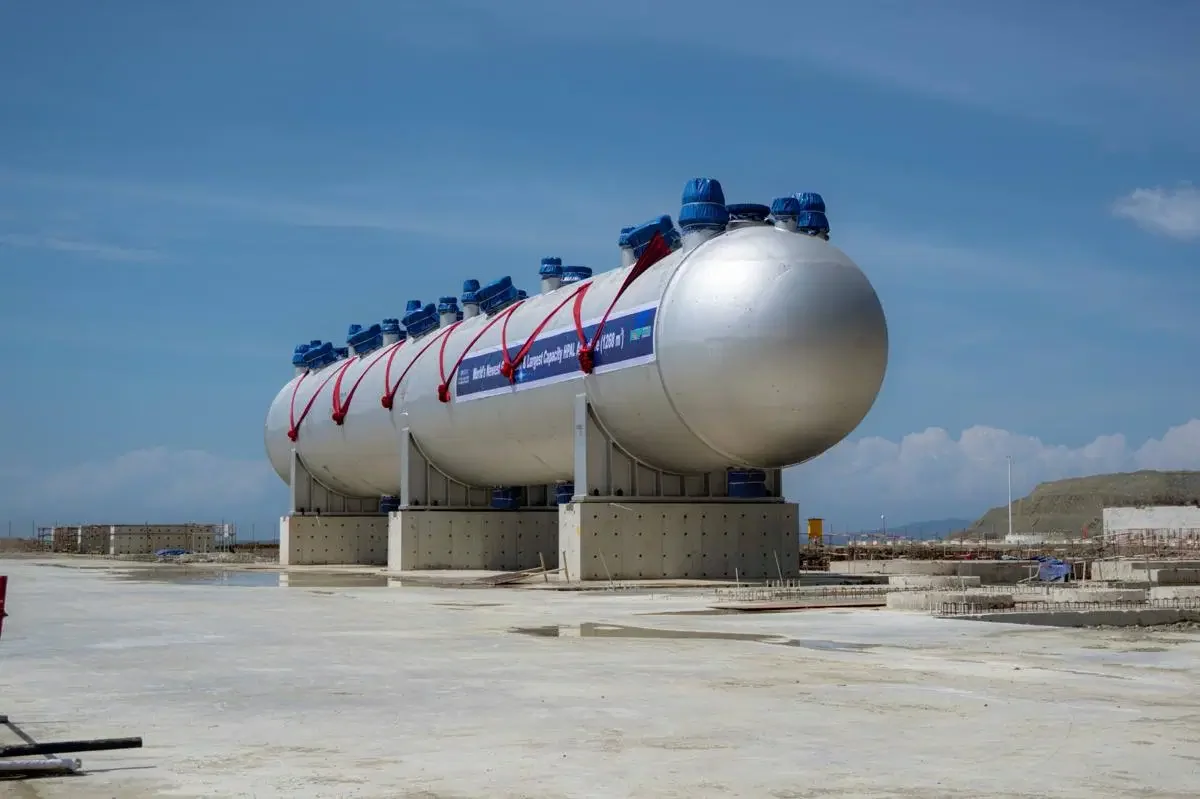
RRI.CO.ID, Jakarta - Indonesia’s downstream industrialization strategy is not only reshaping its role in the global supply chain but also delivering tangible benefits to local economies. Minister of Investment and Downstreaming/Head of the Investment Coordinating Board and CEO of Danantara Indonesia Rosan Roeslani emphasized that projects like Vale’s nickel processing facilities are strengthening both national resilience and regional development.
“Vale’s downstream project sets a new benchmark for international collaboration aligned with national interests, building resource sovereignty, creating jobs, and generating high value that supports the Net Zero Emissions agenda,” Minister Rosan said in Jakarta on Saturday, July 25, as quoted by Antara.
The initiative is closely tied to Indonesia’s ambition to build a national electric vehicle ecosystem, ensuring job creation, industrial independence, and energy transition targets. In Central Sulawesi, where nickel reserves are concentrated, the economic impact is expected to be significant. Beyond large-scale industry, the development of industrial zones is projected to open opportunities for MSMEs and stimulate local community activities.
A key milestone in this effort is the construction of the High Pressure Acid Leaching (HPAL) Sambalagi, Morowali Regency, facility by PT Vale Indonesia, part of MIND ID. With an investment of around USD 2 billion, the project is part of the Indonesia Growth Project (IGP) Morowali and has reached a crucial stage following the arrival of its main autoclave components. Built with three production lines, the facility is targeted to achieve its first mechanical completion by the end of 2026.
By accelerating nickel downstreaming, Indonesia is not only increasing the domestic value of its minerals but also expanding investment, creating jobs, and driving regional economic growth. The strategy underscores how resource-based industries can evolve into engines of innovation and sustainability, positioning Indonesia as a key player in the global electric vehicle supply chain. ***
News Recomendation
Loading latest news.....