



Halal Expo 2026 Highlights Indonesia’s D‑8 Leadership Goals
- 08 Jul 2026 20:56 WIB
- Voice of Indonesia
Key Points
- Indonesia memanfaatkan kepemimpinannya 2026-2027 dalam organisasi D-8 untuk mempromosikan kolaborasi ekonomi halal di antara 9 negara anggota.
- Target ambisius D-8 adalah mencapai perdagangan intra-anggota sebesar USD 500 miliar pada 2030, dengan perdagangan saat ini mencapai USD 150-160 miliar setelah bergabungnya Azerbaijan.
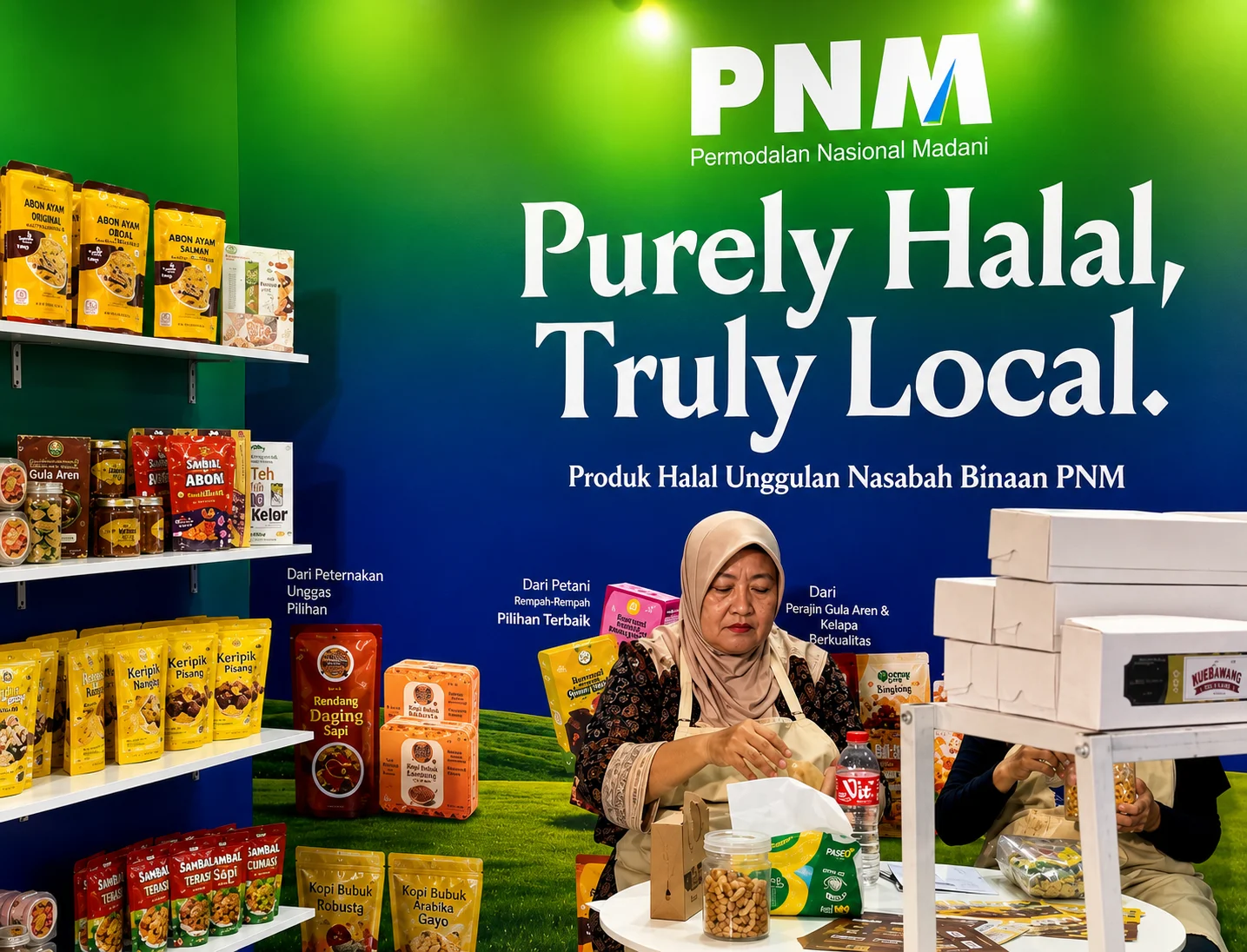
RRI.CO.ID, Jakarta - Indonesia is leveraging its 2026–2027 chairmanship of the Developing Eight (D‑8) economic cooperation organization to promote halal economic collaboration among member countries.
Through the D‑8 Halal Expo Indonesia (HEI) 2026, Indonesia is positioning the group as a leading global halal hub while accelerating efforts to achieve USD 500 billion in intra‑member trade by 2030.
The D‑8, founded in Istanbul on June 15, 1997, brings together Indonesia, Malaysia, Turkey, Iran, Pakistan, Bangladesh, Egypt, Nigeria, and Azerbaijan, which joined as the ninth member in late 2024.
The organization focuses on boosting trade, investment, industry, agriculture, energy, transportation, and food security to strengthen members’ positions in the global economy.
As chair, Indonesia has made halal industry development a strategic agenda to expand trade and investment among members.
Deputy Foreign Minister Anis Matta said Azerbaijan’s entry into the D‑8 has lifted intra‑member trade to USD 150–160 billion. “Since 2020, D‑8 member countries have set a target of achieving USD 500 billion in trade, which, God willing, will be achieved by 2030,” he said at the opening of the D‑8 HEI 2026 in Jakarta on Wednesday, July 8, as quoted by Antara.
Anis added that Indonesia is strengthening trade through cooperation instruments tailored to members’ economies. He expressed hope that the D‑8 Halal Expo Indonesia would become a regular event.
Member countries voiced support for Indonesia’s commitment.
Egyptian Ambassador to Indonesia Yasser Hassan Farag Elshemy said the halal economy has significant potential to drive D‑8 trade. “D‑8 member countries need to intensify efforts to expand the reach of the halal economy in their respective countries,” he said.
Elshemy was optimistic that intra‑member trade could exceed targets if countries accelerate agreement and implementation of free trade deals.
At the expo, Egypt showcased dates, cosmetics, and clothing, hoping to expand its fashion industry into the Indonesian market.
Pakistan Ambassador Zahid Hafeez Chaudhri said his country sent business players from halal sectors ranging from food products made with pink salt to medical and sports equipment.
He emphasized the need for mutual recognition of halal standards and stronger supply chains to compete in the food, pharmaceuticals, cosmetics, and modest fashion sectors.
Palestinian Ambassador Abdalfatah Al‑Sattari announced Palestine’s participation with agricultural, food, and modest fashion products, reflecting its commitment to strengthening cooperation with Indonesia, including in the halal industry.
Halal Product Guarantee Agency (BPJPH) Chairman Haikal Hassan said Muslim‑majority countries should collaborate through the D‑8 to establish their role in the global halal industry. He noted that the largest producers of halal products are currently non‑D‑8 countries such as China, Brazil, and the United States.
D‑8 Secretary General Sohail Mahmood welcomed the expo in a video message, calling it evidence of Indonesia’s strong commitment to advancing the halal economy. He hopes hope the event will catalyze policy coordination and strengthen trade and investment among members.
The D‑8 Halal Expo Indonesia 2026 runs from July 8–12 at Jakarta’s Senayan Indoor Tennis Stadium, featuring products from member countries, business-matching events, panel discussions, and cultural performances. ***
News Recomendation
Loading latest news.....