



House Pushes SME Quotas, Stronger CSR in Industrial Zone Bill
- 29 Jun 2026 16:22 WIB
- Voice of Indonesia
Key Points
- The House of Representatives proposed strengthening protections for SMEs and reinforcing CSR obligations during discussions on the Industrial Zones Bill.
- The benefits of industrial zones must be directly felt by the communities surrounding them.
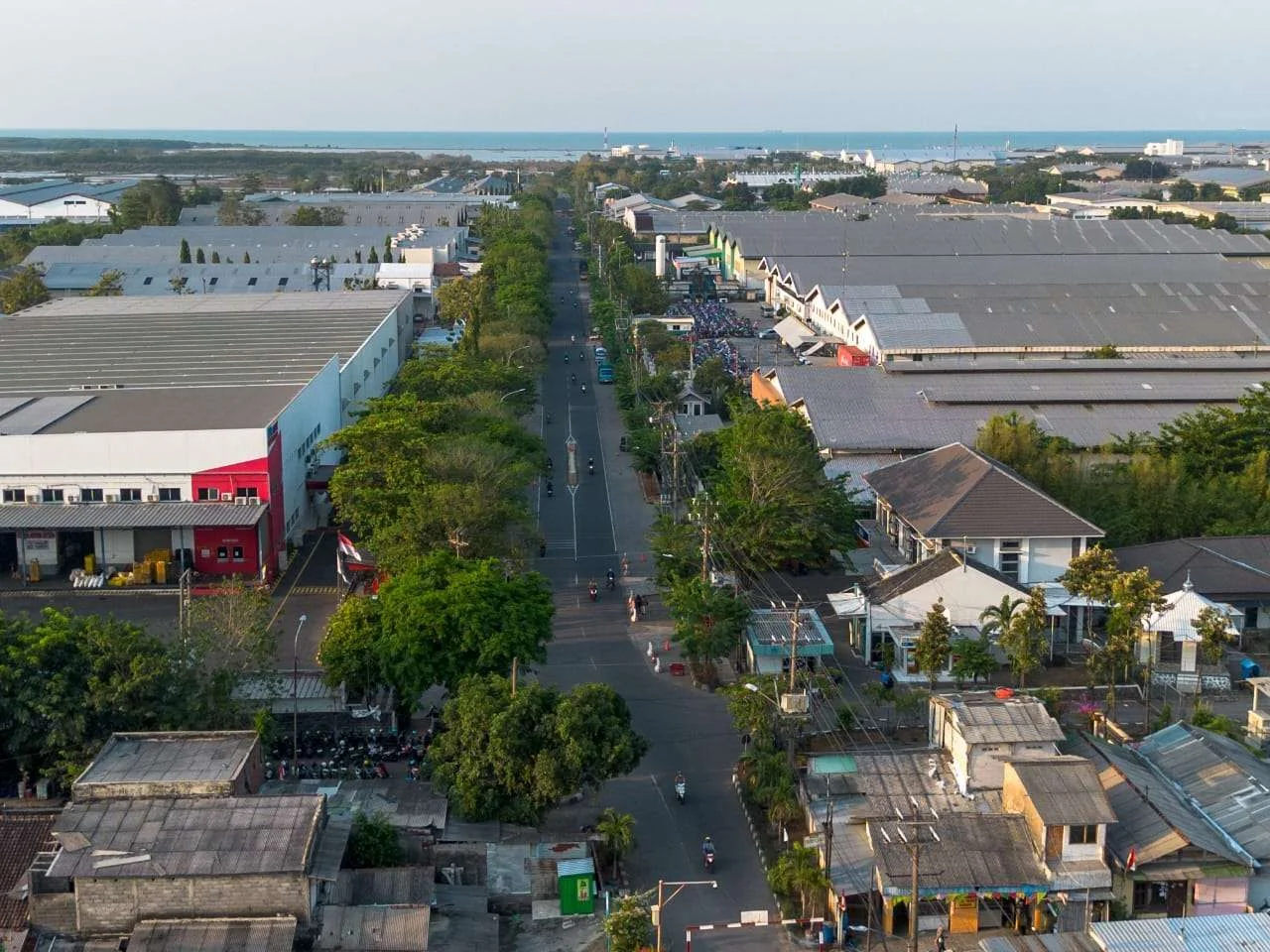
RRI.CO.ID, Jakarta – The Indonesian House of Representatives is urging industrial parks to serve not only as investment hubs but also to provide greater opportunities for small businesses.
Lawmakers emphasized that new regulations must ensure the benefits of industrial parks are felt equally by the business community and the public.
During discussions on the Industrial Parks Bill (RUU), the House’s Commission VII proposed strengthening protections for Small and Medium Enterprises (SMEs) and reinforcing Corporate Social Responsibility (CSR) obligations.
“We are questioning its alignment -- not the clarity of its presentation. Often, the alignment is unclear,” said Commission VII lawmaker Putra Nababan during a meeting of the Working Committee on the Industrial Parks Bill with the Ministry of Industry’s Director General of Industrial Resilience, Regional Development, and International Industrial Access (KPAII) in Jakarta on Monday, June 29, 2026.
Putra noted that the government’s explanation regarding land‑use composition in industrial parks has not provided a clear guarantee for SMEs. He proposed establishing a minimum quota to ensure SMEs are guaranteed space in every industrial park.
“We must ensure that SMEs aren’t simply squeezed into that 85 percent. Perhaps we could create a mandatory minimum quota for SMEs,” he said.
Putra requested that this proposal be included in the Problem Inventory List (DIM) for the Industrial Parks Bill. He stressed that industrial zones must attract investment while strengthening small businesses and promoting economic equality across regions.
He also advocated for stronger CSR regulations so that they do not merely become administrative obligations. “The management of industrial parks must provide tangible benefits for improving people’s welfare through job creation and contributions to the local economy,” he said.
Putra concluded that the benefits of industrial parks must be directly felt by the surrounding communities. “The problem is that, historically, CSR has often been downplayed by corporations,” he said.
Responding to the proposal, Tri Supondy, Director General of the Indonesian Industrial Park Agency (KPAII) at the Ministry of Industry, emphasized that the development of industrial parks must generate social benefits in addition to driving economic growth.
“In addition to being oriented toward economic growth, the development of industrial parks must also benefit the surrounding community,” he said.
Tri explained that community empowerment programs will prioritize residents living near industrial parks by providing job training, supporting business development, and constructing social infrastructure.
“The implementation of these programs is part of the social and environmental responsibility of the zone’s management, and must be reported to both the central government and local administrations,” he said. (Gusti Panji)
News Recomendation
Loading latest news.....