



Indonesia Targets Higher Manufacturing Exports While Protecting Market
- 09 Jun 2026 14:20 WIB
- Voice of Indonesia
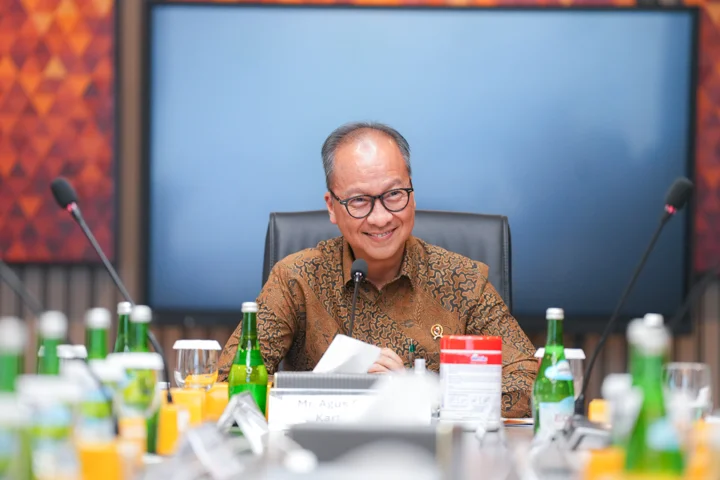
RRI.CO.ID, Jakarta - Indonesia's Minister of Industry, Agus Gumiwang Kartasasmita, has set a target to increase the share of manufacturing product sales for export markets from the current composition of approximately 20 percent exports and 80 percent domestic sales to 30 percent exports and 70 percent domestic sales. He ensured sufficient supply and maintaining the competitiveness of manufactured products in the domestic market.
The target was announced during a working meeting with Commission VII of the House of Representatives (DPR RI) in Jakarta on Monday, June 8, 2026.
“The domestic market remains the primary strength of our national industry. However, moving forward, we need to strengthen export-oriented industries so that Indonesian manufactured products can achieve greater penetration in global markets. Our target is to increase the current composition of around 20 percent exports and 80 percent domestic sales to 30 percent exports and 70 percent domestic sales, without reducing the industry’s ability to meet domestic market demand,” Agus said in an official statement.
According to data from Statistics Indonesia, Indonesia’s economy grew by 5.61 percent in the first quarter of 2026. Within that performance, the manufacturing sector expanded by 5.04 percent and remained the largest contributor to national GDP, accounting for 19.07 percent or Rp1.179 trillion.
From an investment perspective, the manufacturing sector recorded realized investments of Rp182.04 trillion, representing 36.49 percent of total national investment. Meanwhile, exports of manufactured products reached USD75.57 billion between January and April 2026, contributing 82.01 percent of Indonesia’s total exports.
The Minister stressed that efforts to strengthen manufacturing exports must go hand in hand with maintaining the domestic market as the foundation of national industrial growth. The government is continuing to improve industrial competitiveness through fiscal and non-fiscal incentives, measured import controls, and stronger industrial protection measures.
Minister Agus also highlighted the importance of implementing the Local Currency Settlement (LCS) framework to support the resilience of Indonesia’s industrial sector. According to him, the Ministry of Industry had recommended the policy as early as 2023, long before the current pressures on the rupiah exchange rate emerged.
“We actually recommended the use of Local Currency Settlement back in 2023, long before the exchange rate pressures on the rupiah that we are facing today. Expanding the use of local currencies in international trade transactions is an important instrument for reducing exchange-rate risks while increasing transaction efficiency for national industries,” he said.
In addition to strengthening export orientation, the Ministry of Industry remains optimistic that its 2026 performance and budget targets can be achieved through a range of priority programs, including industrial downstreaming, strengthening small and medium industries (SMEs), developing industrial human resources, advancing green industrial transformation, and boosting productivity through innovation and technology.
News Recomendation
Loading latest news.....