



Indonesia Expects 18 Percent U.S. Tariff as Trade Probe Nears Conclusion
- 06 Jun 2026 12:20 WIB
- Voice of Indonesia
Key Points
- Indonesia expects U.S. tariffs on its exports to reach about 18 percent after the completion of a Section 301 trade investigation, following the expiration of a temporary 10 percent tariff on July 24, 2026.
- Indonesian officials say the country is in a relatively favorable position after committing to address forced labor concerns and securing potential tariff exclusions for selected products.
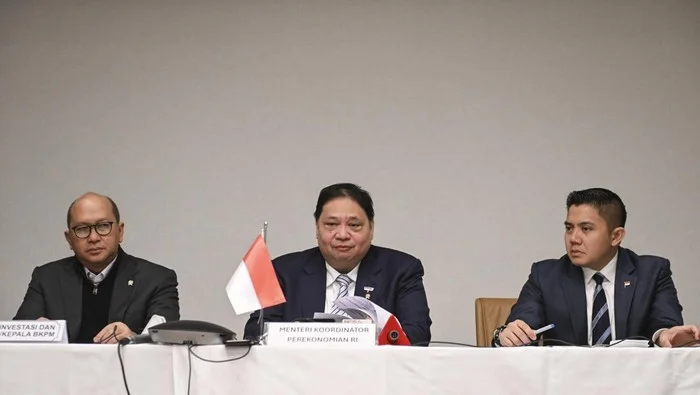
RRI.CO.ID, Jakarta - Indonesia expects U.S. tariffs on its exports to settle at around 18 percent once Washington completes its ongoing Section 301 trade investigation, as both countries continue negotiations over trade measures and product exemptions.
Secretary of Indonesian Coordinating Ministry for Economic Affairs, Susiwijono Moegiarso, said Indonesia is currently subject to a temporary 10 percent tariff that remains in effect until July 24, 2026.
After that period ends, the United States is expected to implement additional tariffs in stages. The first component would be a 10 percent tariff linked to forced labor concerns, followed several weeks later by another tariff component related to structural excess capacity.
Through a stacking mechanism that combines multiple tariff elements while applying agreed exclusions for certain products, Indonesia estimates the final tariff level will reach approximately 18 percent.
"This figure is the target expected at the end of the process, while also ensuring clarity and continuity in its implementation," Susiwijono said, on Saturday, June 6, 2026, as quoted by Antara.
He emphasized, however, that the final tariff rate remains subject to legal and administrative procedures in the United States. U.S. authorities are expected to open an additional public comment period and hold further hearings before the measures are fully implemented.
According to Susiwijono, Indonesia has achieved a relatively favorable position in the preliminary findings of the Section 301 investigation conducted by the Office of the United States Trade Representative (USTR).
The USTR report placed Indonesia among a small group of economies that have submitted commitments related to forced labor issues, a status viewed as more favorable than that of many other trading partners.
The U.S. government has also indicated that certain tariff lines could be exempted under agreements reached with Indonesia. One mechanism currently under discussion involves a special arrangement for the textile sector.
"The resolution of the structural excess capacity component is expected to follow several weeks after the temporary tariff expires on July 24, through a similar process," he said.
Susiwijono added that the Section 301 investigation forms part of a broader framework of bilateral trade cooperation between Indonesia and the United States. Several commitments made under the process are also expected to support Indonesia’s bid to join the Organization for Economic Cooperation and Development (OECD).
Under a USTR document titled Acts, Policies, and Practices of Various Economies Related to the Failure to Impose and Effectively Enforce a Prohibition on the Importation of Goods Produced with Forced Labor, Indonesia was included among six economies considered not to have effectively enforced restrictions on imports produced with forced labor.
The other economies listed were Canada, Ecuador, the European Union, Mexico, and Pakistan.
Based on that assessment, the USTR proposed an additional 10 percent tariff on Indonesian goods. Meanwhile, 54 other economies that were found not to have import bans on goods produced with forced labor could face a higher additional tariff of 12.5 percent.
The investigation covers 60 major U.S. trading partners and is one of the tools used by President Donald Trump’s administration to maintain its trade tariff policies after some previous measures encountered legal challenges in the United States. ***
News Recomendation
Loading latest news.....