



Indonesia Pushes Ceramic Tableware Exports Through Halal Certification
- 15 Mei 2026 23:17 WIB
- Voice of Indonesia
Key Points
- The Ministry of Industry held the “Innovation Assistance and Preparation for Halal Certification of Ceramic Tableware” program in Bandung, West Java, on April 28–30, 2026.
- The government views halal certification as a new strategy to strengthen the competitiveness of Indonesian SMEs’ tableware products in global markets.
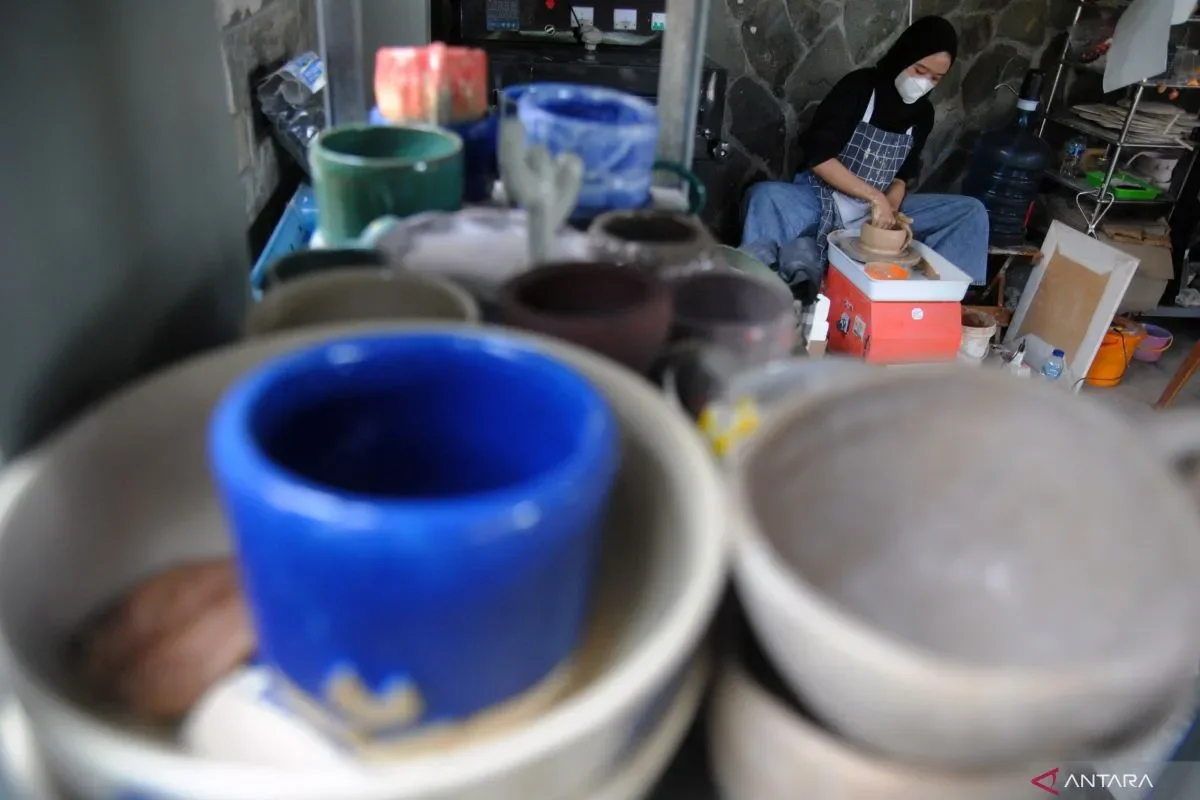
RRI.CO.ID, Jakarta – Indonesia’s ceramics industry is preparing to penetrate the global halal market, with the Ministry of Industry positioning halal certification as a new strategy to strengthen the competitiveness of small and medium-sized enterprises (SMEs) producing tableware.
The Directorate General of Small, Medium, and Miscellaneous Industries (IKMA) organized the “Innovation Assistance and Preparation for Halal Certification of Ceramic Tableware” program in Bandung, West Java, from April 28–30, 2026. Ten ceramic SME operators from Purwakarta, Bandung, Cirebon, and Bogor took part to enhance product readiness for export markets.
Industry Minister Agus Gumiwang Kartasasmita emphasized that strengthening the halal industry is part of Indonesia’s manufacturing transformation toward greater competitiveness and sustainability.
“Strengthening the halal industry not only addresses significant domestic demand but also opens broader export opportunities,” he said in Jakarta on Friday, May 15, as quoted on the Ministry’s official website.
Minister Agus explained that the halal certification policy is based on Government Regulation No. 42/2024, which aims to protect consumers while enhancing the value of national products.
He noted that halal-certified products not only comply with sharia principles but also meet internationally recognized standards of safety, hygiene, health, and quality. “Therefore, SMEs that successfully obtain halal certification can further enhance their quality assurance, which is highly valuable in international markets,” he added.
Director General of IKMA, Reni Yanita, stressed that halal certification is crucial for tableware products because they come into direct contact with food. She said certification could expand export opportunities to the Middle East and ASEAN. “Halal-certified tableware and other household items have the potential to make a positive contribution to export performance, particularly in Muslim-majority countries,” Reni stated.
Ministry data shows that Indonesia’s ceramic tableware exports in 2025 reached USD 12.68 million, with primary destinations including the United States, France, Germany, the Netherlands, and China.
Demand is also rising in Muslim-majority countries, with exports valued at USD 254,000 to the United Arab Emirates, USD 223,000 to Saudi Arabia, USD 108,000 to Malaysia, and USD 17,000 to Brunei Darussalam.
“These achievements demonstrate that Indonesian ceramic tableware products are highly competitive in the global market. Nevertheless, opportunities in the global halal market remain wide open, particularly in majority-Muslim countries,” Reni said. She added that mandatory halal certification could further enhance SME export performance.
Director of Chemical, Textile, and Handicraft SMEs Budi Setiawan highlighted Indonesia’s strengths in local raw materials, artisanal skills, and culturally based designs. “We hope ceramic tableware SMEs can implement product innovations that are not only superior in design but also adhere to the principles of halalan thayyiban (legitimate and good),” he said.
Meanwhile, Lugino Keramik, one of the participating SMEs, hopes that the government will assist with laboratory testing to ensure materials meet quality standards. Such support is considered crucial for sustaining and modernizing the local ceramics industry to make it safer, more standardized, and globally competitive. ***
News Recomendation
Loading latest news.....