



BPS Identifies Electricity Tariffs as Main Factor in February 2026 Inflation
- 03 Mar 2026 09:54 WIB
- Voice of Indonesia
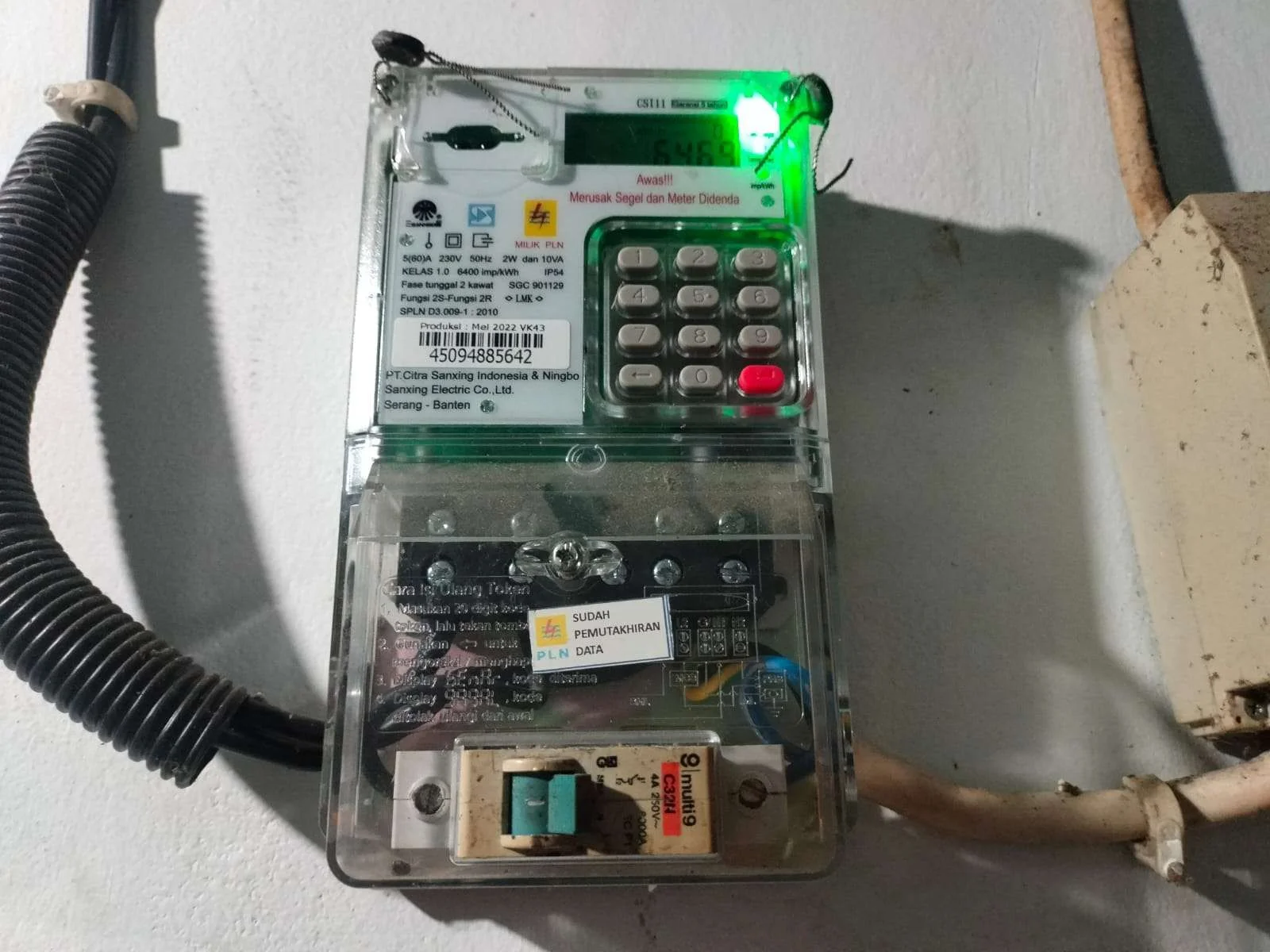
RRI.CO.ID, Jakarta – The Central Bureau of Statistics (BPS) reported that electricity tariffs rose 86.96 percent year-on-year in February 2026, making them the primary driver of inflation and contributing 2.17 percent to the overall rate.
Electricity costs are included in the category of household fuel, water, electricity, and housing expenditures. Compared to the overall inflation of 4.76 percent year-on-year, this group recorded an annual inflation rate of 16.19 percent.
“The housing, water, electricity, and household fuel sector was the main contributor to annual inflation in February 2026, accounting for 2.26 percent,” said BPS Deputy for Distribution and Services Statistics, Ateng Hartono, at a press conference in Jakarta on Monday, March 2, 2026.
He explained that the increase in electricity tariff inflation was due to prices returning to normal following a 50 percent discount offered by the government from January through February 2025.
Other commodities also contributed to inflation in this sector, including drinking water rates, home rental and contract rates, household fuel prices, and non-foreman labor costs.
In contrast, the information, communication, and financial services sector recorded the only annual deflation in February 2026, with a 0.09 percent decrease year-on-year.
Overall, inflation in February 2026 was mainly driven by government-controlled prices, which rose 12.66 percent year-on-year and contributed 2.26 percent to inflation. Electricity tariffs, machine-rolled kretek cigarettes (SKM), and hand-rolled kretek cigarettes (SKT) were the largest contributors in this category.
Coordinating Minister for Economic Affairs Airlangga Hartarto noted that escalating tensions between the United States, Israel, and Iran could threaten global oil supplies. He said Iran’s decision to close the Strait of Hormuz, a vital oil transit hub, has severely disrupted global energy trade flows.
“The oil supply will undoubtedly be affected if the Strait of Hormuz remains disrupted. The Red Sea is another example of how conflicts can impact energy routes. We will see how long this situation lasts,” Minister Airlangga said.
He added that the government is preparing for possible energy supply disruptions by securing import sources outside the Middle East as a preventive measure. International cooperation is also being pursued to ensure supply security, including a partnership between state-owned energy giant Pertamina and a US oil and gas company. (Misni Parjiati/Lasti Martina)
News Recomendation
Loading latest news.....