



Key Points
- Indonesia is developing bio-CNG from palm oil mill effluent to maximize domestic resources and meet the need for cleaner, more sustainable energy.
- North Sumatra, as one of Indonesia’s major palm oil hubs, hosts 327 plantation companies and 237 mills that could supply feedstock for bio-CNG development.
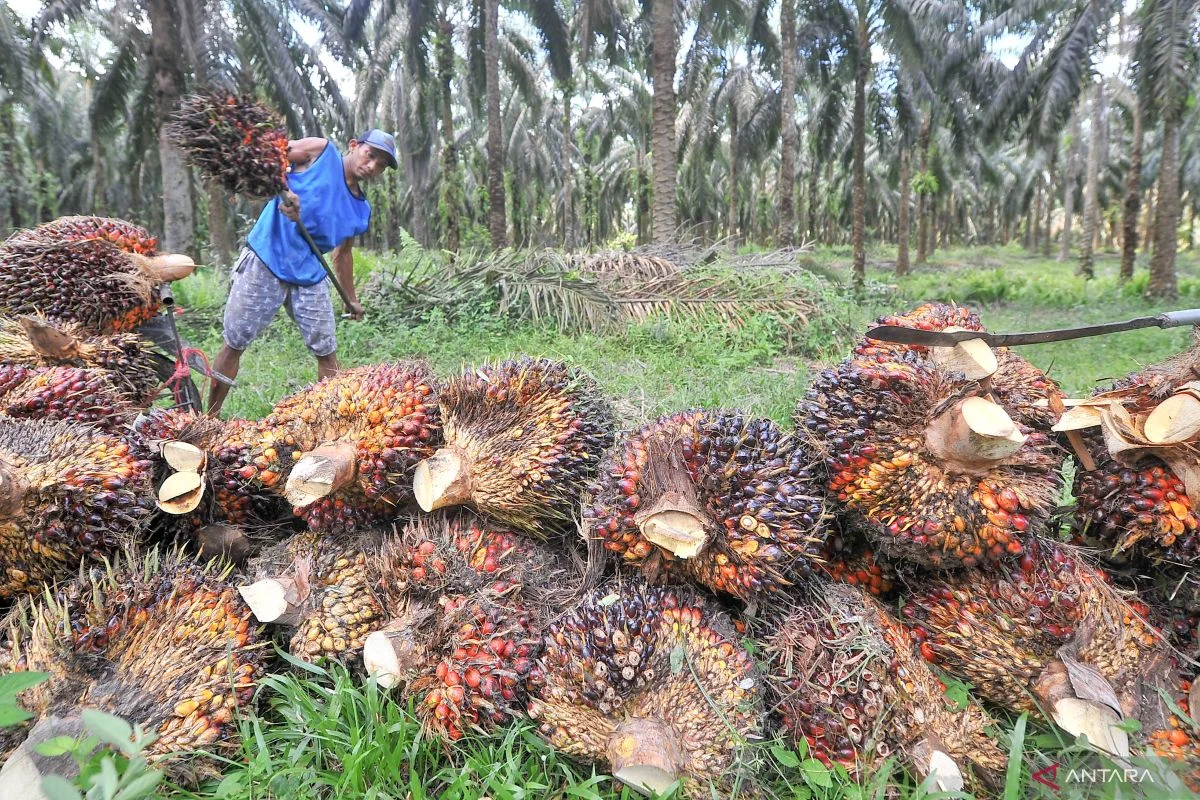
RRI.CO.ID, Jakarta - Indonesia is accelerating the use of green energy by converting palm oil waste into low‑carbon fuel. This initiative is projected to strengthen national energy security while supporting the energy transition and emission reduction targets.
PT PLN Energi Primer Indonesia (PLN EPI), a subsidiary of state‑owned electricity company PLN, is developing bio‑compressed natural gas (bio‑CNG) from palm oil mill effluent (POME). The program is part of efforts to maximize domestic resources to meet the demand for cleaner and more sustainable energy.
“PLN EPI continues to promote the utilization of palm oil waste as a value‑added energy source,” said PLN EPI’s Director of Biomass, Hokkop Situngkir, during a dissemination event on biomethane development in Medan, North Sumatra, held in Jakarta on Monday, June 8, 2026, as reported by Antara.
Hokkop explained that processing POME into biomethane and purifying it into bio‑CNG can support the electricity sector’s energy needs. The program is also part of a decarbonization strategy and efforts to strengthen national energy security through domestic resources.
North Sumatra is considered significant in the development of bio‑CNG as one of Indonesia’s major palm oil hubs. Data from the Central Bureau of Statistics (BPS) shows that the province hosts 327 palm oil plantation companies and 237 palm oil mills that could serve as suppliers of biomethane feedstock.
PLN EPI has partnered with PT KIS Biofuels Indonesia to develop technology for processing palm oil mill effluent into bio‑CNG. The planned output is intended to meet the energy needs of the 1,184 MW Belawan Combined Cycle Power Plant, which contributes about 30 percent of the electricity supply to the northern Sumatra grid.
“We see significant opportunities to expand the use of bio‑CNG. Therefore, PLN EPI continues to explore collaboration with palm oil mills so that waste, which has not been optimally utilized until now, can be transformed into clean energy with economic value,” Hokkop said.
He added that using biomethane not only reduces dependence on fossil fuels but also creates new economic value for the palm oil industry. “This step demonstrates that the energy transition can proceed hand in hand with the creation of economic value, emission reduction, and improved community well‑being,” he said. ***
News Recomendation
Loading latest news.....