



Deputy Minister Pushes Transmigration Products Toward Global Export
- 24 Jan 2026 03:00 WIB
- Voice of Indonesia
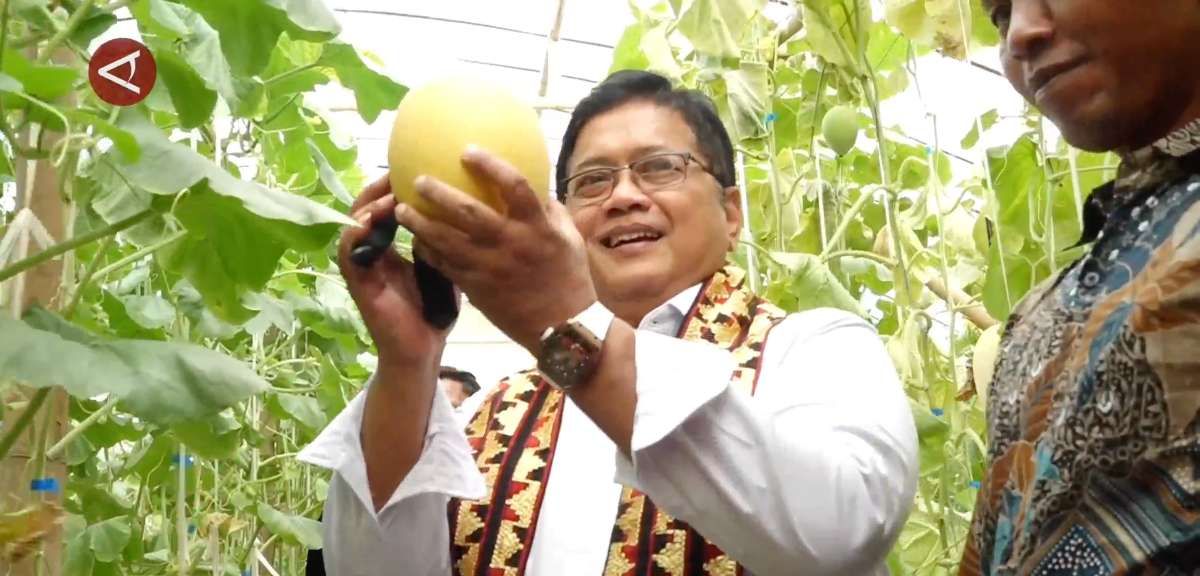
RRI.CO.ID, Mesuji - Indonesia’s Ministry of Transmigration is setting its sights on the global market, aiming to transform commodities from transmigration zones into internationally competitive export products.
During a grand melon harvest in Mesuji on Friday, January 23, 2026, Deputy Minister Viva Yoga Mauladi stressed that these areas are no longer merely resettlement sites but have evolved into high-productivity economic hubs capable of competing worldwide.
“The transmigration program, from the era of President Soekarno to President Prabowo Subianto, has produced 1,567 definitive villages, 466 sub-districts, and 116 regencies and cities,” Viva said at the harvest event in Tanjung Menang Raya Village, Mesuji Regency, Lampung Province, on January 23, 2026, as quoted by Antara.
He emphasized that the program has left a lasting administrative and economic footprint across the archipelago. What began as resettlement initiatives has expanded into a network of villages, subdistricts, and regencies that now serve as vital centers of governance, service delivery, and regional development.
Currently, Indonesia has 154 active transmigration zones, each cultivating distinctive commodities suited to their soil and climate. Yet, one of the main challenges for farmers remains market certainty.
To address this, the Ministry has signed Memorandums of Understanding with private off-takers, partners who guarantee the purchase of harvests.
In Mesuji, where melons, bananas, and cassava thrive, the Ministry has partnered with major retailers such as Krisna Bali to ensure these products reach premium shelves. This initiative is designed to secure sustainable income for transmigrant farmers by linking them directly to established retail networks.
Looking ahead, the Ministry plans to move beyond raw agricultural sales toward industrial downstreaming (hilirisasi). By attracting investors to build processing facilities within transmigration zones, the government hopes to generate a “trickle-down effect” that strengthens local economies. “We want a collaborative approach with investors who will invest their capital in the region, creating a trickle-down effect for the people’s economy,” Viva explained.
Despite its challenging peatlands and dry soil, Mesuji has emerged as the third-largest contributor to food security in Lampung Province.
Regent Elfianah highlighted the region’s agricultural strength, noting that Mesuji manages 29,167.8 hectares of paddy fields with an average productivity of 5.1 tons per hectare.
The regency also maintains a cropping index of 1.7, indicating that the land supports nearly 2 harvests annually. This intensive land use has been key to Mesuji’s rise as a major food producer in the province.
To further boost productivity, the Ministry has pledged additional support in 2026, including infrastructure development, clean water facilities, and the renovation of public utilities. The goal is to accelerate Mesuji’s transformation from a former forest area into a modernized hub of economic growth. ***
News Recomendation
Loading latest news.....