



Indonesian Blue Economy Prioritizes Ocean Preservation: Govt
- 02 Des 2025 17:37 WIB
- Voice of Indonesia
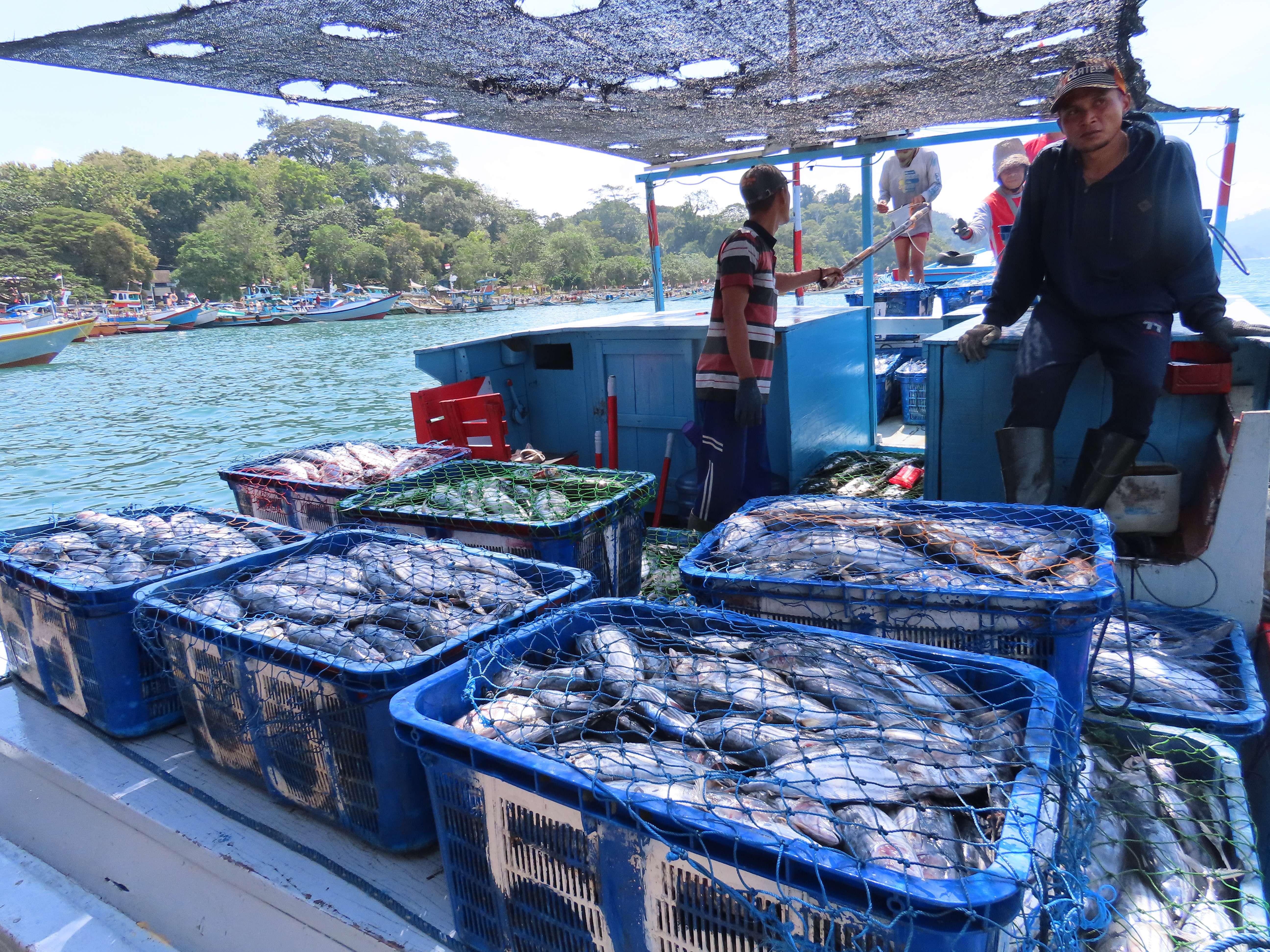
KBRN, Jakarta: The Ministry of Marine Affairs and Fisheries is sharpening Indonesia’s blue economy direction by placing marine conservation at the center of national maritime development. The approach, officials say, is directly linked to human health, food security, and long-term energy security.
Marine Affairs and Fisheries Minister Sakti Wahyu Trenggono reiterated the dependence of daily life on the sea as the primary source of basic needs. He warned that damage to the marine ecosystem would pose a direct threat to human survival.
“We often forget that almost all of our needs, from food to water, come from the sea. If the sea is damaged, it is a direct threat to humans,” Trenggono said in Jakarta on Tuesday, December 2, 2025, as quoted by Antara.
Trenggono explained that Indonesia’s complex marine ecosystem, home to billions of organisms, is under increasing pressure from fishing activities, dense maritime shipping routes, and offshore oil and gas exploitation.
“If we look at the map of ship activities, our seascape has almost no breathing space, which is a sign that the sea is becoming unhealthy,” he said, adding that uncontrolled use of marine space risks accelerating the degradation of strategic ecosystems.
In response, the ministry is promoting five core blue economy policies to regulate the sustainable use of the sea.
These include expanding marine conservation areas, implementing quota-based managed fishing, developing sustainable aquaculture, managing coastal zones and small islands, and reducing marine plastic waste.
Minister Trenggono cited the success of sea turtle conservation in Cenderawasih Bay, Papua, as proof that proper marine management can save ecosystems while boosting economic benefits for coastal communities.
On the ground, however, challenges remain. These include compliance with the use of the Vessel Monitoring System (VMS) or Automatic Identification System (AIS) on fishing vessels, as well as short-term economic pressures faced by coastal communities.
“Many people only think about today’s meals, not ecology. It’s not their fault. Our job is to ensure they can prosper without damaging the sea,” Minister Trenggono said, emphasizing the need for assistance and incentive schemes so that stricter marine management regulations do not disadvantage fishermen.
He also reported on the achievements of the Kampung Nelayan Merah Putih (Red and White Fishermen’s Village) program, which has increased fishermen’s productivity by more than 120 percent. The program has now expanded to 100 locations, with a long-term target of reaching 1,000 to 4,000 villages across Indonesia.
Minister Trenggono stressed that Indonesia’s seas are not only a national asset but also a pivotal element in global climate balance. “Protecting them means protecting the future of humanity,” he said.
He further emphasized that blue economy transformation is Indonesia’s strategic agenda to respond to environmental pressures and global challenges.
“With the second-longest coastline in the world and extraordinary biodiversity, Indonesia is in a key position to lead the direction of sustainable marine development,” he added.
To accelerate this momentum, the ministry, in collaboration with the Blue Ocean Strategy Fellowship 2025, held a business forum themed “Unlocking the Blue Economy for Sustainable Marine Ecosystems.”
The forum brought together business leaders, regulators, academics, and innovators from sectors including fisheries, agribusiness, digital technology, energy, logistics, and the creative industries. ***
News Recomendation
Loading latest news.....