



Indonesia’s Trade Surplus Soars as Non-Oil Exports Lead the Charge
- 06 Sep 2025 18:00 WIB
- Voice of Indonesia
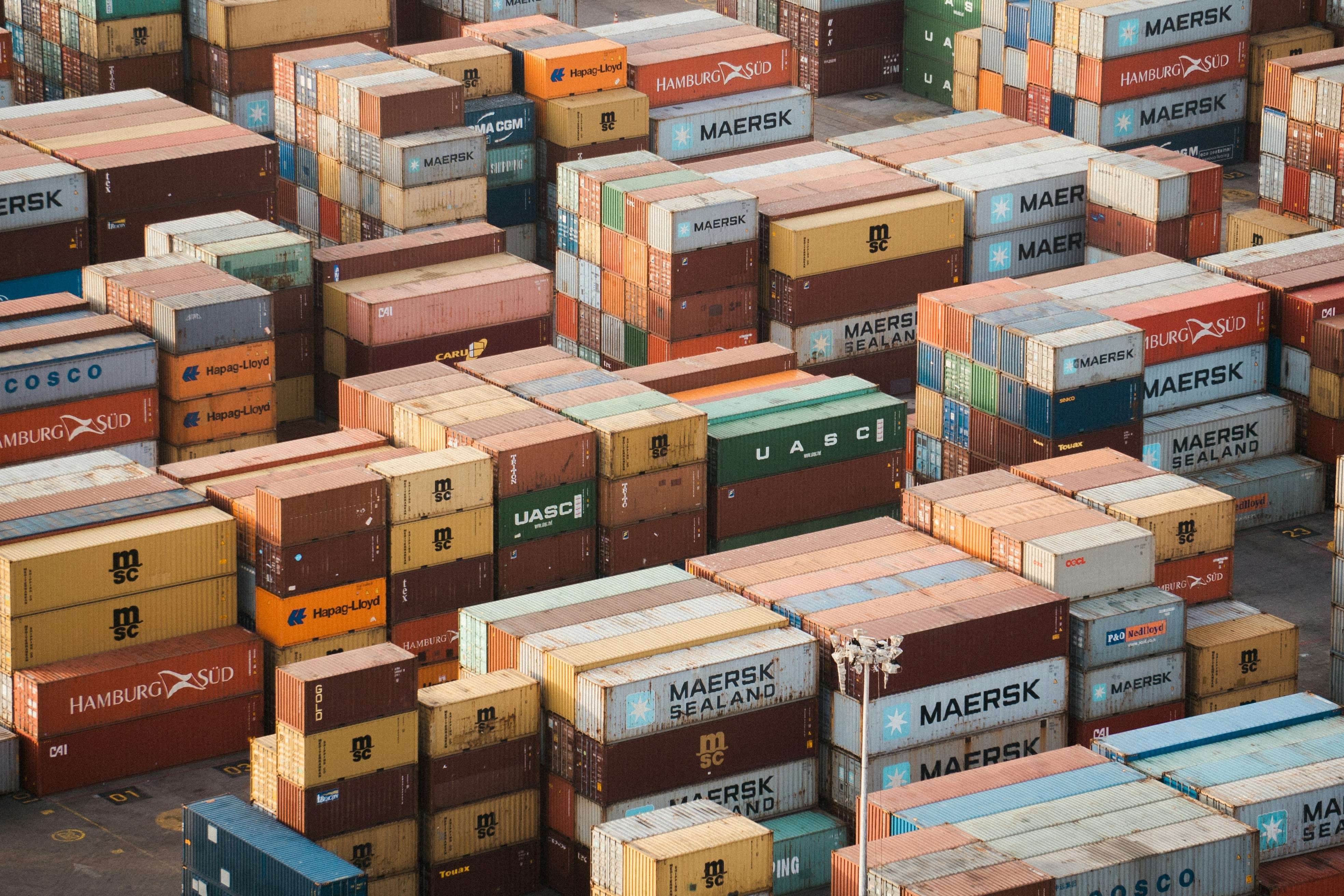
KBRN, Jakarta: Indonesia’s trade sector is showing remarkable resilience in 2025, with the country posting a cumulative surplus of USD 23.65 billion between January and July, a sharp increase from the USD 16.25 billion recorded during the same period last year.
The surge reflects the growing strength of non-oil and gas exports, which have become the backbone of the nation’s trade performance.
Trade Minister Budi Santoso attributed the strong performance to a surge in non-oil and gas exports, which reached a surplus of USD 34.06 billion, up from USD 28.49 billion in 2024.
“For the July 2025 trade period, Indonesia recorded a consistently high surplus of $4.17 billion. This achievement marks the continuation of a 63-month surplus streak since May 2020,” Santoso said in an official statement released Wednesday, September 3, as reported by www.kemendag.go.id.
The United States, India, and the Philippines emerged as key trade partners, contributing USD 12.13 billion, USD 8.13 billion, and USD 5.07 billion respectively to the non-oil and gas surplus. July’s monthly surplus of USD 4.17 billion slightly edged out June’s USD 4.10 billion, reinforcing Indonesia’s steady upward trajectory.
From January to July, Indonesia’s total exports reached USD 160.16 billion, reflecting an 8.03 percent year-on-year increase.
Non-oil and gas exports grew 9.55 percent to USD 152.20 billion, with the manufacturing sector leading the charge, accounting for over 84 percent of the total. Mining and agriculture followed, contributing 13.21 percent and 2.60 percent respectively.
Agricultural exports saw a dramatic 43.62 percent rise, driven by global demand for coffee, coconut, and betel nut.
Processed industrial goods also climbed 17.40 percent, while mining exports declined by 25.65 percent.
Santoso highlighted standout commodities: “The three leading non-oil and gas export commodities with the highest growth were cocoa and its derivatives (HS 18), which soared 108.39 percent; coffee, tea, and spices (HS 09) at 69.93 percent; and aluminum and its products (HS 76) at 68.57 percent.”
China, the U.S., and India remained Indonesia’s top export destinations, accounting for 41.53 percent of non-oil and gas exports.
But emerging markets showed impressive growth: exports to Switzerland surged 147.12 percent, Egypt rose 48.31 percent, and Thailand climbed 40.81 percent. Central Asia led regional growth with an 81.22 percent increase, followed by West Africa at 67.16 percent and East Africa at 53.42 percent.
In July alone, exports hit USD 24.75 billion, up 5.60 percent from June and 9.86 percent higher than July 2024. Non-oil and gas exports rose 12.83 percent year-on-year, offsetting a 34.13 percent drop in oil and gas shipments.
Cocoa products, mechanical equipment, and wood goods led the monthly growth. “The increase in cocoa and its derivatives was mainly driven by high global demand for cocoa butter and cocoa powder,” Minister Budi explained.
On the import side, Indonesia recorded USD 136.51 billion in total imports from January to July, a 3.41 percent increase over the previous year.
Non-oil and gas imports rose 6.97 percent to USD 118.13 billion, fueled by a 20.56 percent jump in capital goods such as CPUs, electric vehicles, ship navigation tools, signal receivers, and smartphones.
Raw materials dominated the import structure, making up 71 percent of total imports, followed by capital goods at 20.05 percent and consumer goods at 8.94 percent.
Imports of raw materials like gold bullion, cocoa beans, sulfur, and naphtha saw notable increases, while consumer goods imports declined, particularly diesel fuel, air conditioners, garlic, non-dairy creamer, and pears.
Minister Budi pointed to the rise in capital goods as a sign of industrial investment. “Some of the factors behind the increase in capital goods imports include higher imports of central processing units (CPUs), electric vehicles, ship navigation equipment, signal receivers, and smartphones,” he said.
Non-oil and gas imports saw sharp increases in cocoa and its derivatives (up 148.22 percent), precious metals and jewelry (87.67 percent), and materials like salt, sulfur, stone, and cement (69.16 percent).
China, Japan, and the U.S. remained Indonesia’s top sources of non-oil and gas imports, contributing over half of the total. Ecuador, the UAE, and Canada posted the highest growth rates among import partners.
Indonesia’s July import value reached USD 20.58 billion, up 6.43 percent from June but down 5.86 percent compared to July 2024. Non-oil and gas imports stood at USD 18.06 billion, while oil and gas imports totaled USD 2.51 billion.
With exports expanding into new markets and capital goods imports signaling industrial growth, Indonesia’s trade outlook remains optimistic. The country’s ability to adapt and diversify its trade portfolio continues to be a key driver of its economic resilience. ***
News Recomendation
Loading latest news.....