



Young People Encouraged to Drive Batik Industry Development
- 03 Okt 2026 20:48 WIB
- Voice of Indonesia
Key Points
- Young people can contribute to the batik industry through creativity, technology, design, digital marketing, environmental management, and cultural communication.
- Batik exports rose 32.5 percent in 2025 to USD 20.14 million, highlighting the industry's growing economic potential.
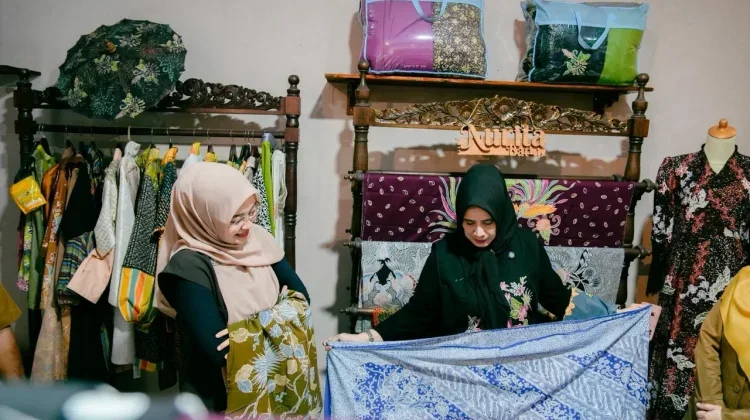
RRI.CO.ID, Surabaya – Deputy Minister of Industry Faisol Riza said young people have ample opportunities to contribute to Indonesia's batik industry through creativity, technology, design, digital marketing, environmental management, and cultural communication.
According to Faisol, the batik industry is closely linked to Indonesia's cultural identity while also offering significant economic potential. Strengthening the industry, therefore, not only helps preserve cultural heritage but also supports artisans and business players in adapting to changing market demands.
"Preservation efforts must go hand in hand with development initiatives. This is essential to ensure that batik artisans can survive and thrive," Faisol said during a community engagement event titled "Make Your Move: Your Journey to the Future of Industry," part of the Industrial Festival x National Batik Day 2026 series in Surabaya, as quoted on Saturday.
Faisol said the non-oil and gas manufacturing industry grew 5.32 percent year-on-year in the second quarter of 2026, exceeding the national economic growth rate of 5.29 percent.
During the same period, the non-oil and gas manufacturing industry contributed the largest share of economic growth at 0.97 percent. The figures highlight the sector's important role in generating added value, creating jobs, and producing economically valuable goods.
The batik industry's economic potential is also reflected in its export performance. According to the Ministry of Industry, batik exports rose 32.50 percent in 2025 to USD 20.14 million compared with 2024.
"When we talk about a stronger batik industry, we are talking about the entire product journey, from artisans' ideas and skills, production processes, quality, and storytelling to the experience of those who buy and wear batik," Faisol said.
He added that sustaining the batik industry requires generational renewal. In this context, young people can contribute through creativity, technology, design, digital marketing, environmental management, and cultural communication.
As an example, he pointed to collaboration between artisans and university students. Artisans can work with young people skilled in photography, writing, digital catalog development, and e-commerce marketing.
"When these groups come together, they create a strong collaboration. This can become a concrete form of contribution from young people, particularly Gen Z," Faisol said.
Beyond marketing, young people can also help advance production technology. Skills in content creation, data analysis, and community building can help businesses present engaging information and strengthen market communication.
Opportunities for innovation also exist in developing product designs that meet public needs. Batik can be adapted for various activities, from studying and working to attending events and everyday use, while respecting the origins and meanings of its motifs.
Sustainability is another important aspect of batik industry development. Environmentally conscious young people can help identify more responsible ways to use water and materials while meeting business needs. (Misni Parjiati)
News Recomendation
Loading latest news.....