



Berau Seeks National Status for Bekudung Betiung Festival
- 02 Jul 2026 11:52 WIB
- Voice of Indonesia
Key Points
- Berau is proposing the Bekudung Betiung Festival for the national KEN tourism calendar.
- The festival preserves the traditions of the Dayak Ga'ai community through sacred rituals and cultural performances.
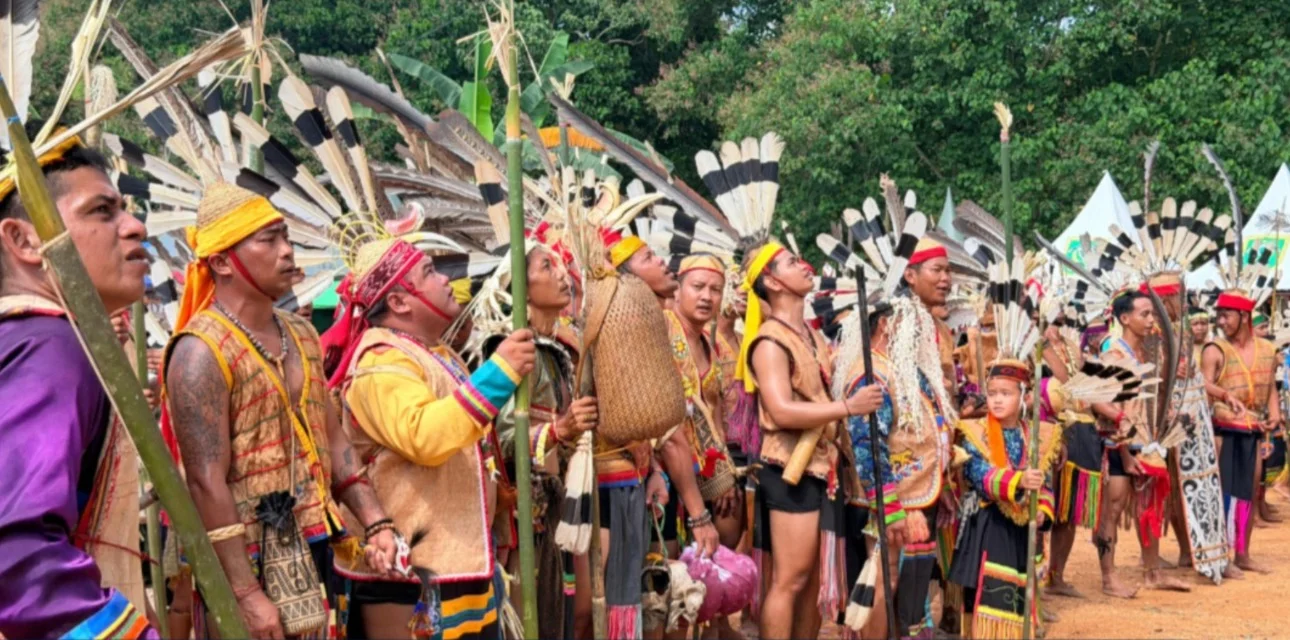
RRI.CO.ID, Berau - The Berau Regency Administration, in a coordinated effort with the East Kalimantan Provincial Administration, has announced a joint commitment to elevate the ancient Bekudung Betiung Cultural Festival into the national tourism spotlight. The administration is officially backing the festival for inclusion in the prestigious Karisma Event Nusantara (KEN), the Ministry of Tourism’s curated calendar of Indonesia's top national events.
The annual celebration, anchored in Tumbit Dayak Village within the Sambaliung Subdistrict, is considered uniquely primed for national competition due to its status as a vital preservation hub for the Dayak Ga'ai indigenous community, one of the largest intact Dayak Ga'ai lineages in East Kalimantan (Benua Etam).
"This activity is expected to not only become an annual tourism event in East Kalimantan but also be recognized nationally as part of the Karisma Event Nusantara (KEN)," Berau Deputy Regent Gamalis said on Wednesday, July 1, 2026, arguing that the festival's deep ethnographic value has long surpassed localized tourism metrics, as quoted by Antara.
Traditionally held every year at the end of June, the latest iteration of the festival ran from June 24 to June 30, 2026. Centered around the iconic Rumah Sunta (the official Dayak Ga'ai Customary Hall), the week-long event seamlessly blended ancient, closely guarded spiritual rituals with regional sports tournaments, cultural parades, and grassroots folk art performances.
The core cultural program of the Bekudung Betiung festival features four distinct, highly sacred milestones that define the week-long celebration. The festivities begin with the Jal Gai, a striking and colossal opening ceremony consisting of synchronized traditional chants and ritualistic welcoming dances designed to greet arriving state dignitaries and symbolize the opening of the festival gates.
Following the opening, the community observes the Bekudung, which serves as the absolute peak of the spiritual calendar and features an esoteric, customary communal feeding ritual meant to offer deep, collective gratitude for a bountiful upland rice harvest. Another critical milestone is the Betiung and Beiiak, a strict rites-of-passage ceremony focused on the spiritual purification and customary coronation of local adolescents to mark their formal transition into adult tribal society.
Finally, the program includes the Head of Tug House Visit, a formal and deeply respectful pilgrimage where the community marches to the ancestral homes of local customary elders to preserve communal solidarity and seek institutional blessings.
Village Head of Tumbit Dayak, Muksin, underscored that the practices carry dense philosophical weight that must be shielded from modernization.
"Bekudung translates to the ultimate expression of post-harvest gratitude, while Betiung represents the molding of adulthood," Muksin explained. "This festival is not merely a ceremony, but rather an ancestral legacy to ensure the Dayak Ga'ai customs remain alive and not be lost over time."
The grand closing ceremony coincided with the historic 263rd anniversary of Tumbit Dayak Village, an extraordinary timeline that makes the settlement centuries older than the administrative establishment of Berau Regency itself.
The closing ceremonies were presided over by East Kalimantan Deputy Governor Seno Aji, who highly lauded the village's cultural resilience. The finale featured an expressive contemporary dance from the Tumbit Dayak Art Studio, culminating in Deputy Governor Seno Aji joining the indigenous community on the dance floor and officially signing a formal Cultural Commitment Wall to protect the area's ancestral lands.
Seno Aji also used the heavy community turnout to promote the provincial government's newest social safety net initiatives, specifically highlighting the launch of a free Single Tuition Fee (UKT) scholarship program covering undergraduate, master's, and doctoral degrees for qualified regional youths.
Concluding his address, the Deputy Governor reminded attendees that as East Kalimantan transforms into a diverse miniature of Indonesia, maintaining absolute social harmony and public order is paramount. He emphasized that regional stability remains the single most effective tool to draw high-value green investments into rural sectors, ultimately driving up the welfare of remote indigenous communities across the province. ***
News Recomendation
Loading latest news.....