



Having 1,340 Ethnic Groups, UNESCO Elects Indonesia to be a Committee
- 20 Jun 2026 06:00 WIB
- Voice of Indonesia
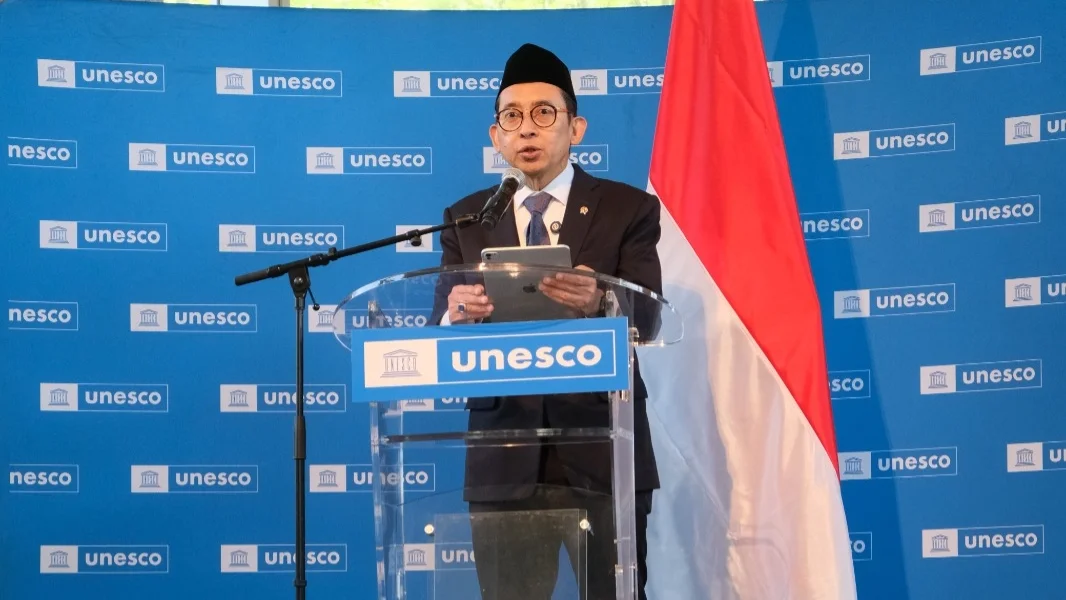
RRI.CO.ID, Jakarta - Indonesia has been elected to the UNESCO Intergovernmental Committee for the Safeguarding of the Intangible Cultural Heritage for the 2026–2030 term, marking a significant milestone in the country’s cultural diplomacy and global engagement.
The election took place during the 11th General Assembly of States Parties to the 2003 UNESCO Convention, held on June 17–18 at UNESCO Headquarters in Paris. Indonesia secured 113 votes and was elected alongside Japan, the Philippines, and Cambodia to represent the Asia-Pacific region.
Minister of Culture Fadli Zon, welcomed the result, describing it as both an honor and a responsibility. He noted that the election reflects growing international confidence in Indonesia’s vision and commitment to safeguarding cultural heritage.
“Indonesia is deeply honored to return to the UNESCO Intangible Cultural Heritage Committee after twelve years. This mandate demonstrates the international community’s trust in Indonesia’s contribution to protecting the world’s living heritage,” he said.
According to the minister, Indonesia’s election highlights not only the country’s rich cultural diversity but also its capacity to contribute to a more inclusive, sustainable, and community-centered approach to global cultural governance. He emphasized that cultural heritage should be viewed as a living resource that continues to evolve through the participation of local communities.
Indonesia campaigned under the platform “Living Heritage, Shared Future,” which promotes the idea that cultural heritage is not merely a legacy of the past but a dynamic force that connects generations and strengthens social resilience. The platform places communities at the center of safeguarding efforts while encouraging innovation, inclusivity, and international cooperation.
As a member of the committee, Indonesia has pledged to advance several priorities, including digital innovation for heritage preservation, stronger international cooperation, protection of endangered cultural traditions, broader participation of civil society, and policies addressing the impact of artificial intelligence and climate change on cultural heritage.
“Indonesia believes that cultural heritage can serve as a bridge for dialogue, peace, and resilience in the face of today’s global challenges,” Fadli said. He added that Indonesia would actively promote community-based safeguarding, youth participation, and more equitable access to international assistance, particularly for developing and island nations.
Home to more than 1,340 ethnic groups, 718 local languages, and thousands of recognized cultural traditions, Indonesia is one of the world’s most culturally diverse countries. It also has 16 cultural elements inscribed on UNESCO’s Intangible Cultural Heritage list, including Wayang, Batik, Angklung, Pencak Silat, Gamelan, Jamu, Reog Ponorogo, Kebaya, and Kolintang.
Fadli said Indonesia is committed to carrying out its mandate in a constructive and collaborative manner. Through its role on the committee, the country aims to strengthen global cooperation, promote knowledge sharing, and ensure that cultural heritage continues to contribute to social cohesion, intercultural dialogue, peace, and sustainable development worldwide.
News Recomendation
Loading latest news.....