



Indonesia Promotes Keris Heritage to Strengthen Cultural Identity
- 19 Apr 2026 12:54 WIB
- Voice of Indonesia
Key Points
- Indonesia promotes keris heritage through a major exhibition in Surakarta to strengthen cultural identity and its UNESCO-recognized status.
- The government encourages cross-sector collaboration and integration with modern industries to support cultural preservation and the creative economy.
- Future plans include a keris exchange, digitalization, and youth engagement to ensure sustainable development of Indonesia’s cultural ecosystem.
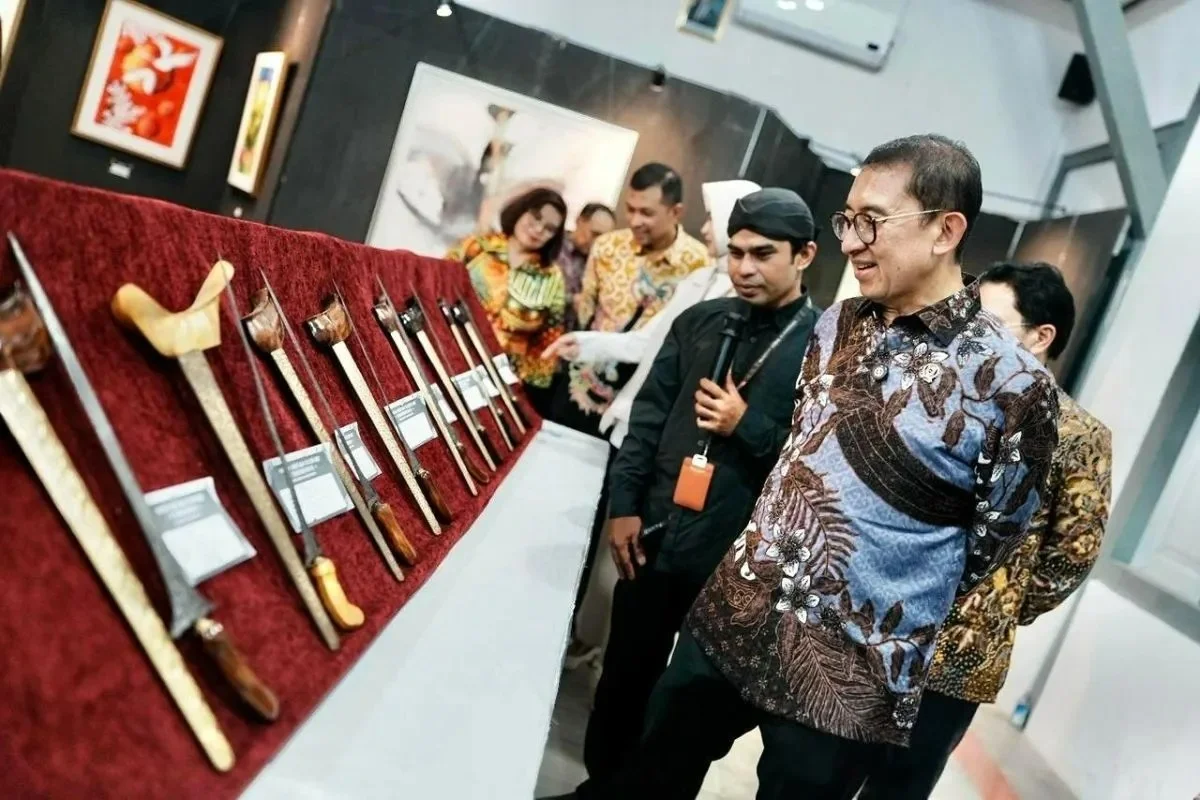
RRI.CO.ID, Jakarta - Indonesia’s rich cultural heritage took center stage at the Solo Arts and Culture Exhibition, where the keris -- a traditional dagger recognized by UNESCO as an intangible cultural treasure -- was showcased as a symbol of national identity and civilizational pride.
Minister of Culture Fadli Zon welcomed the exhibition as a vital step in advancing cultural preservation, emphasizing that the keris embodies Indonesia’s artistry, philosophy, and symbolic depth.
“The keris is an authentic Indonesian heritage, a cultural expression that carries profound meaning and remarkable artistic achievement,” he said in an official statement on Sunday, April 19, 2026, as quoted by Antara.
The exhibition -- held at the Nusantara Keris Museum in Surakarta, Central Java, popularly known as Solo -- carried the theme Jaga Budaya (Preserve Culture) and showcased an array of keris collections, paintings, and special performances.
Notably, many of the keris on display came from collectors outside traditional cultural circles, including members of the military, police, and banking sectors -- an example of the collaborative spirit Minister Fadli highlighted between government, private institutions, communities, and cultural advocates.
Minister Fadli underscored Indonesia’s status as a nation of “mega-diversity,” with one of the world’s oldest civilizations shaped by centuries of acculturation.
“This must be the foundation of our identity and pride. Indonesia is not merely a nation-state, but a civilizational state with a long history of cultural achievements,” he remarked.
Surakarta Deputy Mayor Astrid Widayani echoed this sentiment, noting the strategic role of the Nusantara Keris Museum as the most comprehensive keris collection and a symbol of intangible heritage preservation.
She emphasized that culture can synergize with modern sectors, including financial services, to strengthen the creative economy and support initiatives such as a keris marketplace to improve artisans’ welfare and engage younger generations.
Looking ahead, the exhibition aims to build a stronger ecosystem for keris preservation through initiatives such as financing and marketing collaborations, digital cataloging and certification, educational platforms, and youth-focused programs like workshops and competitions.
Clear indicators and sustainability plans will also be established to ensure that efforts to safeguard the keris remain measurable and enduring. ***
Indonesian Minister of Culture Fadli Zon emphasized the importance of cultural preservation to strengthen the heritage ecosystem, particularly through the keris showcased at the Solo Arts and Culture Exhibition.
He welcomed the exhibition as a significant step in advancing culture, noting its role in reinforcing the keris as a UNESCO-recognized world cultural heritage.
“Keris is Indonesia’s cultural heritage, it is originally from Indonesia, and it is one of our identities. Within the keris there are many cultural expressions, from symbolic meanings and philosophical values to its high artistic achievement,” Minister Fadli said in an official statement received on Sunday, April 19, 2026, as quoted by Antara.
The Solo Arts and Culture Exhibition, held at the Keris Nusantara Museum under the theme “Preserving Culture,” is part of broader efforts to honor national history. The event features collections of keris, paintings, and special performances.
This year’s exhibition includes collections from diverse backgrounds, including contributors from the military, police, and banking sectors, reflecting cross-sector collaboration.
Minister Fadli said such collaboration, between central and local governments, private sector, communities, corporations, and cultural practitioners, is key to advancing Indonesia’s cultural agenda.
He also highlighted Indonesia’s cultural richness, describing it as a “mega-diverse” civilization with deep historical roots.
“This should be the foundation of our identity and pride. We are not just a nation state, but a civilizational state with a long history and cultural acculturation,” he said.
Surakarta Deputy Mayor Astrid Widayani noted the strategic role of the Keris Nusantara Museum as a central hub for keris collections and a symbol of intangible cultural heritage rich in philosophy and local wisdom.
She added that culture can synergize with modern sectors, including finance, to strengthen the creative economy. Support for a planned keris exchange was also highlighted as a way to improve artisan welfare and engage younger generations.
Future initiatives include establishing a keris exchange, expanding collaboration with financial services for funding and marketing, integrating technology through digital catalogs and education platforms, and increasing youth involvement through workshops and competitions.
The government also plans to introduce measurable indicators, reporting systems, and sustainability strategies to ensure long-term cultural preservation. ***
News Recomendation
Loading latest news.....