



Ministry of Culture Positions Cultural Industry as Future Economic Driver
- 01 Apr 2026 19:06 WIB
- Voice of Indonesia
Key Points
- Minister Fadli Zon is positioning the culture-based creative sector as a primary driver for Indonesia’s future economy.
- The government is concentrating its development efforts on five core cultural pillars: fine arts, film, music, performing arts, and literature.
- Cinema is being prioritized as a strategic platform to introduce Indonesian culture—including fashion, culinary traditions, and language—to the global stage.
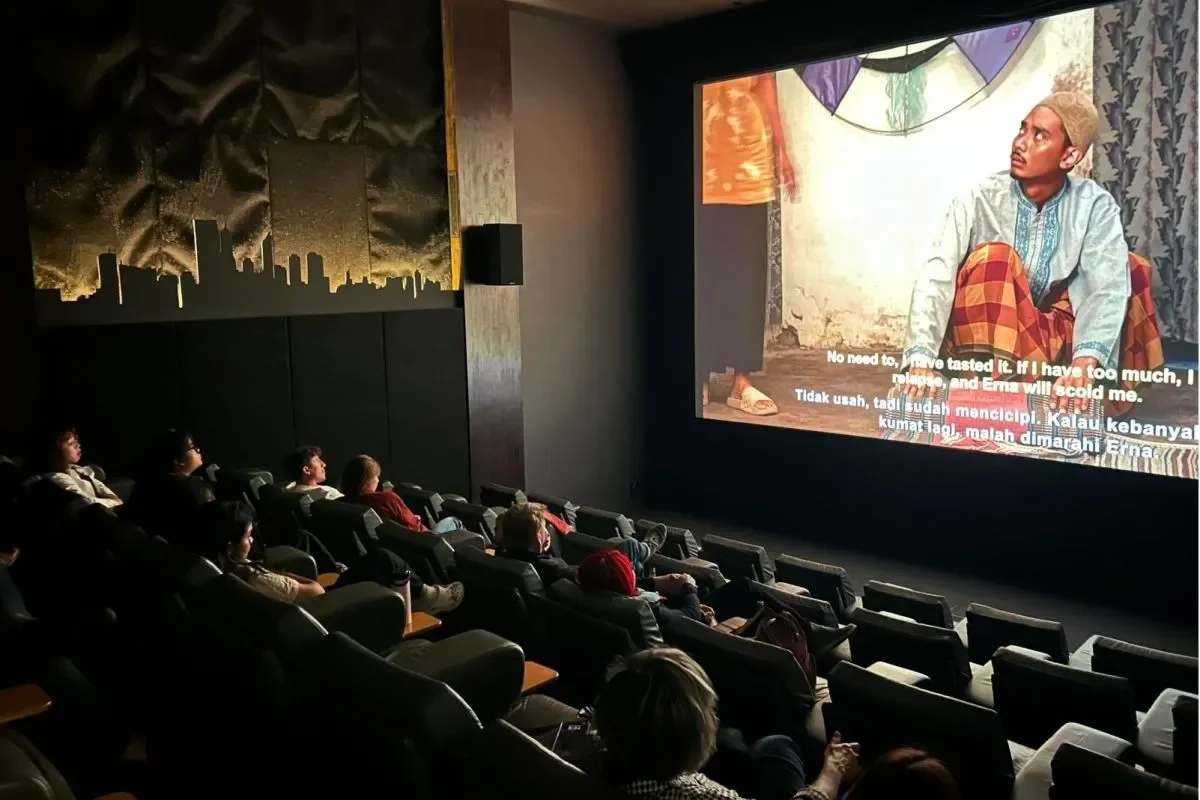
RRI.CO.ID, Jakarta - Minister of Culture, Fadli Zon, has signaled a strategic shift toward a culture-based economy, identifying the creative sector as a primary driver for future national growth due to its limitless potential compared to finite natural resources.
Speaking at the National Film Day commemorations in Jakarta on Wednesday, April 1, 2026, the Minister revealed that the government is concentrating its efforts on the National Talent Management (MTN) program. This initiative specifically targets five core pillars, which are fine arts, film, music, performing arts, and literature.
The Ministry’s focus on these sectors is designed to fulfill constitutional mandates while simultaneously elevating Indonesia’s cultural presence on the global stage. Minister Fadli Zon highlighted the unique position of cinema as a comprehensive cultural vehicle, noting that a single film can encapsulate acting, music, dance, language, oral traditions, local cuisine, and fashion.
“We hope, together with filmmakers, to advance Indonesian cinema in accordance with our constitutional mandate,” said Minister Fadli Zon during the event, as quoted by Antara.
To bridge the gap between local talent and the global market, the Ministry has actively facilitated the participation of Indonesian filmmakers in prestigious international circuits, including festivals in Rotterdam, Cannes, Busan, and Hong Kong FilmArt. Domestically, support remains steadfast for local milestones such as Jakarta Film Week and the Jogja-NETPAC Asian Film Festival (JAFF).
This international exposure is paired with a grassroots talent mapping initiative, including a national screenplay competition aimed at building a robust "script bank" for future industry development.
Financial empowerment remains a cornerstone of this cultural push. The Minister highlighted the Dana Indonesiana program, which offers substantial financial backing, including a matching fund scheme reaching a maximum of IDR 2.5 billion (USD 153,846).
Through these integrated efforts in talent scouting, international networking, and financial stimulus, the government envisions a diverse and thriving national film industry. Such an industry would be capable of producing varied, world-class works that reflect Indonesia's rich heritage. ***
News Recomendation
Loading latest news.....