



Discover Hakka Community Heritage at the Indonesian Hakka Museum
- 28 Jan 2026 15:53 WIB
- Voice of Indonesia
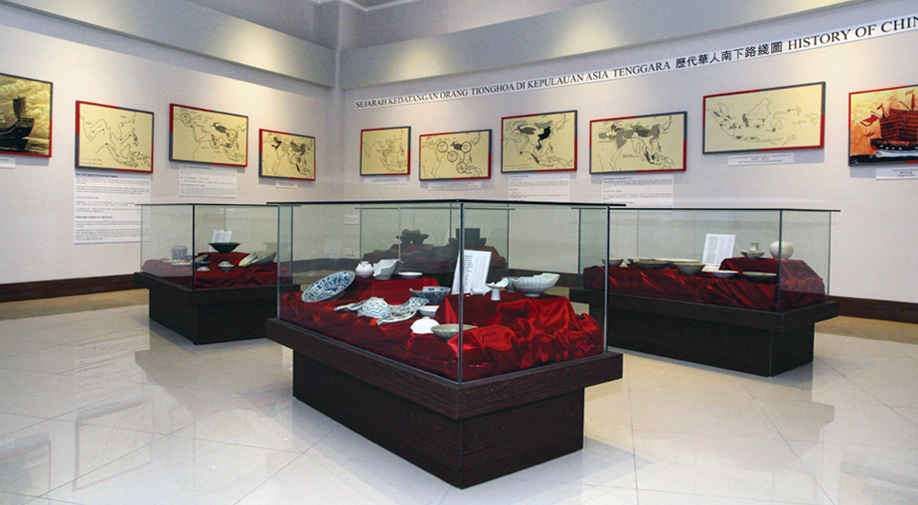
RRI.CO.ID, Jakarta - The Taman Mini Indonesia Indah (TMII) complex in Jakarta is home to a collection of museums that document the rich history and culture of Indonesia.
The Indonesian Hakka Museum is one of them. Through a range of artifacts and records, this museum displays the Hakka community's migration, culture, and contributions to Indonesia, where it has lived and prospered for centuries.
The Indonesian Hakka Museum was founded by the Perhimpunan Hakka Indonesia Sejahtera/Prosperous Indonesia Hakka Association (PHIS) and inaugurated on August 30, 2014, by the 6th President of the Republic of Indonesia, Susilo Bambang Yudhoyono, as a manifestation of its commitment to preserving the history and culture of the Hakka community.
The architecture of the Indonesian Hakka Museum is modeled after the well-known Tulou (communal house) structure of the "Zhencheng Lou" Hakka community settlement in the Yongding area of Fujian, southern China. It symbolizes togetherness, resilience, and adaptability.
The museum is designed not only to house artifacts but also to serve as a space for intergenerational learning.
The Indonesian Hakka Museum consists of three main spaces: the Indonesian Chinese Museum, the Indonesian Hakka Museum, and the Yongding Hakka Museum.
The Indonesian Hakka Museum is located on the third floor and has seven exhibition rooms that present visuals, dioramas, and comprehensive narratives about the history of the Hakka community's migration, the development of culture and education, an introduction to influential Hakka figures, and a diverse collection of objects and artifacts that represent the social and cultural life of the Hakka community in various regions of Indonesia.
Interestingly, some of the collections and items on display were donated by individuals and families within the Hakka community in Indonesia, demonstrating the Hakka community's active participation in preserving and passing on their cultural identity to future generations.
The visitor experience is improved by the museum's tidy, well-kept, and educational environment.
According to Novi (25), a museum staff member, every collection is routinely maintained to preserve its historical significance and high quality. "This museum is quite busy, especially during holidays. Most of the visitors are school children who come for educational tours," Novi said, as quoted by Antara.
This museum serves as a useful educational resource rather than simply a passive display area, as evidenced by the existence of the student club.
One of the most significant sub-communities of the Han Chinese ethnic group is the Hakka community, which is a sub-community of Chinese known as a nomadic group. The Hakka population moved to different locations in six waves due to the economic, social, and political situation in their native area of southern China.
Due to business prospects and accessible natural resources, the Hakka population started gradually migrating to Southeast Asia, notably Indonesia, from the 18th to the early 20th century. The Hakka people originally established themselves in coastal and mining regions, such as Bangka Belitung, West Kalimantan, and several areas in Sumatra and Java. As they went, they interacted with the local population and slowly built long-term communities.
The Hakka community in Indonesia persevered in maintaining its cultural identity despite several obstacles, such as cultural differences and colonial laws, while also adjusting to the social environment. Throughout history, the Hakka community has made major contributions to many facets of Indonesian life, including the economy, education, and culture.
The Hakka community is recognized in the economic arena for being successful entrepreneurs who are actively involved in the development of trade, banking, and manufacturing. Some big businesses, like PT. Sinde Budi Sentosa, established by Budi Yuwono, which were created or managed by Hakka entrepreneurs, illustrate their capacity to create vast and creative commercial networks.
Budi Yuwono himself is well-known for being a powerful force in the Hakka society in Indonesia, notably in the pharmaceutical and health beverage sectors. His firm manufactures a variety of well-known goods, including herbal and fruit-based health beverages like Sanzha Plum, Larutan Penyegar Cap Badak, and Lasegar, Enerbee energy beverages, and a range of herbal and traditional medicine products, such balms and migraine relievers.
The success of these products reflects the ability of Hakka entrepreneurs to combine traditional healing wisdom with modern marketing strategies, enabling them to survive and thrive in both national and international markets.
The Hakka community has founded schools and other educational facilities in the field of education in order to maintain their language, culture, and identity while also offering educational opportunities to the younger generation of Indonesia. The Budi Agung School in North Jakarta, which is run by the Hakka Foundation, is one illustration. All children, including Hakka youngsters, can attend this school and receive a high-quality education.
Besides its educational and economic contributions, the Hakka community is also involved in social groups and organizations that help preserve their unity and cultural identity.
The Hakka Foundation runs cultural events and training programs like Mandarin language lessons, calligraphy classes, and traditional Hakka arts courses in addition to founding schools, all in an effort to keep the younger generation connected to their cultural origins.
The Hakka community is also active in social clubs and organizations that help preserve their unity and cultural identity, in addition to their educational and economic contributions.
Basuki Tjahaja Purnama, also known as Ahok, is a well-known national figure who represents this community symbolically. Ahok is frequently linked to the ideals of openness, hard work, and social service that the Hakka community cherishes. He is the Honorary Chairman of the Senior Hakka Association of the Indonesian Hakka Association (PHIS).
A variety of activities are conducted on a regular basis through groups like PHIS and local Hakka communities, such as the Meizhou Hakka Association, including Chinese New Year festivals, cultural festivals, art displays, food events, and community service. In addition to fostering the community's internal ties, these actions also help to foster strong social networks throughout Indonesia and enhance the country's cultural diversity.
The narrative of the Hakka community's experience in Indonesia is told at the Indonesian Hakka Museum, which is more than just a collection of historical artifacts. Visitors can witness how this community works hard, supports one another, and upholds its customs.
The museum further illustrates that cultural diversity is a treasure that should be cherished. In addition to being a place of education, the museum fosters an understanding of the history and contribution of each community to the development of the country. ***
News Recomendation
Loading latest news.....