



As Many as 13 NTT Cultural Traditions Recommended for National Heritage Status
- 15 Jul 2026 10:51 WIB
- Voice of Indonesia
Key Points
- Thirteen cultural traditions from East Nusa Tenggara have been recommended for Indonesia's Intangible Cultural Heritage (WBTb) designation in the first evaluation phase for 2026.
- The recognition is expected to strengthen cultural preservation and boost NTT's Cultural Development Index, with additional evaluation rounds still scheduled this year.
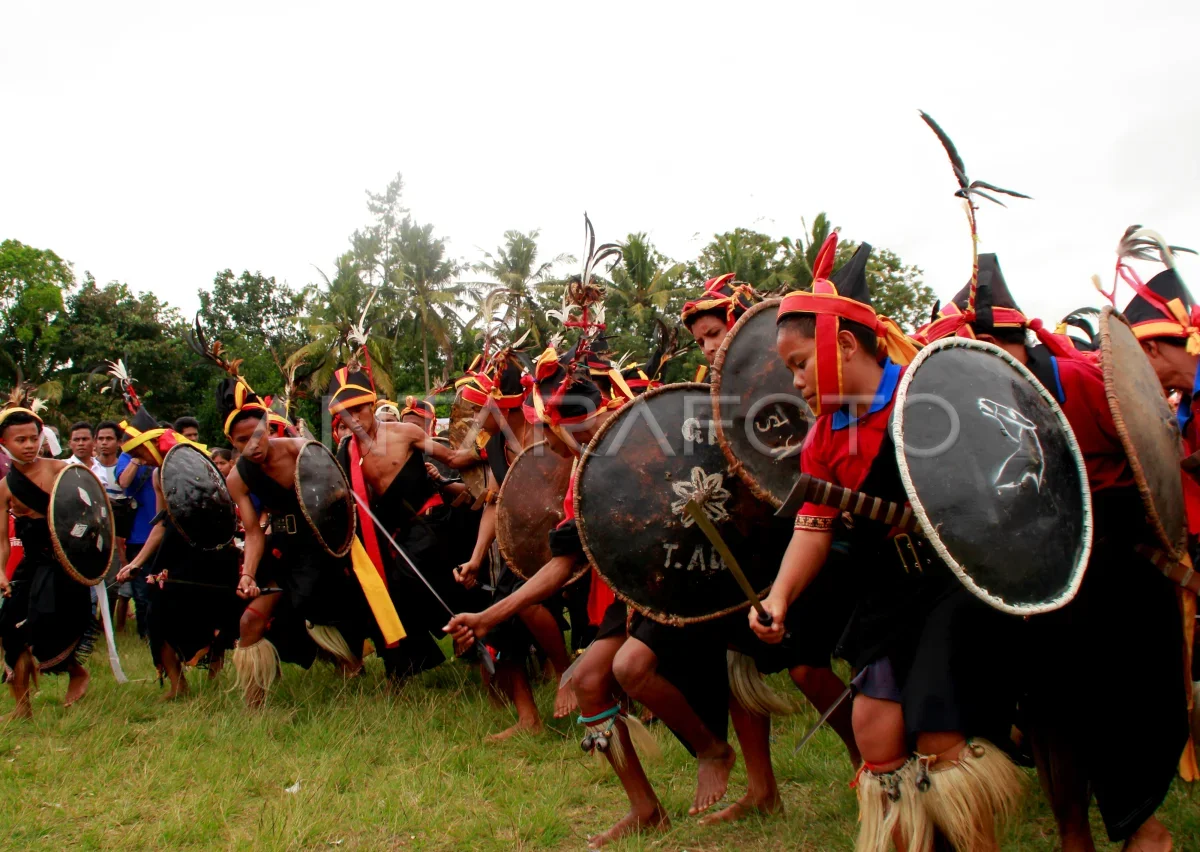
RRI.CO.ID, Kupang - A total of 13 cultural works from East Nusa Tenggara (NTT) province have been officially recommended to become part of the Indonesian Intangible Cultural Heritage (WBTb) for the 2026 fiscal year, following a successful evaluation in the first assessment phase.
The announcement marks an important milestone for the region's cultural preservation efforts, positioning these traditional practices for high-level state recognition.
"Out of a total of 49 cultural works proposed by NTT to the Ministry of Culture in 2026, 13 have been recommended by the WBTb Expert Team during this first phase," announced Head of the NTT Cultural Preservation Agency (BP Kebudayaan), Haris Budiharto, in Kupang on Tuesday, July 14, 2026, as quoted by Antara.
The 13 recommended cultural works are distributed across several regencies within the province. In Kupang Regency, the nominations include Lilifuk, a traditional marine conservation system, alongside Amarasi Woven Fabric (Manfafa). Belu Regency is represented by the Pule Sele / Sau Sele ritual, while Sikka Regency puts forward Togo and Patikarapau.
Moving across the region, East Flores Regency features Turep Kote, and Lembata Regency highlights both the Wulandoni Barter Market and Wate Mea Weaving. In Manggarai Regency, the traditional house-building ritual known as Roko Molas Poco has gained recognition.
Further south, Central Sumba Regency features Kataga, a traditional war dance, while Southwest Sumba Regency showcases Kodi Ikat Weaving. Finally, South Central Timor Regency is represented by its traditional musical instruments, Knobe and Tois.
| Baca juga: The Art Behind Indonesia’s Traditional Batik |
Haris detailed that the entire nomination pipeline originated from local regency and municipal administrations, channeled through the NTT Provincial Education and Culture Office before undergoing strict scrutiny by the national Expert Team.
The evaluation framework strictly follows the Ministry of Education and Culture Regulation (Permendikbudristek) No. 106/2013, alongside the foundational parameters set by the 2003 UNESCO Convention for the Safeguarding of the Intangible Cultural Heritage. The recommendations from the first session are now final and will be forwarded directly to the Minister of Culture for statutory designation.
Crucially, Haris noted that the review cycle is far from over, with second and third evaluation rounds scheduled to run through the end of 2026. This leaves the door open for more of NTT's submitted works to gain approval.
"We hope that all supporting documents and data prepared by the nominators from the regencies and cities, alongside the cultural masters and individuals who deeply understand these traditions, can fully convince the Expert Team so that the rest of NTT's proposals can eventually be recommended to the Minister of Culture," he remarked.
Haris lauded the seamless coordination between provincial and regional cultural offices. While BP Kebudayaan NTT actively provides technical guidance and administrative support throughout the bidding process, Haris clarified that the agency maintains a strict boundary of non-intervention, leaving all evaluation choices solely to the independent Expert Team.
Financially and socially, scaling up the list of recognized traditions will directly boost NTT’s national Cultural Development Index (IPK).
"Presently, NTT already boasts 62 recognized Indonesian WBTb designations. We remain highly optimistic that this number will grow substantially once the full yearly evaluation rounds wrap up," Haris said.
He concluded by reassuring the public that the government's role will not stop at mere certification. Once a tradition secures its place on the national register, BP Kebudayaan NTT will execute long-term monitoring to preserve the surrounding cultural ecosystem, ensuring these ancestral practices remain actively alive and celebrated within their native communities. ***
News Recomendation
Loading latest news.....