



Cirebon Turns Waste Into Self-Sustaining Food Cycle
- 13 Jul 2026 11:33 WIB
- Voice of Indonesia
Key Points
- The Cirebon City Administration has introduced an integrated waste-management program that converts household organic waste into resources for food production.
- Every village in Cirebon is required to establish a pilot site for integrated waste management as part of the city's self-reliance strategy.
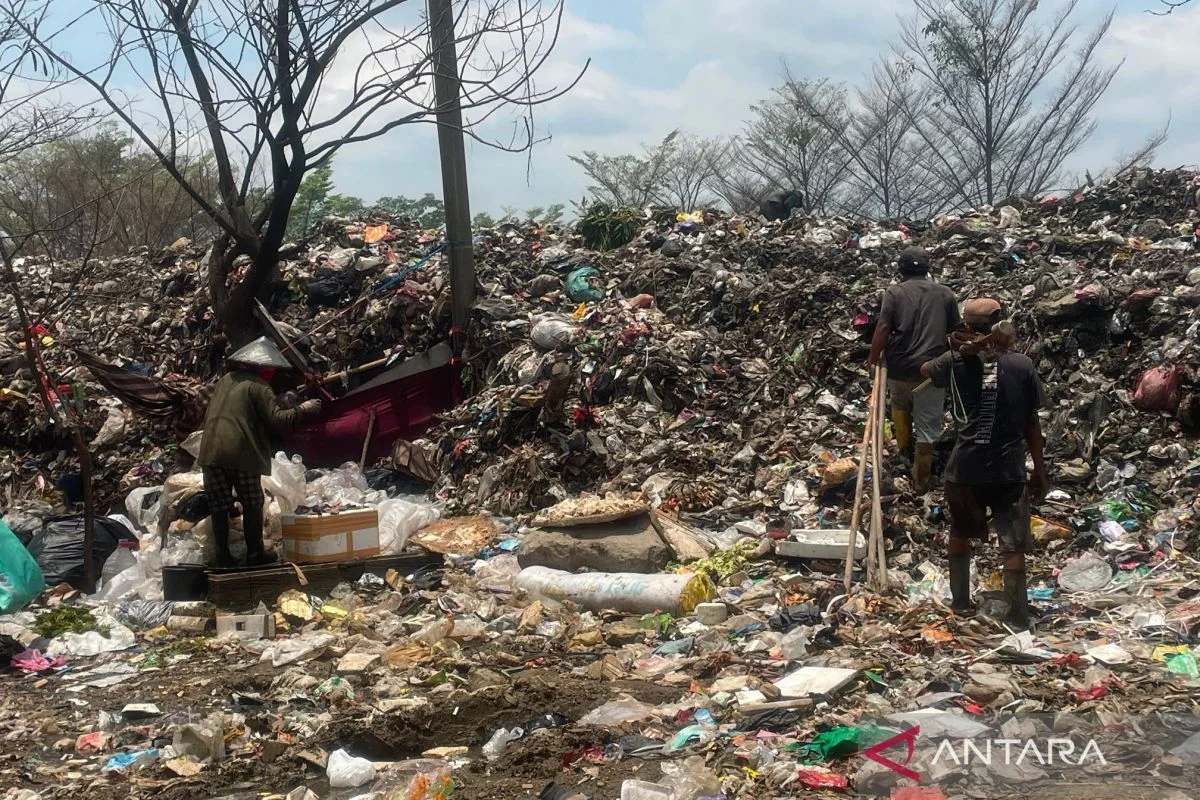
RRI.CO.ID, Cirebon - The Cirebon City Administration in West Java has created a self-sustaining food cycle by converting household organic waste into new food chains. Through an integrated waste-management system at the urban village level, domestic waste is now processed into maggot feed for catfish and laying hens while also producing compost that fertilizes residents’ vegetable cultivation.
Cirebon’s Regional Secretary, Iing Daiman, said the requirement for every village to have a pilot site for integrated waste management is part of the local administration’s self-reliance concept.
“The administration already has a concept for independent waste handling. The main issue cities face today is the limited capacity of final disposal sites (TPA),” he said on Sunday, 12 July 2026.
He said each village will receive guidance to implement integrated waste management through a mentoring system involving administration agencies and facilitators. “What we want to build is a system where waste is resolved upstream, namely at the household level,” he said, as quoted by Antara.
To support the program, the local administration has formed a communication group that includes the mayor, regional secretary, heads of agencies, subdistrict heads, village heads, and waste-management facilitators.
“So if there is anything to consult, it can be discussed directly together. There will be mentoring, education, outreach, and the technical steps that must be taken,” he said.
He explained that household organic waste will be processed into media for maggot cultivation, which will then be used as feed for laying hens and catfish.
The remaining organic-waste processing residue will be turned into compost for vegetable cultivation, while chicken manure will be reused as organic fertilizer, creating an interconnected ecosystem.
“What we are building is not just waste processing. There is maggot farming, laying hens, catfish, and vegetable crops. Everything supports one another so waste gains economic value,” he said.
Iing said eggs produced at the pilot sites will be used to support stunting prevention efforts in Cirebon City. “The concept is that when eggs are produced, they will be distributed to families with children affected by stunting. So the benefits return to the community,” he said.
He added the program is expected to foster a culture of household-level waste management, so the volume of waste sent to final disposal sites will continue to decline. ***
News Recomendation
Loading latest news.....