



Jombang's RDF Tech Transforms Local Waste Into Clean Fuel
- 16 Jul 2026 16:47 WIB
- Voice of Indonesia
Key Points
- Hundreds of tons of waste from Banjardowo Final Disposal Site (TPA) in Jombang have been converted into refuse-derived fuel (RDF), an alternative fuel that can reduce carbon emissions.
- RDF produced from processed waste is expected to help replace part of coal consumption in the national cement industry.
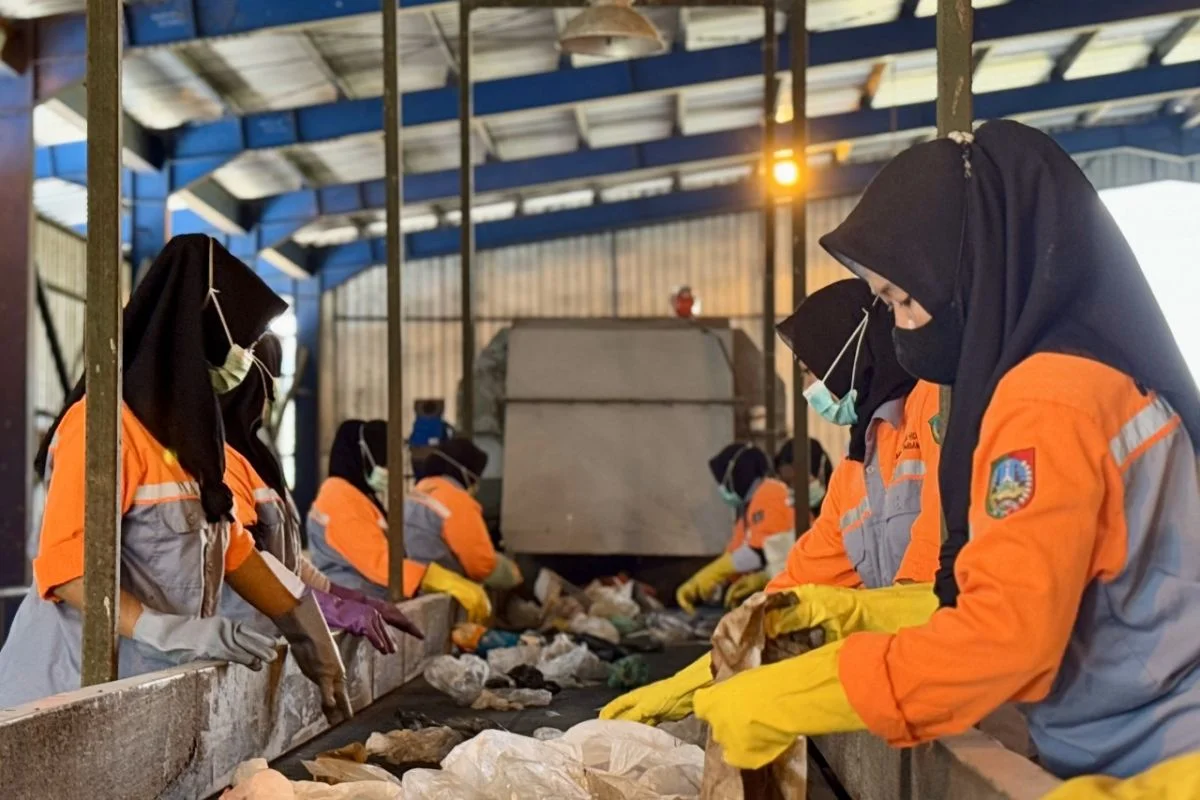
RRI.CO.ID, Jombang - Hundreds of tons of waste from the Banjardowo Final Disposal Site (TPA) in Jombang, East Java, have been transformed into refuse-derived fuel (RDF), an environmentally friendlier alternative fuel that reduces carbon emissions. The RDF processing is projected to replace a significant portion of coal use in the national cement industry.
Environment Minister, Moh Jumhur Hidayat, said the waste management model can serve as an example for other regions, particularly in implementing waste reduction systems from source to final disposal.
“This already meets good waste‑management standards. We only need a small intervention so the circular economy can run and generate greater economic value,” the minister said during an inspection of the TPA Banjardowo in Jombang Regency on Wednesday, 16 July 2026.
He added that the Jombang facility meets modern waste‑management standards because it no longer relies on the old ‘collect, bury, and dump’ approach. The central government will review additional support in the form of technology and equipment, including possible provision of RDF machines to increase capacity for converting inorganic waste into alternative fuel for the cement industry.
The minister said RDF is considered environmentally friendly because it can partially replace coal as an energy source in industry. “This is very environmentally friendly because it reduces coal use. It is part of efforts to protect the Earth while creating green jobs,” he said, as quoted by Antara.
He noted that developing waste‑processing technology could also expand employment across the waste‑management chain, from sorting to final processing. The administration will dispatch expert teams to calculate the economic scale of Jombang’s waste processing, including studies to boost RDF production capacity so it can generate greater added value for the region.
He also opened the possibility of inter‑regional cooperation through an agglomeration concept if transporting waste from neighboring areas to Jombang’s facility proves economically viable and beneficial.
The administration targets resolving waste‑management issues across all regencies and cities in Indonesia within one to two years. This goal will be pursued through a combination of RDF development, circular‑economy measures, and building waste‑to‑energy processing facilities.
Meanwhile, Jombang Deputy Regent, M. Salmanudin Yazid, welcomed the RDF initiative, saying it is highly positive because it helps manage waste effectively. “This is very effective: of the 500 tons per day of waste generated in Jombang Regency, 300 tons can be managed properly,” he said.
Local officials hope for central government support for RDF machinery. Beyond waste management, the technology could unlock economic potential from processed waste. During his visit to Jombang, the minister also inspected both non‑organic and organic waste processing at the Banjardowo final disposal site. ***
News Recomendation
Loading latest news.....