



South Kalimantan Village Turns Waste Into Mushroom Enterprise
- 26 Mei 2026 07:34 WIB
- Voice of Indonesia
Key Points
- The village-owned business unit (BUMDes) Berkah Bersama in Bahungin Village, Tabalong Regency, South Kalimantan, celebrated its inaugural oyster mushroom harvest on May 25, 2026.
- The cultivation promotes environmental sustainability by repurposing agricultural and industrial waste, specifically sawdust and post-harvest rice straw, as growing substrates.
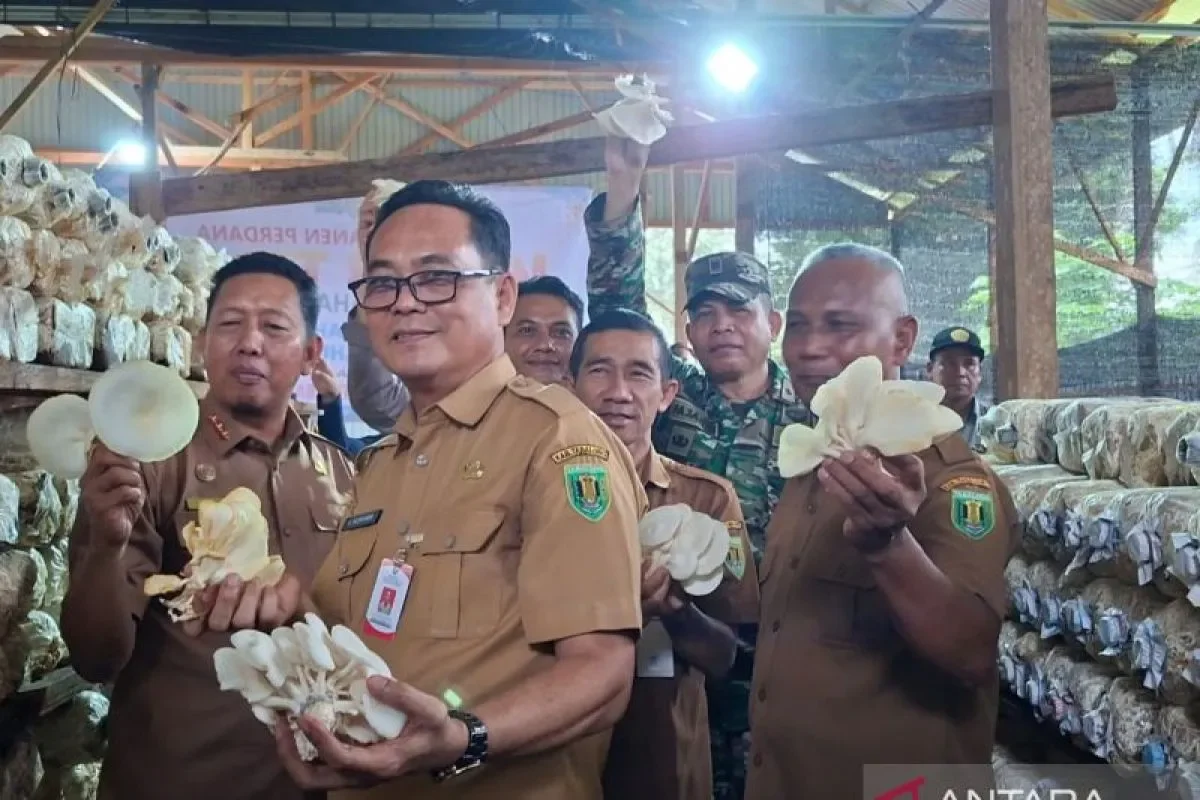
RRI.CO.ID, Tanjung - What began as an effort to repurpose agricultural waste has grown into a promising rural enterprise. The village-owned business unit (BUMDes) Bahungin in Kelua Subdistrict, Tabalong Regency, South Kalimantan, has successfully launched its first oyster mushroom harvest.
This initiative transforms sawdust and post-harvest rice straw into a commercially viable crop that officials believe could serve as a model for other villages across the region.
The inaugural harvest, attended by local administration and community leaders on Monday, May 25, 2026, marked the first tangible return on the project's investment. The initiative utilized roughly IDR 150 million (USD 8,461) drawn from the 2025 village fund and managed by BUMDes Berkah Bersama under the leadership of director Dardiansyah.
The initial yield reached 20 kilograms of oyster mushrooms from around 5,000 growing media units, a modest but meaningful start that has already attracted strong local demand. Each kilogram is sold at IDR 40,000 ( USD 2.25), with plans underway to double the growing media to 10,000 units to meet market appetite.
"Current production is only being sold to the surrounding community, and we will continue to expand because demand for oyster mushrooms is very high," said Dardiansyah, as quoted by Antara.
The enterprise has drawn praise from district officials who see it as a blueprint for sustainable village economic development. Kelua Subdistrict Head, Rudi Noor Erwan, highlighted the environmental and economic value of the approach, particularly the use of industrial and agricultural byproducts as the primary growing substrate.
"This business is very promising because by utilizing waste, it can produce quality mushrooms with a fairly high market value," said Rudi.
He added that the achievement represents a meaningful step forward for Bahungin Village and expressed hope that BUMDes Bahungin would pursue collaborations with external partners to further scale the venture.
The first harvest ceremony was attended by the Expert Staff for Economic and Development Affairs of Tabalong Regency, Tazerianoor, alongside representatives from Subdistrict Leadership Coordination Forum (Forkopimcam) and the Bahungin Village Administration. Officials used the occasion to stress that sustainability and accountability must underpin the enterprise's growth.
Tazerianoor called on relevant stakeholders to provide ongoing guidance and technical support to ensure the oyster mushroom cultivation remains viable long-term. He also underscored the importance of financial transparency within the business unit.
"BUMDes management must also be transparent regarding the use of funds and be able to contribute to village revenue from this business," said Tazerianoor.
Oyster mushrooms, identified by their white and cream-colored fruiting bodies and shell-shaped caps, are well suited to small-scale cultivation and have seen rising consumer demand across Indonesia in recent years.
For Bahungin Village, the crop represents a valuable new income stream. It also serves as a practical model of how village enterprises can align food security goals with environmental sustainability by repurposing materials that would otherwise go to waste. ***
News Recomendation
Loading latest news.....