



Pertamina Turns Farm Waste into Energy in West Sumatra
- 18 Feb 2026 14:30 WIB
- Voice of Indonesia
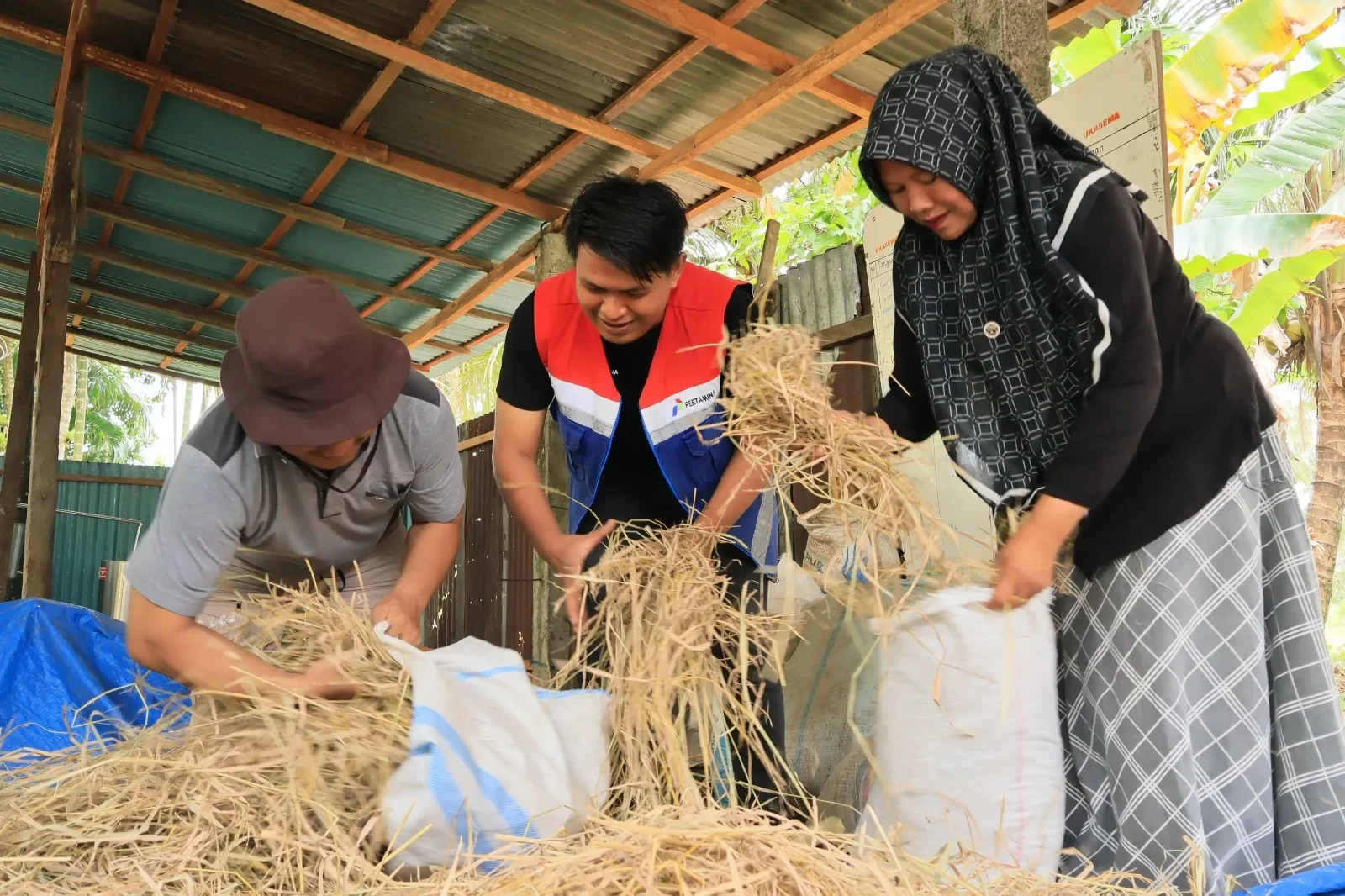
RRI.CO.ID, Jakarta – A community-based waste management program in Nagari Padang Toboh, Padang Pariaman, West Sumatra, has emerged as a model of collaboration between a state-owned company and residents in promoting the circular economy.
PT Pertamina Patra Niaga, a subsidiary of state-owned energy giant Pertamina, has introduced the Smart Waste Management Innovation System (SI CADIAK) to address agricultural and livestock waste while strengthening local energy security.
Pertamina Patra Niaga corporate secretary Roberth M. V. Dumatubun described the initiative as a tangible example of corporate-community collaboration.
“This is a concrete example of how cooperation between Pertamina Patra Niaga and residents can deliver sustainable solutions. The program not only resolves waste management issues but also creates economic value, strengthens biogas-based energy security and improves the welfare of the Nagari community in an inclusive way,” he said in a statement issued in Jakarta on Tuesday, February 17, 2026, as quoted by Antara.
Roberth said the program is one of the company’s flagship initiatives to help meet the criteria of the government’s Company Performance Rating Program in Environmental Management (PROPER).
He added that the innovation-driven approach, supported by measurable impact indicators, has produced concrete results locally and could serve as a benchmark for similar community-based waste management programs in other regions.
He stressed that improving environmental and social performance requires an integrated strategy that goes beyond environmental protection to include community empowerment and systematic, measurable impact assessment.
In Nagari Padang Toboh, agricultural and livestock waste had long posed a major challenge. In response, Pertamina Patra Niaga, through its Minangkabau Aviation Fuel Terminal (AFT) unit, launched the program as part of its Social and Environmental Responsibility (TJSL) initiative based on circular economy principles.
Under the program, agricultural waste that was previously underutilized is no longer treated as mere harvest residue but as a productive resource with economic value. Through an eco-innovation approach, residents process straw sustainably to reduce open burning, minimize environmental damage and optimize local resources.
“Specifically, this program converts straw and livestock manure into products that are economically valuable and environmentally friendly,” Roberth said.
Each year, residents process 894 tons of straw and 864 tons of livestock manure into compost, bioethanol and an eco-friendly straw-based perfume branded ARUWA.
The program also supports the Sawah Pokok Murah (Low-Cost Rice Fields) initiative and generates renewable energy through a solar power plant that supplies electricity to the UKASEMA Learning Center.
According to the company, the initiative has reduced carbon emissions by 1,305 tons of CO₂ equivalent per year, cut cases of acute respiratory infections (ISPA) by 80 percent between 2022 and 2025, and increased residents’ income by 63 percent through product diversification and improved farming efficiency.
The program aligns with Indonesia’s commitment to the Sustainable Development Goals (SDGs), particularly poverty alleviation, decent work and economic growth, responsible consumption and production, and climate action.
Roberth said the initiative not only delivers local benefits but also contributes to the country’s broader sustainable development agenda. ***
News Recomendation
Loading latest news.....