



Universities Harness AI to Transform Procurement in Indonesia
- 14 Agt 2026 11:34 WIB
- Voice of Indonesia
Poin Utama
- RMIT Indonesia Director Tantia Indah highlighted procurement as a strategic tool to empower over 64 million local MSMEs.
- RMIT University Australia and BINUS University partnered to advance sustainable procurement in Indonesia through AI technology.
- BINUS Center of Excellence and RMIT researchers developed Sustainable Procurement Disclosure Index (SPDI).
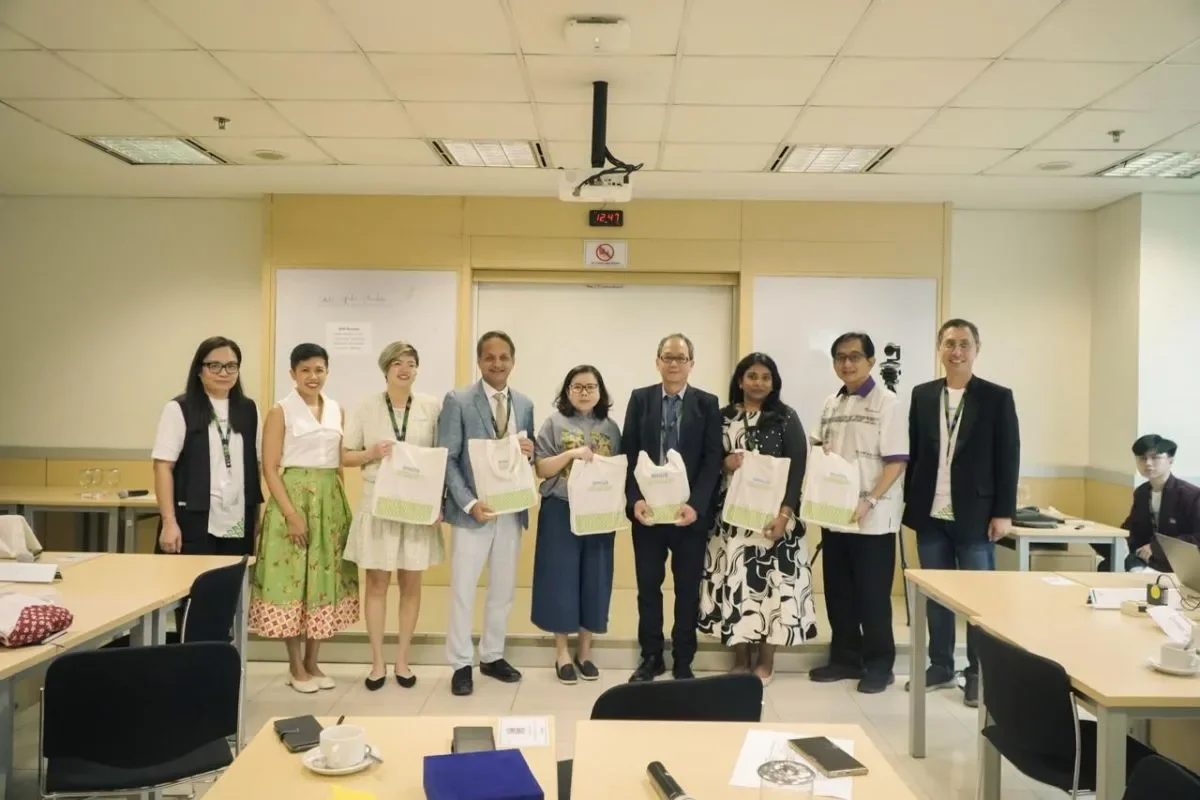
RRI.CO.ID, Jakarta – Indonesia’s vast procurement system -- valued at more than IDR 1,193 trillion (USD 66.92 billion) in 2025 -- is being reimagined as a driver of sustainability through a collaboration between RMIT University Australia and BINUS University.
The partnership highlights how artificial intelligence (AI), when paired with academic expertise, can make government and corporate spending more transparent, accountable, and environmentally responsible.
RMIT Indonesia Director Tantia Dian Permata Indah explained that procurement should be seen as a strategic instrument rather than a back‑office task.
“Sustainability becomes real through daily decisions, what organizations buy, who they work with, and the standards vendors must meet,” she said, as quoted by Antara.
RMIT is helping institutions use data and AI responsibly to evaluate vendors and practices, while ensuring human oversight remains central to accountability.
One of the key tools developed is the Sustainable Procurement Disclosure Index (SPDI), which measures how companies disclose sustainable procurement practices. Built on Global Reporting Initiative indicators, the framework is being expanded by BINUS across Asia‑Pacific.
In 2026, the collaboration produced a dataset comparing human and AI assessments of procurement practices in 99 listed companies, using 33 indicators covering governance, stakeholder engagement, environment, social, and economic dimensions.
Indonesia’s procurement decisions carry wide implications. With more than 64 million micro, small, and medium enterprises (MSMEs) contributing over 60 percent to GDP and employing nearly 97 percent of the workforce, changes in procurement standards directly affect businesses, workers, and communities.
Chair of the BINUS Center of Excellence in Sustainability Yanthi Rumbina Ianova Hutagaol emphasized the importance of adapting global frameworks to local realities.
“By combining RMIT’s international research expertise with BINUS’s understanding of regulations, business, and vendor ecosystems in Indonesia, this collaboration helps organizations move from ESG commitments to measurable procurement practices,” she concluded.
Through the joint efforts of RMIT and BINUS, procurement is being reframed as a frontline tool in Indonesia’s sustainability journey, linking everyday spending decisions to broader goals of a greener, more inclusive economy. ***
News Recomendation
Memuat berita terbaru.....