



Indonesia Accelerates Use of Robotics in Stroke Care
- 05 Jun 2026 19:38 WIB
- Voice of Indonesia
Key Points
- Indonesia is fast-tracking robotics into medical services to combat the high global disability burden from stroke.
- The initiative aims to curb soaring healthcare costs and optimize rehabilitation.
- A structured national ecosystem is being established to support future innovations.
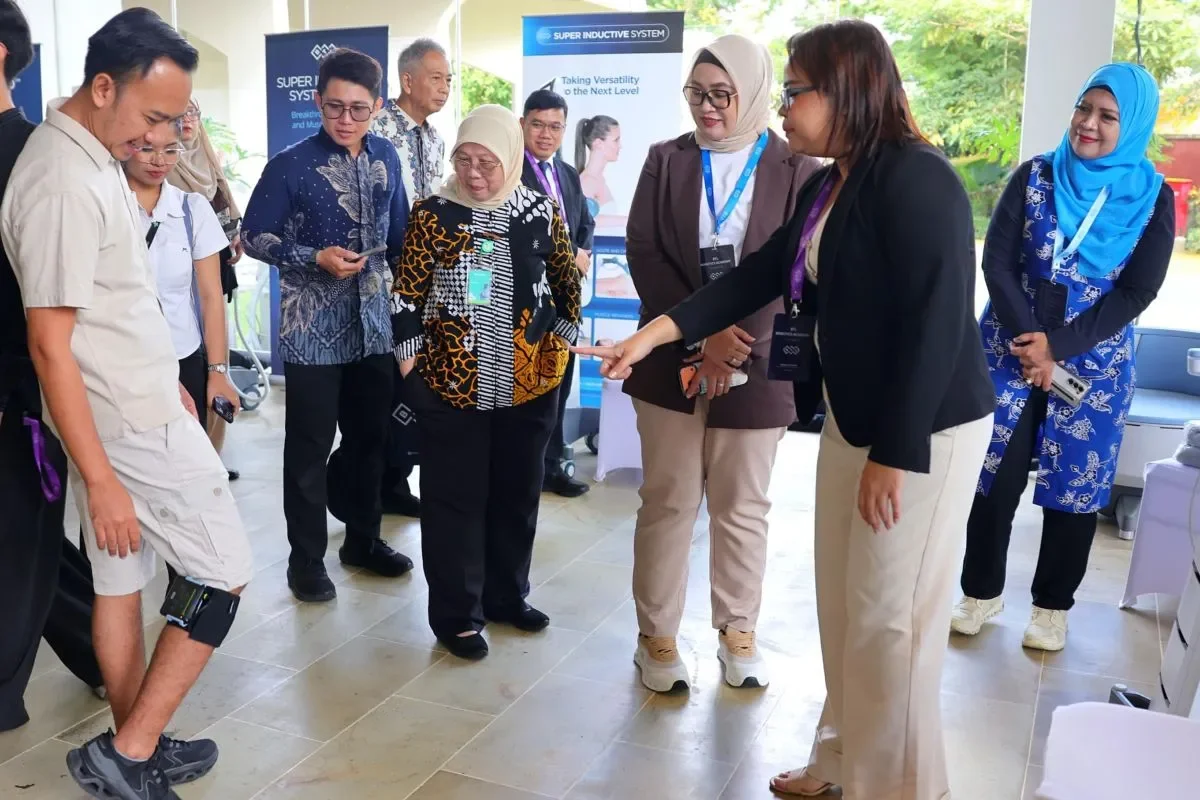
RRI.CO.ID, Jakarta - The Indonesian Ministry of Health is fast-tracking the integration of robotics technology into healthcare services as part of its broader transformation agenda.
The move responds to the rising burden of non-communicable diseases, particularly stroke, which remains one of the leading causes of death and disability in Indonesia. Director General of Health Human Resources Yuli Farianti highlighted the urgency of this initiative.
“Robots are not here to replace health workers. Instead, this technology is designed to strengthen capacity and support medical professionals in delivering more effective, precise, and sustainable care to patients,” Yuli said in Jakarta on Friday, June 5, 2026, as quoted by Antara.
Data shows that in 2023, around 3.9 million Indonesians lived with stroke, which caused more than 337,000 deaths. Indonesia also accounts for 6.5 percent of the global disability burden from stroke, underscoring the need for advanced rehabilitation services.
Yuli stressed that rehabilitation is no longer a complementary service but an essential part of modern healthcare. “Rehabilitation plays a crucial role in helping patients regain function and independence,” she explained, noting that robotic technology can provide strategic support for long-term recovery.
The financial impact is also significant, with stroke-related healthcare claims increasing from IDR 2.7 trillion to IDR 5.6 trillion in just one year. To address this, the Health Ministry is building an integrated health robotics ecosystem, involving universities, hospitals, and industry partners, alongside supportive policy frameworks.
“We are forming a National Health Robotics Committee and preparing foundations for training centers, services, and innovation hubs. At the same time, we are drafting regulations to support future innovations, including robotic-based telesurgery and domestic health technology development,” Yuli said.
She emphasized that the ultimate goal is to expand access to quality healthcare, strengthen national capacity, and improve patient recovery outcomes. Collaboration across sectors, she added, will be vital in advancing neurorehabilitation both in Indonesia and the wider Asia-Pacific region.
“The future of neurorehabilitation is not only determined by technological progress but also by the strength of collaboration. By combining science, innovation, and strong partnerships, we can help more Indonesians restore function, regain independence, and build new hope,” Yuli concluded. ***
News Recomendation
Loading latest news.....