



Transportation Analyst Warns Against Cutting Safety Funds Amid High Risks
- 17 Sep 2026 14:45 WIB
- Voice of Indonesia
Poin Utama
- A transportation expert says the transport safety budget must be increased and warns that cost‑saving measures should not reduce safety funding.
- Transport safety still requires improvement, with safety concerns needing attention across all modes, including land and sea.
RRI.CO.ID, Jakarta – Indonesian Transportation Society Advisory Board member Djoko Setijowarno said the transportation safety budget must be increased, stressing that cost‑cutting measures should not reduce funding for transportation safety.
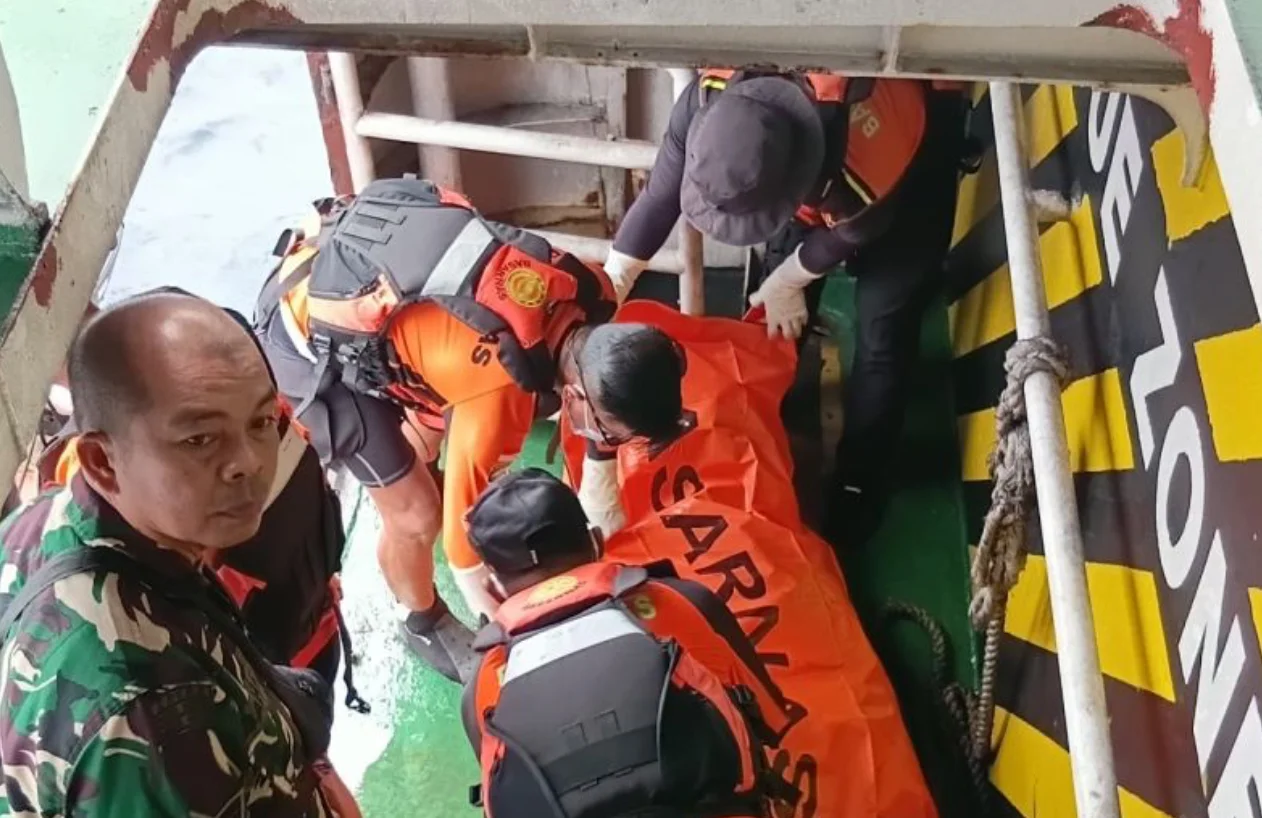
Maritime safety has again come under scrutiny following a series of ship accidents over the past week, prompting calls for a comprehensive evaluation of maritime safety and navigation mitigation systems.
Djoko said the Ministry of Transportation’s core responsibilities are ensuring safety and facilitating public mobility. He noted that developing transportation facilities, such as piers, is part of this mandate and requires serious attention.
“Budget cuts are permissible, but the transportation safety budget must not be slashed. The Ministry of Transportation has two main duties: ensuring transport safety and facilitating people’s mobility,” Djoko said during a discussion with RRI Pro3 on Wednesday, September 16, 2026.
He said transportation safety still requires significant improvement, even though the issue is not always related to cost. He highlighted safety concerns across land and sea transportation.
Regarding vessel seaworthiness, Djoko emphasized that ships must always be ensured to be fit for operation. Inspection documents, he said, should serve as a basis for evaluating a vessel’s condition before sailing.
Djoko also raised concerns about the issuance of Sailing Approval Letters (SPB), saying the process requires stricter oversight. He questioned the practice of issuing approvals for long periods, noting that a vessel’s safety status can change at any time.
“We know SPBs are being issued for the next month. But how can they issue one for an entire month? How do they know the ships will be ready to sail? This is a scheme, and there are still unscrupulous individuals involved,” he said.
Research Professor at BRIN’s Climate and Atmosphere Research Center, Erma Yulihastin, said marine weather conditions can change rapidly due to sea dynamics and atmospheric activity.
She noted that adverse marine weather is typically marked by strong currents, high waves, and high winds. These conditions are often accompanied by storms or extreme rainfall, which affect vessel navigation.
She added that oceanic eddies--swirling water currents--can influence water dynamics during a voyage. These changes can occur within hours, requiring continuous monitoring.
“Strong winds often coincide with extreme rainfall or storms. Consequently, one encounters marine storms featuring high winds, waves, and currents, as well as mesoscale oceanic eddies,” she said.
Erma noted that modern technological advancements allow faster detection of changing sea conditions, though this depends on the monitoring equipment installed on the vessel.
She explained that ship radar should be able to detect various objects, including other vessels and certain weather conditions. Ideally, ships would also be equipped with an automatic weather station (AWS) to help monitor atmospheric conditions.
She added that remote sensing and satellite technologies could strengthen weather monitoring, supported by fully equipped maritime stations and weather monitoring facilities in port areas. (Misni Parjiati)
News Recomendation
Memuat berita terbaru.....