



Indonesia Sets 2027 Hajj Financing Plan to Protect Pilgrims
- 15 Jul 2026 16:43 WIB
- Voice of Indonesia
Key Points
- The Indonesian government is proposing a 2027 Hajj financing scheme with 60 percent covered by Hajj fund benefits managed by BPKH and 40 percent borne by pilgrims to ease their burden.
- Preparations have begun early, with plans to tighten health screenings, strengthen service negotiations, and improve accommodation, transportation, and catering for pilgrims.
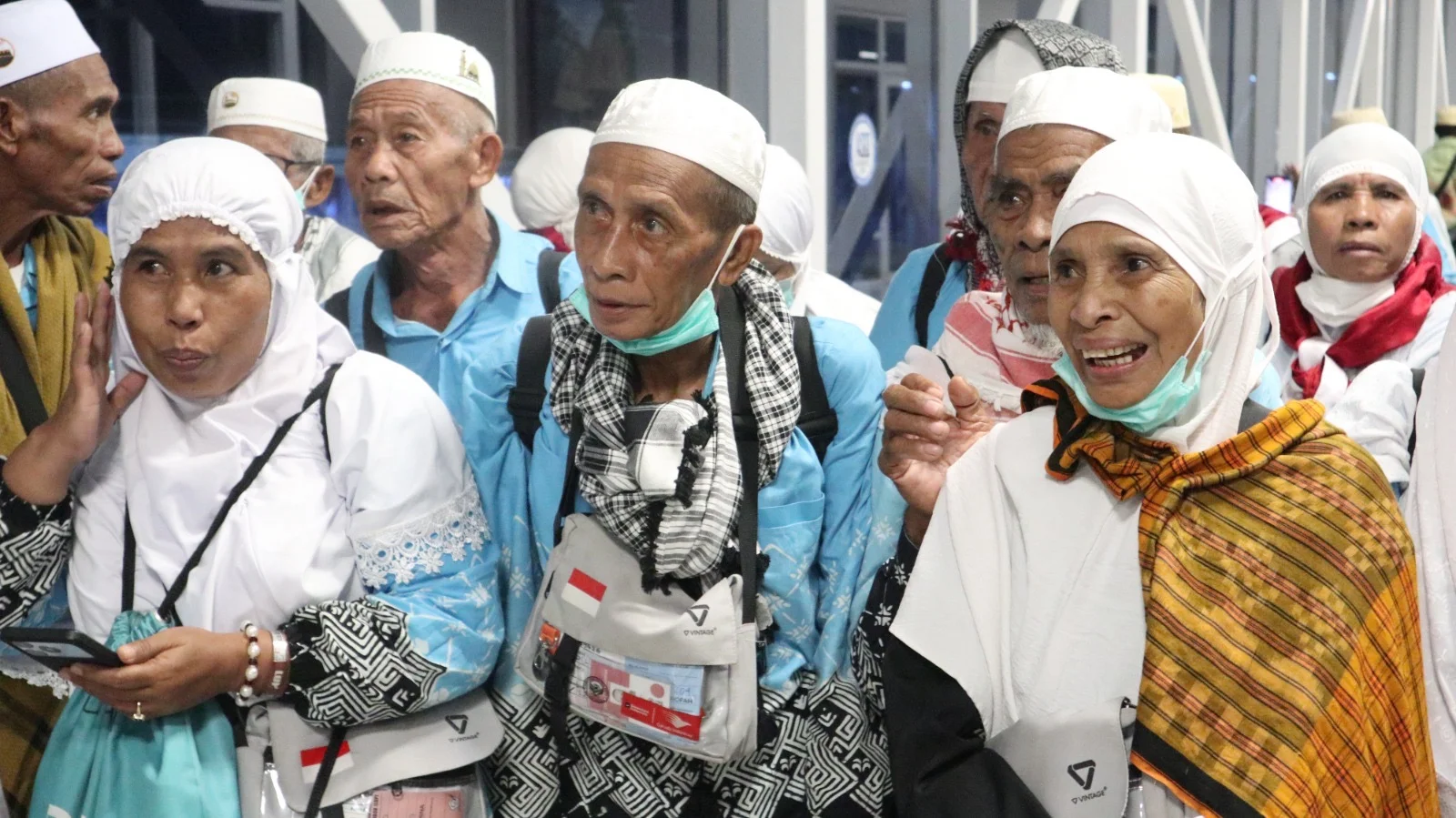
RRI.CO.ID, Jakarta – The government is preparing improvements to the 2027 Hajj pilgrimage to ensure that rising operational costs are not borne entirely by pilgrims.
One measure is maintaining the financing scheme, with 60 percent covered by the Hajj fund benefits managed by the Hajj Financial Management Agency (BPKH) and 40 percent from pilgrim contributions.
Deputy III of the Indonesian Government Communication Agency (Bakom), Kurnia Ramadhana, said the scheme has been submitted to the House of Representatives (DPR) as part of discussions on the 2027 Hajj Pilgrimage Costs (BPIH).
“The government is still proposing a financing scheme of 60 percent from the Hajj fund managed by BPKH and 40 percent from pilgrim costs to ease the burden and anticipate rising service expenses in Saudi Arabia,” Kurnia said at the Bakom office in Jakarta on Wednesday, July 15, 2026, as quoted by Antara.
He explained that preparations for the 2027 Hajj began early to allow improvements in various service aspects. The government has aligned implementation stages with the Saudi Arabian government’s schedule, including submitting the BPIH proposal and its details to the House.
Strategic issues are also being addressed, including quota planning, strengthening health screenings (istitha’ah), funding schemes for flight cost shortfalls, accelerating negotiations with Hajj service providers, and transferring state-owned assets (BMN) for Hajj administration.
To reduce morbidity and mortality during the pilgrimage, the government will tighten health screenings for prospective pilgrims. Training for Hajj officials at central and regional levels will be enhanced to ensure consistent service standards.
Health services in Saudi Arabia, animal slaughter management, and accommodation, transportation, and catering services will also be improved. Hajj quotas will be used in accordance with regulations, while service procurement will be conducted more efficiently, transparently, and accountably.
“These steps are part of the government’s commitment to providing a safer, more comfortable, and pilgrim-oriented Hajj,” Kurnia said.
Previously, the Ministry of Hajj and Umrah proposed a 2027 Hajj cost of IDR 107.34 million per pilgrim, up from IDR 87.4 million in the previous season.
Hajj and Umrah Minister Mochamad Irfan Yusuf said the increase was driven by higher costs for flights, accommodations in Mecca and Medina, ground transportation, Masyair services, healthcare, the strengthening of the istitha’ah program, the provision of ready-to-eat meals, and exchange rate assumptions for the rupiah against the US dollar and the Saudi riyal.
Nevertheless, the government proposed that most financing needs be supported by the benefit value of the Hajj funds managed by BPKH. With 60 percent from fund benefits and 40 percent from pilgrim costs (Bipih), the government hopes to keep pilgrim expenses affordable despite rising organizational costs. ***
News Recomendation
Loading latest news.....