



The Truth About Malabar: Indonesia’s First Radio Station
- 07 Sep 2026 20:52 WIB
- Voice of Indonesia
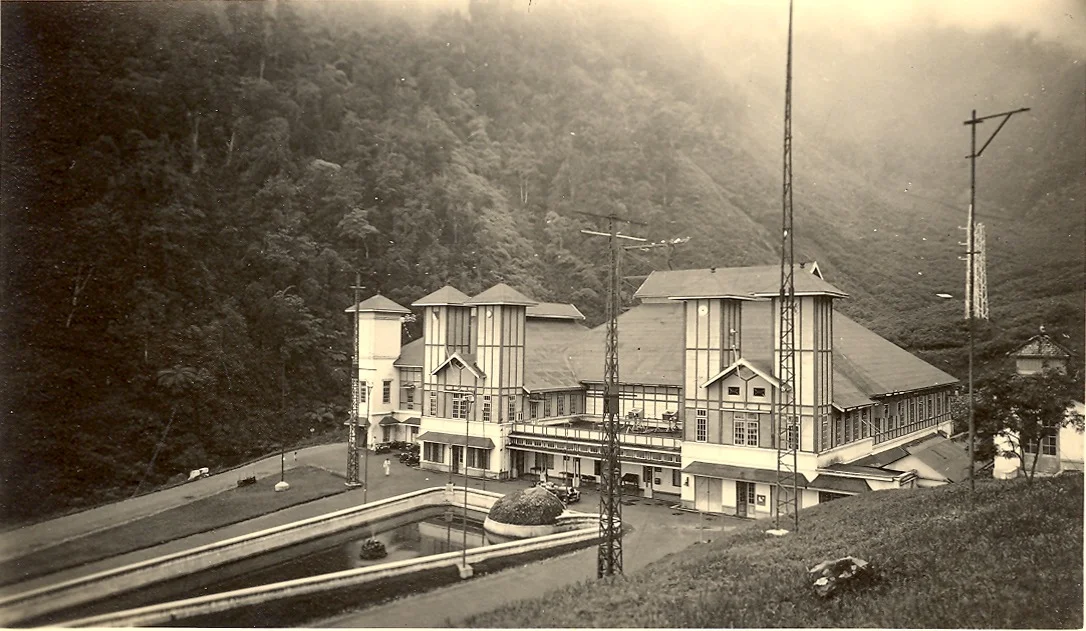
RRI.CO.ID, Jakarta - The mist-shrouded ruins of Mount Puntang in West Java still captivate many history enthusiasts today. However, popular discourse frequently misidentifies this monumental site as Indonesia’s first public broadcasting station.
Inaugurated in 1923, Malabar Radio Station functioned as a transoceanic telegraphy hub, not a civilian broadcast network. The colonial administration built the facility exclusively to maintain secure transcontinental contact with Europe.
The Dutch East Indies Post, Telegraph, and Telephone Service, or PTT (Post, Telegraaf en Telefoondienst), managed the facility. Dutch engineer Dr. Cornelis Johannes de Groot designed the complex to secure wireless independence during international crises.
During World War I, hostilities severed undersea cables, leaving the colony isolated from the Dutch homeland. Malabar resolved this issue by connecting the territory directly to Radio Kootwijk in the Netherlands.
Radio Republik Indonesia, or RRI (Radio of the Republic of Indonesia), notes that the facility used an arc transmitter. Generating 2,400 kilowatts, it ranked among the most powerful transmission systems in the world.
Engineers suspended massive antenna cables across two mountain ridges, spanning two full kilometers over the valley floor. This immense installation enabled long-distance transmissions, yet it completely lacked public entertainment programming or news bulletins.
Civilian broadcasting arrived later through the Batavian Radio Association, or BRV (Bataviase Radio Vereniging), established in 1925. BRV broadcast culture and music to subscribers, unlike Malabar’s telegraphic Morse transmissions.
During the Indonesian War of Independence in 1946, local fighters deliberately destroyed the Malabar station. Indonesian combatants carried out this scorched-earth tactic to prevent returning Allied forces from seizing the strategic telecommunications asset.
Malabar remains an extraordinary engineering monument, but it never operated as a public broadcaster. True public service broadcasting emerged later through revolutionary networks like RRI. (Fauzan)
News Recomendation
Memuat berita terbaru.....