



Indonesia Links Cage‑Free Egg Farming to Public Health and Food Safety
- 05 Sep 2026 18:41 WIB
- Voice of Indonesia
Poin Utama
- The Ministry of Agriculture is promoting cage-free egg production to enhance animal welfare and combat antimicrobial resistance (AMR).
- Ministerial Regulation No. 32/2025 provides the legal framework to support cage-free farming across Indonesia.
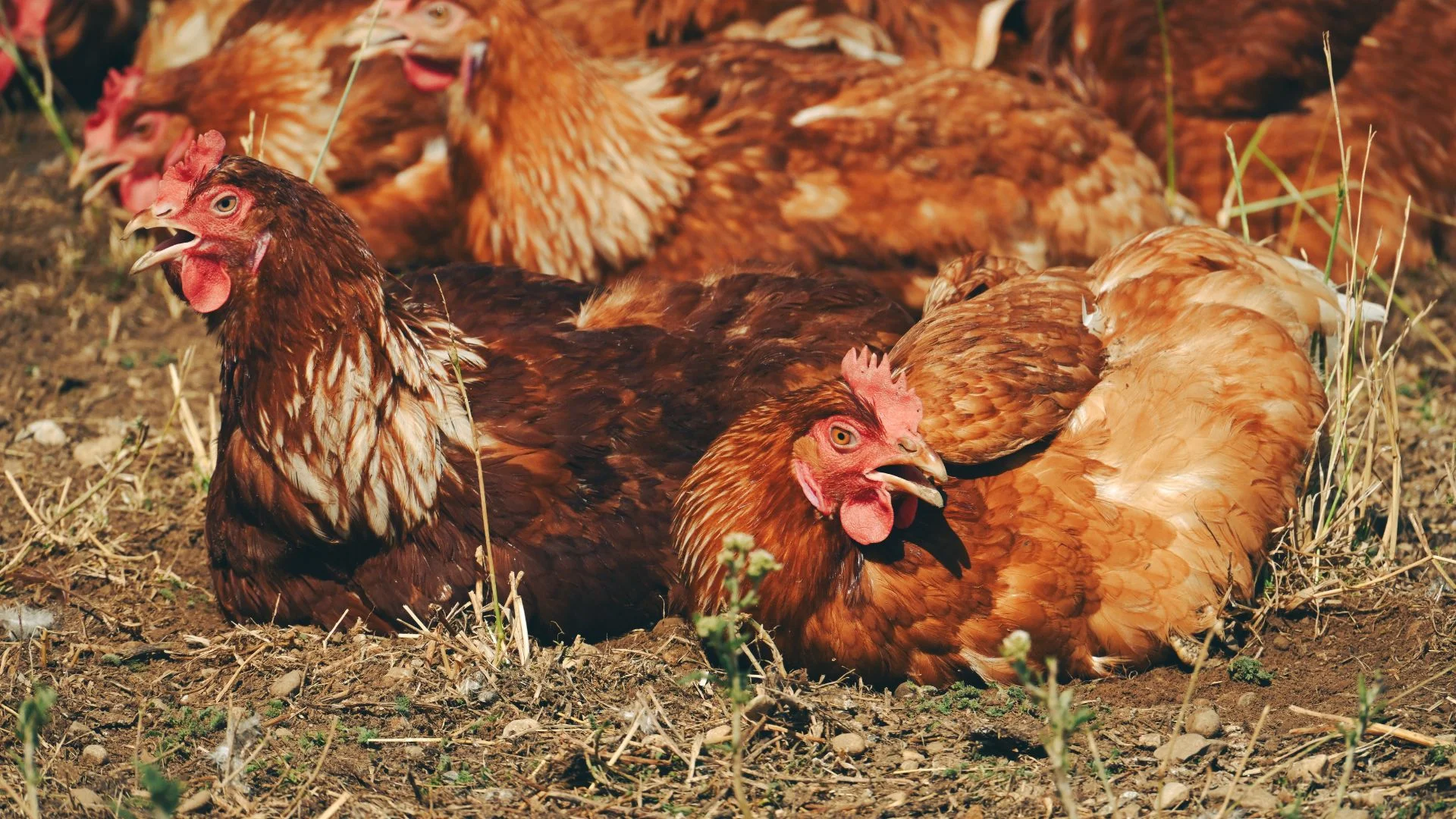
RRI.CO.ID, Jakarta - The Indonesian Ministry of Agriculture is linking animal welfare reforms with public health protection, urging a shift from battery cages to cage‑free systems for laying hens.
Officials say the move is not only about ethical farming but also about reducing the risks of antimicrobial resistance (AMR), a growing global threat. "Antimicrobial resistance is something we greatly fear," the ministry's Veterinary Public Health Director I Ketut Wirata, said at an event in Central Jakarta, on Saturday, September 5, 2026, as quoted by Antara.
"One study even warns that if no solution is found, AMR could become a terrifying global problem by 2050," he added.
Battery cage systems restrict each hen to just 450 square centimeters, smaller than a sheet of A4 paper, preventing natural behaviors such as wing‑flapping, perching, dust‑bathing, and nesting.
A 2019 study by the European Food Safety Authority (EFSA) found that Salmonella prevalence in eggs from battery cages was 25 percent higher than in cage‑free systems.
Ketut emphasized that animal welfare must follow the universal Five Freedoms, ensuring livestock are free from hunger, thirst, pain, stress, and able to express natural behavior.
Cage‑free practices have already begun in regions such as West Java and Bali, supported by Ministerial Regulation No. 32/2025 as the legal foundation. Farmers like Roby Gandawijaya of PT Inti Prima Satwa Sejahtera say adoption is easier now thanks to training centers in Yogyakarta.
“Cage‑free eggs cost about 30 percent more, but consumers are paying for responsible food--eggs from hens whose freedoms are respected,” Roby explained.
The system requires larger land areas, lower productivity, and higher costs since antibiotics are rarely used. “We avoid antibiotics almost entirely, relying instead on natural supplements like turmeric to maintain chicken health,” Roby concluded. ***
News Recomendation
Memuat berita terbaru.....