



Promoting Safety, Equity for Women in Palm Oil Sector
- 28 Agt 2026 19:48 WIB
- Voice of Indonesia
Poin Utama
- Protecting the rights of female workers is essential to building a sustainable palm oil industry.
- Some palm oil companies have set up complaint channels to address issues such as gender discrimination, inequality, and labor-related problems.
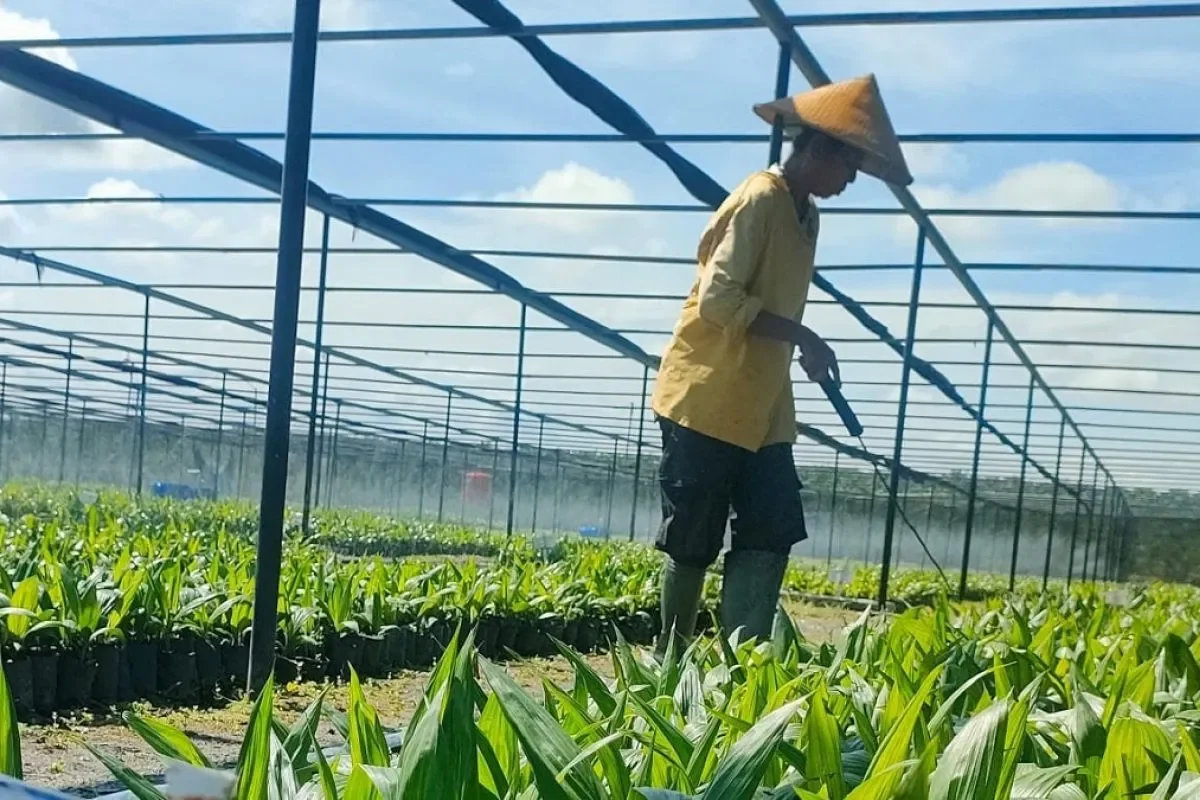
RRI.CO.ID, Jakarta - Protecting the rights of female workers is essential to building a sustainable and inclusive palm oil industry. Industry players are strengthening mechanisms such as gender equality measures and complaint channels for women facing workplace issues.
Head of the Positive Campaign Division at the Indonesian Palm Oil Association (GAPKI), Edi Suhardi, said the industry continues to promote the protection and empowerment of female workers by upholding labor rights and ensuring a safe, equitable work environment.
“At GAPKI, we have issued technical guidelines or implementation instructions on mainstreaming gender in palm oil plantations,” Edi said in a statement in Jakarta on Thursday, August 27, 2026, as reported by Antara.
He noted that gender equality principles have been adopted into various regulations and certification schemes, including the Indonesian Sustainable Palm Oil (ISPO) standard and the Roundtable on Sustainable Palm Oil (RSPO) standard.
These principles are reflected in the practices of many palm oil companies. Numerous plantations have established standard operating procedures (SOPs) on gender equality and formed gender committees, as required by the RSPO.
“The palm oil industry is increasingly aligning with gender equality standards. Most plantations now have SOPs on gender equality and gender committees at both corporate and field levels,” he said.
Gender committees aim to raise awareness about equality and provide platforms for female workers to voice their aspirations and report workplace issues.
Several palm oil companies have also created complaint channels to address problems ranging from gender discrimination to labor-related concerns. These channels guarantee confidentiality and ensure follow-up. Protection is further strengthened through outreach and education on women’s rights.
“In the past, many women who assisted their husbands were not paid. That is no longer acceptable. Women’s rights are now guaranteed,” Edi said.
He emphasized that fulfilling female workers’ rights is part of governance transformation within the palm oil sector. Women should no longer be viewed merely as individuals supporting family economic activities; they must be recognized as workers entitled to labor rights.
This commitment aligns with government efforts led by the Oil Palm Plantation Fund Management Agency (BPDP) to build an industry that provides equal opportunities for women and men to participate in, contribute to, and benefit from its development.
BPDP continues to promote institutional capacity building, increase female participation in the palm oil sector, and strengthen sustainable industry governance.
At the corporate level, protection mechanisms extend beyond internal systems. Edi noted that workers may file reports or complaints with the labor office if they face workplace issues.
He added that evolving regulations, certification standards, government oversight, and monitoring by non-governmental organizations (NGOs) are pushing companies to operationalize gender equality principles in daily operations.
“In reality, there is no longer any room for companies to avoid gender mainstreaming or fail to implement gender equality in their business activities,” he said.
“The government and NGOs strictly enforce oversight and conduct constant monitoring,” Edi added. ***
News Recomendation
Memuat berita terbaru.....