



Push to Strengthen Women’s Political Representation in Election Law Revision
- 20 Agt 2026 23:58 WIB
- Voice of Indonesia
Poin Utama
- Women’s election to the DPR and DPRD has remained at 16–22 percent for more than two decades despite affirmative action policies.
- Revising the General Election Law is seen as a key opportunity to strengthen affirmative action and improve women’s chances of winning seats.
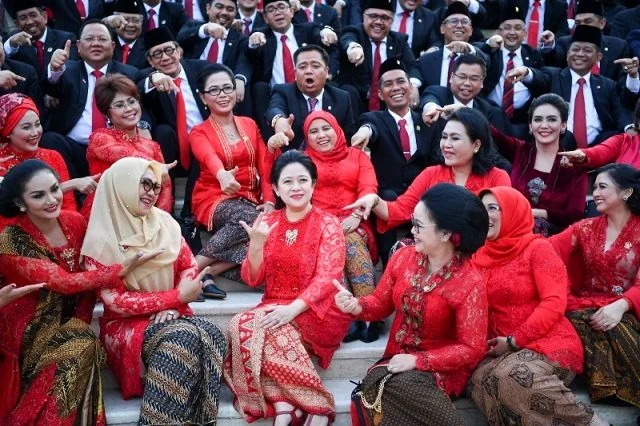
RRI.CO.ID, Jakarta - A study by the Ministry of Women’s Empowerment and Child Protection (KemenPPPA), conducted with the Center for Political Studies at the University of Indonesia, found that the election rate of women to the House of Representatives (DPR RI) and regional legislative councils (DPRD) has remained between 16 and 22 percent for more than two decades of affirmative action policies.
The findings indicate that affirmative action measures to strengthen women’s political representation must be reinforced to produce meaningful change.
Deputy Speaker of the People’s Consultative Assembly (MPR RI), Lestari Moerdijat, said efforts to increase women’s representation require stronger regulations and mechanisms that improve women’s chances of being elected to legislative bodies.
“We need a movement that goes beyond administration or tokenism. Let’s turn this into a national movement backed by legal force. The entry point is revising the General Election Law,” Lestari said during a Focus Group Discussion (FGD) in Jakarta on Thursday, August 19, 2026, as quoted by Antara.
She said revising the law provides an opportunity to improve the effectiveness of affirmative action policies. Ensuring female candidates appear on ballots is not enough. Representation requires mechanisms that increase their likelihood of winning seats.
Women’s representation, she added, is essential for public policies that are responsive, participatory, and equitable. Pursuing this agenda consistently is necessary to achieve change in legislative institutions.
Lestari emphasized that women must be politically capable and empowered, not merely compliant with regulatory requirements. Strengthening women’s knowledge, empowerment, and leadership is crucial so they can compete and take on key roles in politics.
“We need to discuss gender studies and leadership, but above all, we must reshape women’s mindsets so they understand that their place is in politics, not in the background,” she said.
Meanwhile, women currently hold 37 percent of seats in the Regional Representative Council (DPD RI). This achievement shows that affirmative action policies can be strengthened to increase women’s representation more effectively and equitably across all legislative bodies. ***
News Recomendation
Memuat berita terbaru.....