



Does Wearing a Mask Keep Your Health Safe from Smoke?
- 31 Agt 2026 16:13 WIB
- Voice of Indonesia
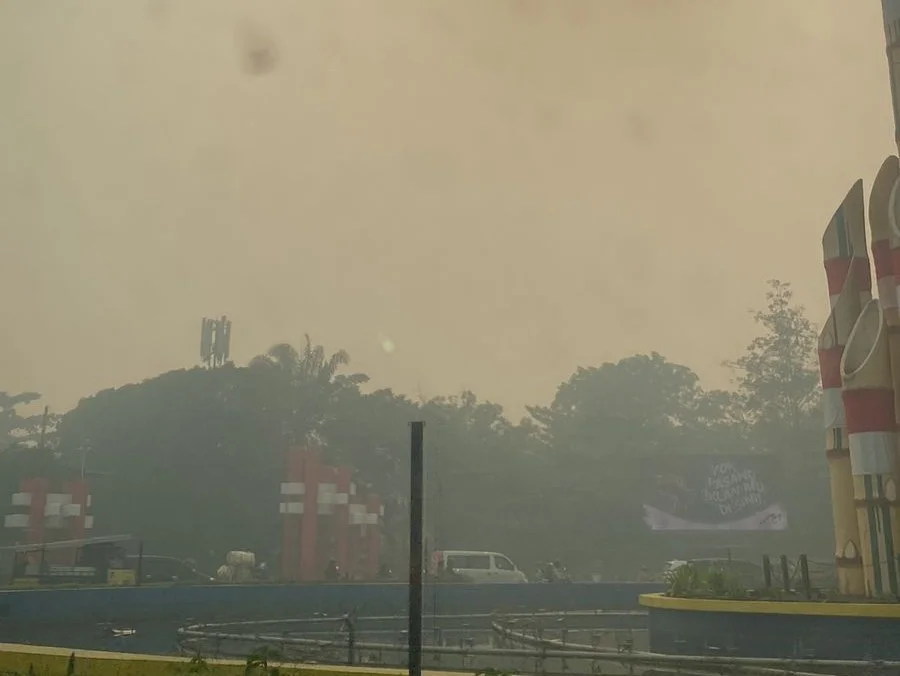
RRI.CO.ID, Jakarta - Wearing a properly fitted mask can help reduce exposure to smoke and fine particles during haze or wildfire episodes, but it should not be considered a complete shield against air pollution. Primary Care Family Medicine Specialist, dr. Aghnaa Gayatri, on Thursday, August 27, 2026 told RRI Voice of Indonesia that reducing unnecessary outdoor activities and staying indoors whenever possible is still the most effective protection.
For people who must go outdoors, she said that a properly fitted N95 or KN95 particulate respirator can substantially reduce the inhalation of fine particles compared with loose surgical or cloth masks. However, the mask must fit tightly around the cheeks and face to provide effective protection.
An N95 or KN95 is a type of particulate respirator designed to filter airborne particles, including fine particles found in smoke and air pollution. According to the U.S. Centers for Disease Control and Prevention (CDC), N95 respirators filter at least 95 percent of airborne particles, while KN95 respirators are manufactured according to international standards and are designed to filter particles as well.
“A properly fitted N95 or KN95 type particulate respirator can substantially reduce inhalation of fine particles compared with a loose surgical cloth mask,” Gayatri said.
She also emphasized the importance of checking local air quality information, as clear skies do not necessarily mean that outdoor air is safe to breathe. During haze or wildfire events, people should monitor air quality before deciding whether to exercise, work, or spend extended periods outdoors.
However, masks do not eliminate exposure to all pollutants. Particulate respirators such as N95 or KN95 masks do not protect against gases such as carbon monoxide, meaning avoiding or reducing exposure remains the most important precaution.
“But it's not a magical shield. I mean it doesn't eliminate exposure to gases such as carbon monoxide,” Gayatri explained, as it’s still important to stay indoors. The CDC also stated that particulate respirators do not protect against gases or vapors, so they should not be considered complete protection from wildfire smoke or other forms of air pollution.
She also cautioned people with allergies, asthma, chronic obstructive pulmonary disease, or cardiovascular conditions should also be particularly cautious during periods of poor air quality. Knowing one's health limitations and avoiding prolonged exposure to dust and polluted air can help prevent existing conditions from worsening.
Overall, she explained that wearing a well-fitted N95 or KN95 mask can provide an additional layer of protection from smoke particles, but it is not a magical shield. When air quality deteriorates, the safest approach is to minimize outdoor exposure, choose indoor activities when possible, and use appropriate respiratory protection when going outside is unavoidable.
News Recomendation
Memuat berita terbaru.....