



Turning Kitchen Waste into a Source of Protein thru Earthworms
- 09 Agt 2026 22:12 WIB
- Voice of Indonesia
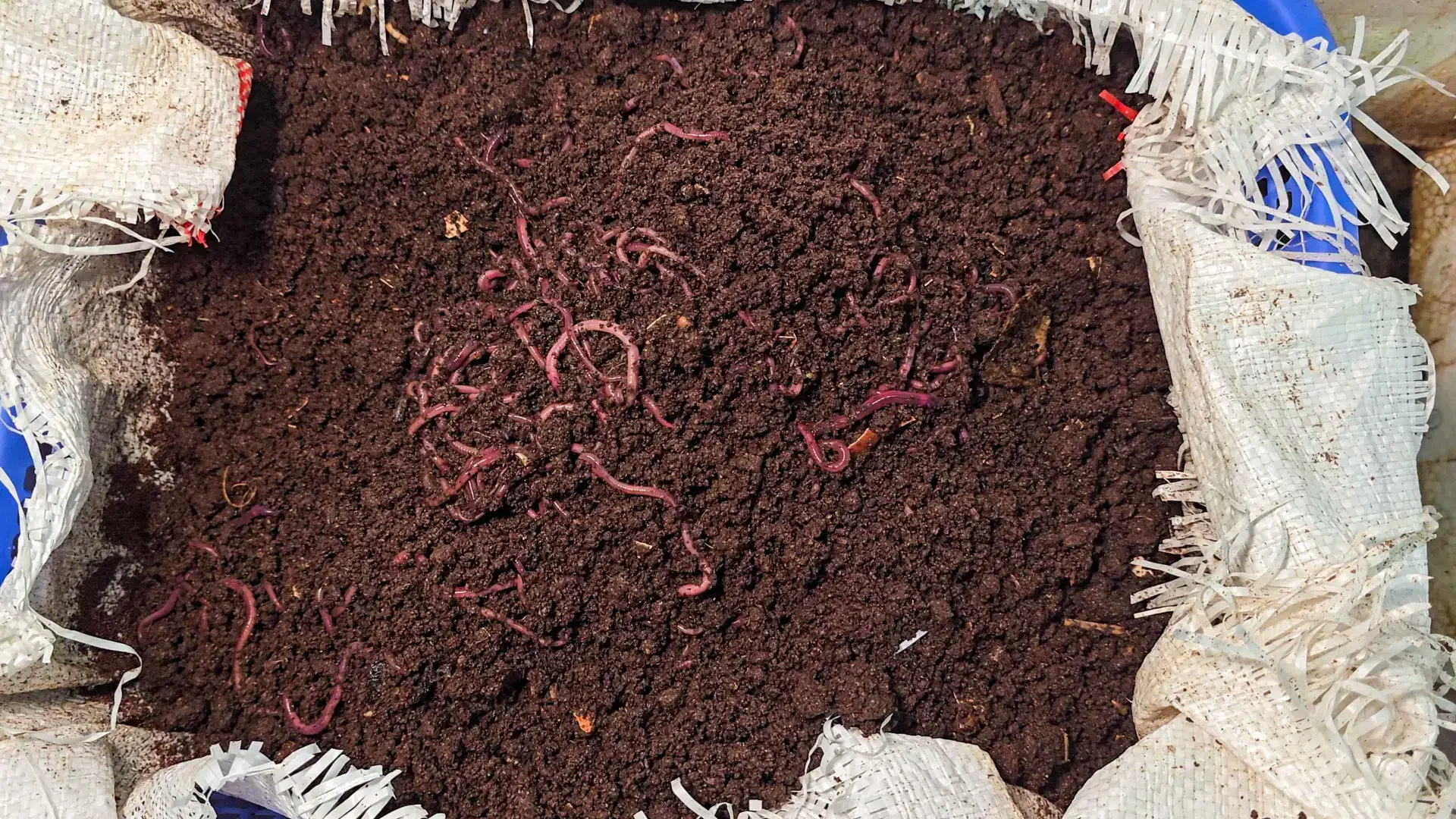
RRI.CO.ID, Jakarta - Household organic waste, such as fruit peels and food scraps, has often been considered a problem because it causes odors and pollutes the environment. However, this waste can actually be transformed into a high-value protein source thru earthworm cultivation.
This process works by utilizing worms as natural decomposers of organic waste. The worms consume the food scraps and then grow into nutrient-rich biomass, including protein, amino acids, and fatty acids.
This approach is relevant for almost all households in the world, considering that organic waste has become a global issue that continues to grow with the increase in population. With worm farming, waste that usually ends up in landfills can be processed independently and generate new economic value.
One of the main advantages of earthworms as an alternative protein source is their status of not competing with human food needs. Unlike other animal protein sources that often trigger food-feed competition issues, earthworms can be cultivated without taking resources that are also needed by humans.
In terms of cost, this method is relatively cheap and accessible because the raw materials, namely organic waste, are available for free in almost every household. Additionally, earthworms are relatively easy to maintain without requiring large land or special equipment.
Worm farming can be done on a household scale with simple containers, making it a practically applicable solution for anyone. This model is also flexible to adapt to various environmental conditions, ranging from densely populated urban areas to rural regions.
Amid the growing global awareness of waste management and sustainable food security, earthworm farming offers a simple yet far-reaching circular economy model. If further developed, this approach has the potential to become a long-term solution for the challenges of organic waste and the need for alternative protein in various parts of the world.
News Recomendation
Memuat berita terbaru.....