



Loss of Sumatran Tapir in Lampung Undermines Forest Ecosystem Balance
- 05 Jul 2026 04:21 WIB
- Voice of Indonesia
Key Points
- Rescued Sumatran tapir killed in Mesuji, Lampung, exposing weak conservation awareness.
- Tapirs play a vital ecological role as seed dispersers sustaining Sumatra’s tropical forests.
- Experts urge stronger conservation education and community awareness to protect wildlife.
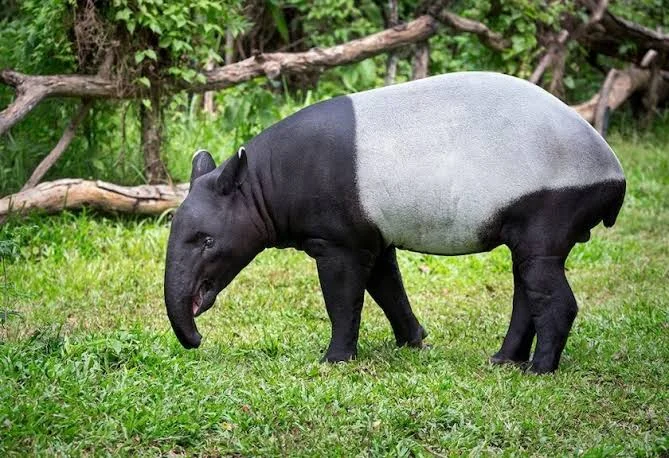
RRI.CO.ID, Bandar Lampung - The death of a rescued Sumatran tapir (Tapirus indicus) in Mesuji, Lampung, is more than the loss of a rare animal; it represents a break in the ecological chain that sustains Sumatra’s tropical forests.
The tapir, guided back into Register 45 Forest after being saved, was killed and consumed by residents on Thursday, July 2, exposing the fragility of conservation awareness in local communities.
With only 400–500 individuals estimated to remain in the wild, every tapir plays a crucial role. As herbivores, they disperse seeds through their droppings, enabling forest regeneration and maintaining biodiversity.
Their disappearance narrows the chances of survival for the species and weakens the natural processes that keep ecosystems resilient.
Tapirs are shy, nocturnal creatures, easily recognized by their black‑and‑white markings and trunk‑like snout. Yet their habitats continue to shrink due to deforestation and human encroachment.
In Lampung, conservation data show populations have declined sharply, making the Mesuji incident a serious setback for ongoing efforts by government, academics, civil society, and private partners.
Police have detained four of six suspects, who face prosecution under Indonesia’s conservation law. Officials stress that wild animals leaving forests often do so because of habitat loss, reduced food sources, or seasonal pressures. The proper response, they emphasize, is rescue, not hunting.
Director of Species and Genetic Conservation at the Indonesian Ministry of Forestry, Ahmad Munawir, urged communities to report wildlife sightings to conservation agencies.
“Wild animals are naturally afraid of humans. We must avoid destroying habitats or reducing food sources, and ensure biodiversity remains intact,” he said, as quoted by Antara.
Conservationists argue that long‑term solutions lie in education. Early environmental lessons in schools can nurture future generations who value biodiversity, while adults benefit from approaches rooted in local wisdom.
In Lampung, the Way Seputih Conservation Foundation (YKWS) integrates conservation messages into religious gatherings and cultural traditions, reinforcing values of stewardship through familiar community practices.
“Conservation education must be continuous, not a one‑time effort,” said YKWS Executive Director Febrilia Ekawati, noting the vital role of forest‑edge communities in protecting wildlife.
The killing of the Mesuji tapir should serve as a turning point. Protecting wildlife is not only about saving individual species but about safeguarding the ecological balance that sustains human life.
Strengthening conservation education and awareness is essential to ensure that biodiversity remains a living legacy for generations to come. ***
News Recomendation
Loading latest news.....