



Kadin Indonesia Urges Action as Imports Outpace Exports
- 02 Okt 2026 16:20 WIB
- Voice of Indonesia
Poin Utama
- Indonesia’s imports surged 19.94 percent, far outpacing 4.43 percent export growth in January-July 2026.
- Kadin Indonesia urges productive imports to drive manufacturing capacity, value-added exports, and stronger domestic supply chains.
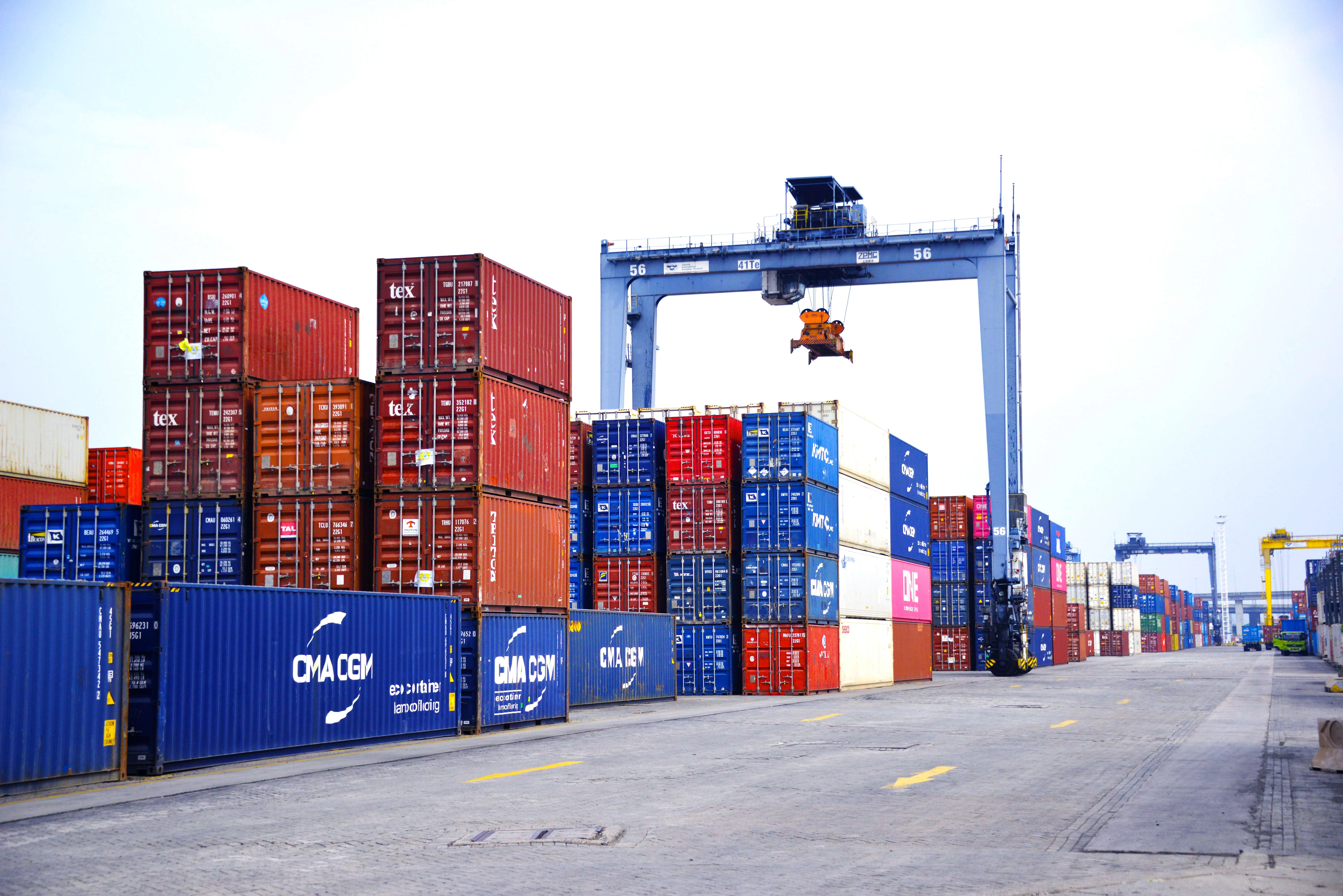
RRI.CO.ID, Jakarta – The performance of Indonesia's trade sector is experiencing an imbalance in growth. Exports remain positive, but imports have grown much faster during January-July 2026.
Deputy Chairman for Industry at the Indonesian Chamber of Commerce and Industry (Kadin Indonesia), Saleh Husin, said that exports still have room for growth through the end of the year.
“This growth is primarily driven by the manufacturing sector, which serves as the backbone of exports,” Saleh said in a statement in Jakarta on Thursday, October 1, 2026, as quoted by Antara.
Data for January–July shows that Indonesia’s exports grew by 4.43 percent. During the same period, imports surged by 19.94 percent, growing at more than a fourfold rate compared to export growth.
Saleh noted that the surge in imports does not fully reflect the pressure on trade. A total of 91.33 percent of imports consisted of raw or auxiliary materials and capital goods related to production and investment.
“The much faster growth of imports compared to exports warrants caution,” Saleh said.
According to Saleh, the key indicator is not merely the value of imports, but rather their impact on production capacity, productivity, and industrial exports. Therefore, productive imports must be accompanied by increased investment and manufacturing capacity.
The food and beverage, agro-industry, metals and mineral downstream processing, electronics, machinery, and automotive and components sectors are considered to have export potential.
The textile, apparel, footwear, and furniture industries still face challenges related to costs, productivity, technology, and global competition. “The focus needs to shift from commodity-based exports toward value-added manufactured products with a higher domestic content,” said Saleh.
He urged the government to strengthen competitiveness in energy and logistics, ensure the availability of raw materials, strengthen domestic supply chains, provide regulatory certainty, expand export markets, and promote downstream processing.
“In this way, current imports will not merely be a drain on foreign exchange reserves, but will become Indonesia’s production and export capacity in the future,” said Saleh. ***
News Recomendation
Memuat berita terbaru.....