



Ecuador Shrimp Imports Pressure Indonesia’s Domestic Market
- 16 Sep 2026 18:46 WIB
- Voice of Indonesia
Key Points
- Ecuadorian shrimp imports are pressuring Indonesia’s domestic market and local farmers.
- Higher production costs and import‑related risks are testing the resilience of Indonesia’s shrimp industry.
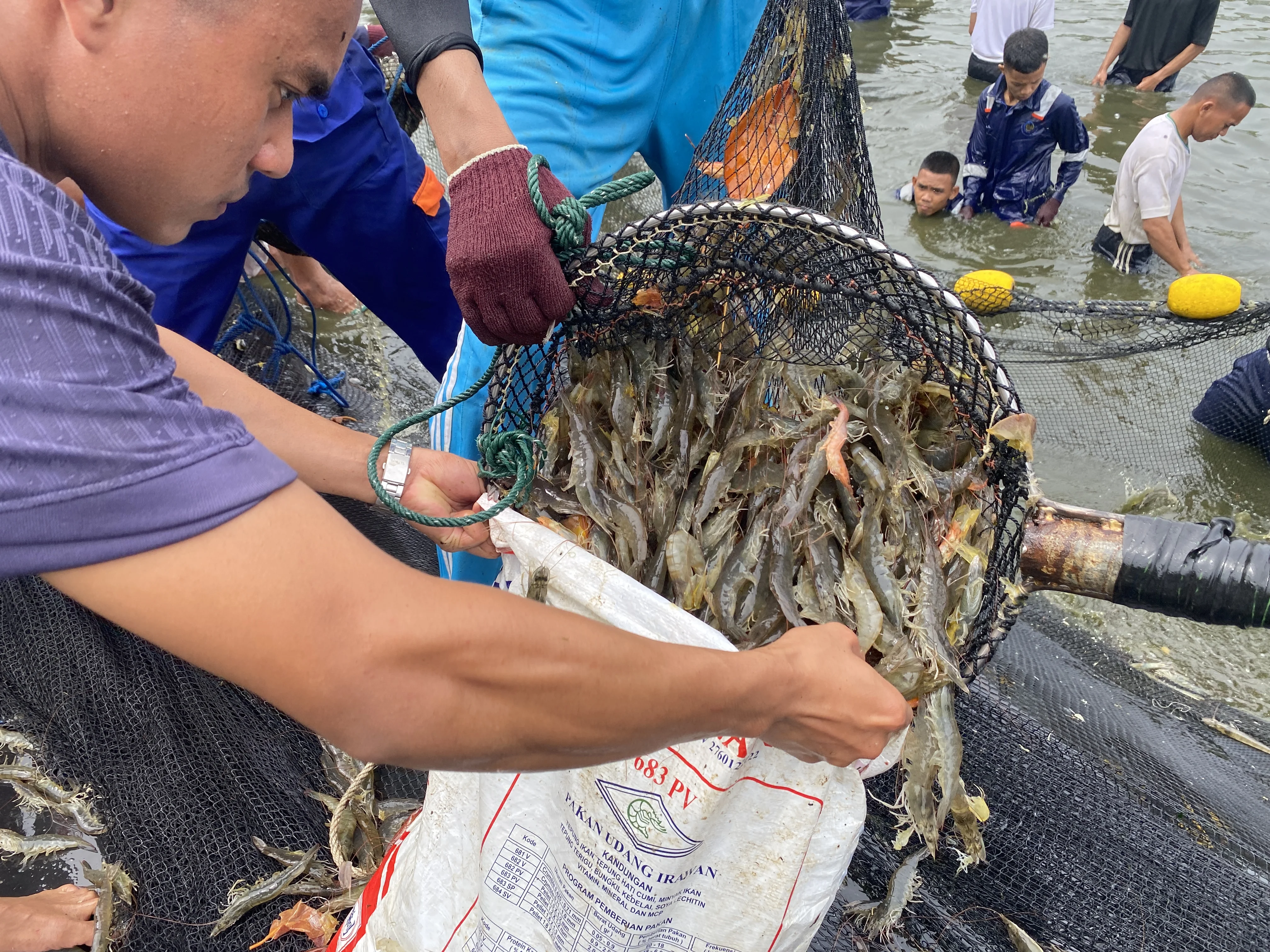
RRI.CO.ID, Jakarta – Shrimp imports are beginning to put pressure on Indonesia’s domestic market, prompting local farmers to urge the government to protect national production and strengthen competitiveness.
Council of Experts member of the Shrimp Club Indonesia (SCI), Hasanuddin Atjo, said the imports arrived just as domestic production was being increased to supply the processing industry.
“Indonesian shrimp farmers and aquaculturists are once again facing pressure following the entry of imported shrimp from Ecuador into the national market,” Hasanuddin said in a written statement in Jakarta on Wednesday, September 16, 2026, as quoted by Antara.
Indonesia’s shrimp production reached around 953,000 metric tons in 2021 and rose to 1.09 million metric tons in 2022, marking growth of about 15 percent. Shrimp remains Indonesia’s largest export commodity in the fisheries sector.
However, cost structures make it difficult for local farmers to compete. Hasanuddin noted that production costs for shrimp from Ecuador and India are about USD 1–1.5 per kilogram lower than those in Indonesia.
Meanwhile, feed, electricity, logistics, fuel, labor, and maintenance costs continue to weigh on domestic production. “This gap in production costs needs to be addressed immediately if Indonesia wants to maintain its position as one of the world’s leading shrimp producers and exporters,” he said.
The impact of imports is already visible in demand for pond‑raised shrimp. Several processors in East Java have temporarily stopped buying local shrimp because their factories are at capacity.
Hasanuddin also warned of the risk of disease entering the domestic market through imported shrimp. “Diseases that seep into the domestic market can disrupt market price stability,” he said.
He called on the government to halt imports and reduce domestic production costs. “It’s difficult for us to compete with other countries because our raw materials are more expensive. The most crucial thing is how to reduce production costs so that imported shrimp don’t enter the market,” he said.
According to Hasanuddin, prolonged imports could pressure shrimp farmers, upstream industries, workers, processors, and coastal economies. “The government must play its part to ensure that Indonesia’s shrimp industry regains its strength, thereby becoming one of the largest sources of foreign exchange for Indonesia,” he said.
The Ministry of Marine Affairs and Fisheries stated that 120 metric tons of vaname shrimp from Ecuador entered through Tanjung Perak Port in Surabaya in June as raw material for processing. The ministry did not issue an Import Requirement Plan for the product because the imports were made through a bonded zone facility. ***
News Recomendation
Loading latest news.....