



Cultural Figure Calls for Digitization of Hindu Sacred Literature
- 05 Okt 2026 17:34 WIB
- Voice of Indonesia
Poin Utama
- Digital technology offers new opportunities to introduce Hindu sacred literature to younger generations through social media, audiovisual content and creative digital platforms.
- Digital formats such as short videos, podcasts, illustrations, animations and interactive learning platforms can help broaden access to Hindu sacred literature.
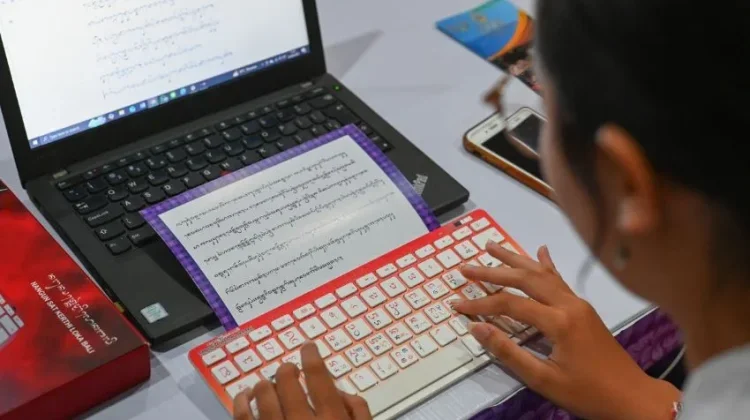
RRI.CO.ID, Denpasar - Advances in digital technology have created new opportunities to introduce Hindu sacred literature to younger generations. Social media, audiovisual content and various creative platforms can help make sacred literature more relevant and accessible to today's youth.
Balinese cultural figure I Kadek Wahyudita said Hindu sacred literature should not be viewed merely as a legacy of the past, but should continue to be read, recited, understood, and applied in everyday life. He said preserving sacred literature involves not only maintaining its form but also safeguarding the values and meanings it contains.
"Sacred literature should not merely be regarded as a legacy of the past. It must continue to be read, recited, understood, and actualized in people's lives. In this context, preservation does not simply mean maintaining its form, but also protecting the meaning and values contained within it," Wahyudita said.
According to Wahyudita, the challenge today is presenting sacred literature through language and media that resonate with younger generations. Digitization can serve as a way to broaden public exposure to sacred literature.
"The challenge is how sacred literature can be presented in language and media that are more relevant to today's generation. Digitization, social media, audiovisual content and various creative platforms can become new channels for introducing Dharma Gita to a wider audience," he said.
He said efforts to introduce sacred literature could expand through digital content such as short videos, podcasts, illustrations, animations, and interactive learning platforms. Young people, he added, should not only be audiences or competition participants but also creators and communicators of Hindu sacred literature.
"For example, Dharma Gita texts can be introduced through digital content, short videos, podcasts, illustrations, animations and interactive learning platforms. In this way, young people can become not only viewers or competition participants, but also creators and communicators of Hindu sacred literature," he said.
Wahyudita said sacred literature should be introduced by demonstrating its relevance to everyday life. Values such as Dharma, purity of thought, self-control, compassion, harmony and respect for nature remain relevant to younger generations.
"The best way to attract young people to tradition is not by taking them back to the past, but by bringing the values of the past into the context of their lives today," he said.
According to Wahyudita, the sustainability of sacred literature cannot be measured solely by the success of an event or competition. A tradition endures when future generations develop a sense of ownership, understand its values, and are able to put them into practice.
"A tradition will endure when future generations feel that it belongs to them, understand it and are able to actualize it. Success is not simply measured by the number of participants or by who wins, but by how far an activity succeeds in helping a generation become familiar with its sacred literature, understand its spiritual values, appreciate its culture and carry it forward into the present and the future," he said.
He emphasized that preserving Hindu sacred literature is ultimately not just about preventing the texts from disappearing. More importantly, it is about ensuring that the wisdom they contain continues to live in the thoughts, hearts, and actions of the community. (Annaila Azzahra)
News Recomendation
Memuat berita terbaru.....