



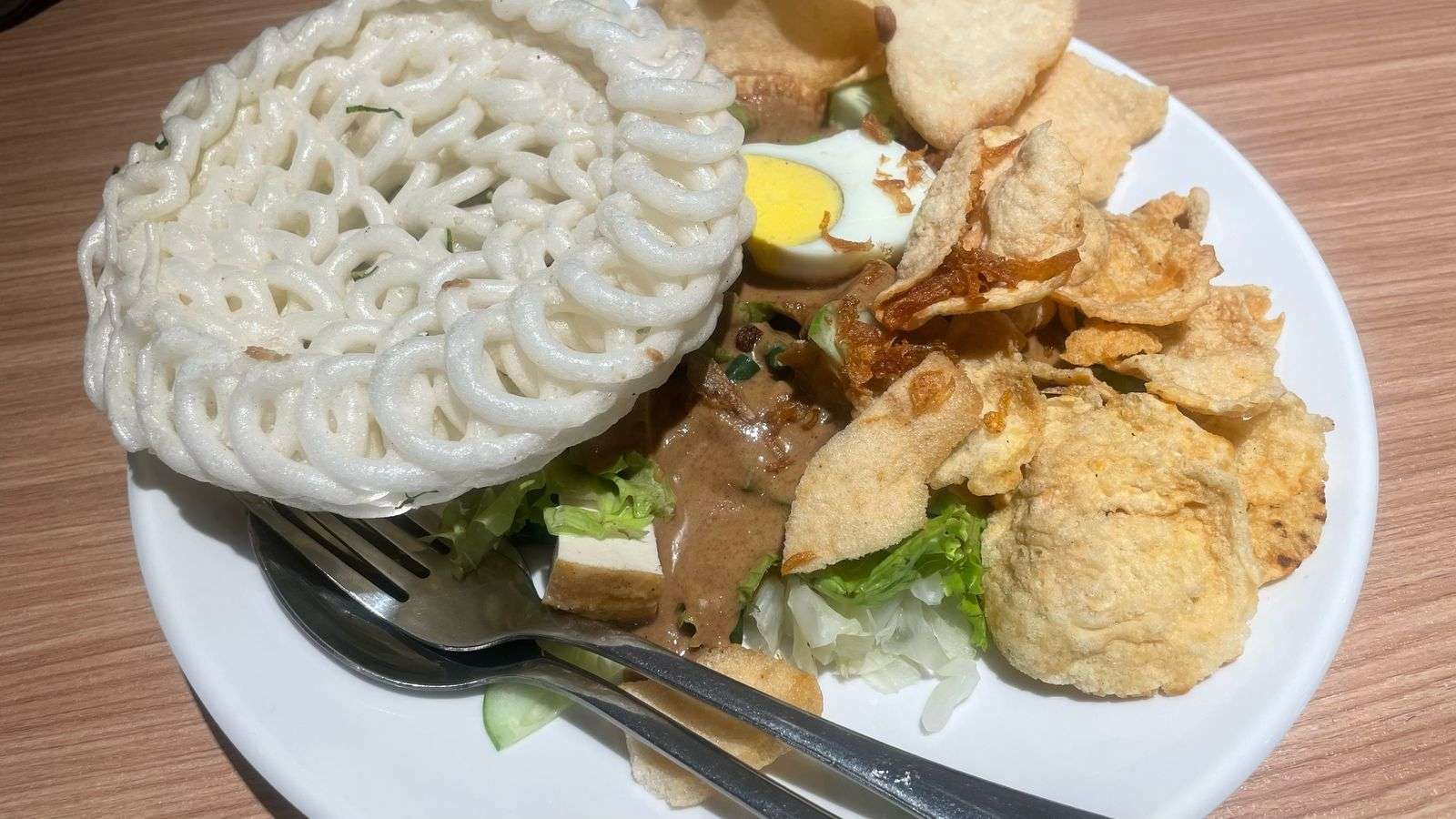
KBRN, Jakarta: if you’ve ever dined in Indonesia, you’ve likely noticed that almost every meal is accompanied by a side of crispy crackers, known locally as kerupuk. Whether paired with rice dishes, noodles, or soups, kerupuk is more than just a crunchy snack—it's a beloved staple that enhances the dining experience, deeply rooted in culture, texture, and tradition.
One of the main reasons Indonesians love kerupuk is the delightful texture it adds to a meal. Many traditional Indonesian dishes, like soto (savory soup) and gado-gado (Indonesian salad with peanut sauce), feature soft or saucy textures, and kerupuk provides a satisfying crunch that creates a dynamic eating experience.
In addition to texture, kerupuk also enhances the flavor of a meal. Variants such as kerupuk udang (shrimp crackers) or emping (bitternut crackers) bring unique umami or slightly bitter notes, complementing the dish with a subtle but distinct flavor boost.
Affordability and accessibility are key factors behind kerupuk’s widespread popularity. Available at street stalls, traditional markets, and even high-end restaurants, kerupuk is an inexpensive yet essential addition to meals, often served in baskets on dining tables for easy access during meals.
Culturally, kerupuk holds nostalgic value for many Indonesians. It’s frequently associated with fond memories, such as snacking during family gatherings or competing in the popular kerupuk eating contest during Indonesia’s Independence Day celebrations, making it a comforting and cherished part of the culture.
The versatility of kerupuk only adds to its appeal. Made from various ingredients like tapioca, fish, or rice flour, there is a type to suit every dish, ranging from light and airy fried varieties to smokier, grilled versions, ensuring kerupuk remains a key element in Indonesian cuisine.
Socially, kerupuk plays an important role as well. In Indonesia, meals are often shared, and passing around a plate of kerupuk fosters a sense of togetherness, turning every meal into a communal experience and enhancing the enjoyment of food.
Health-conscious consumers have explored alternatives, such as baked versions of kerupuk, in response to health concerns. However, the traditional deep-fried version remains the most popular due to its signature crispiness, which is a defining characteristic of kerupuk.
For travelers visiting Indonesia, trying kerupuk is an essential experience. Whether dipped into soup, crushed over rice, or enjoyed on its own, this humble yet iconic snack adds a layer of joy and authenticity to every meal.
Ultimately, the love for kerupuk goes beyond its role as food—it's about tradition, nostalgia, and the simple pleasure of a satisfying crunch. So, the next time you enjoy an Indonesian dish, don’t forget to add a piece of kerupuk to complete your meal and savor its timeless charm.
News Recomendation
Loading latest news.....