



Baksa Kembang Dance: A Symbol of Hospitality and Cultural Identity of South Kalimantan
- 30 Jan 2026 14:05 WIB
- Voice of Indonesia
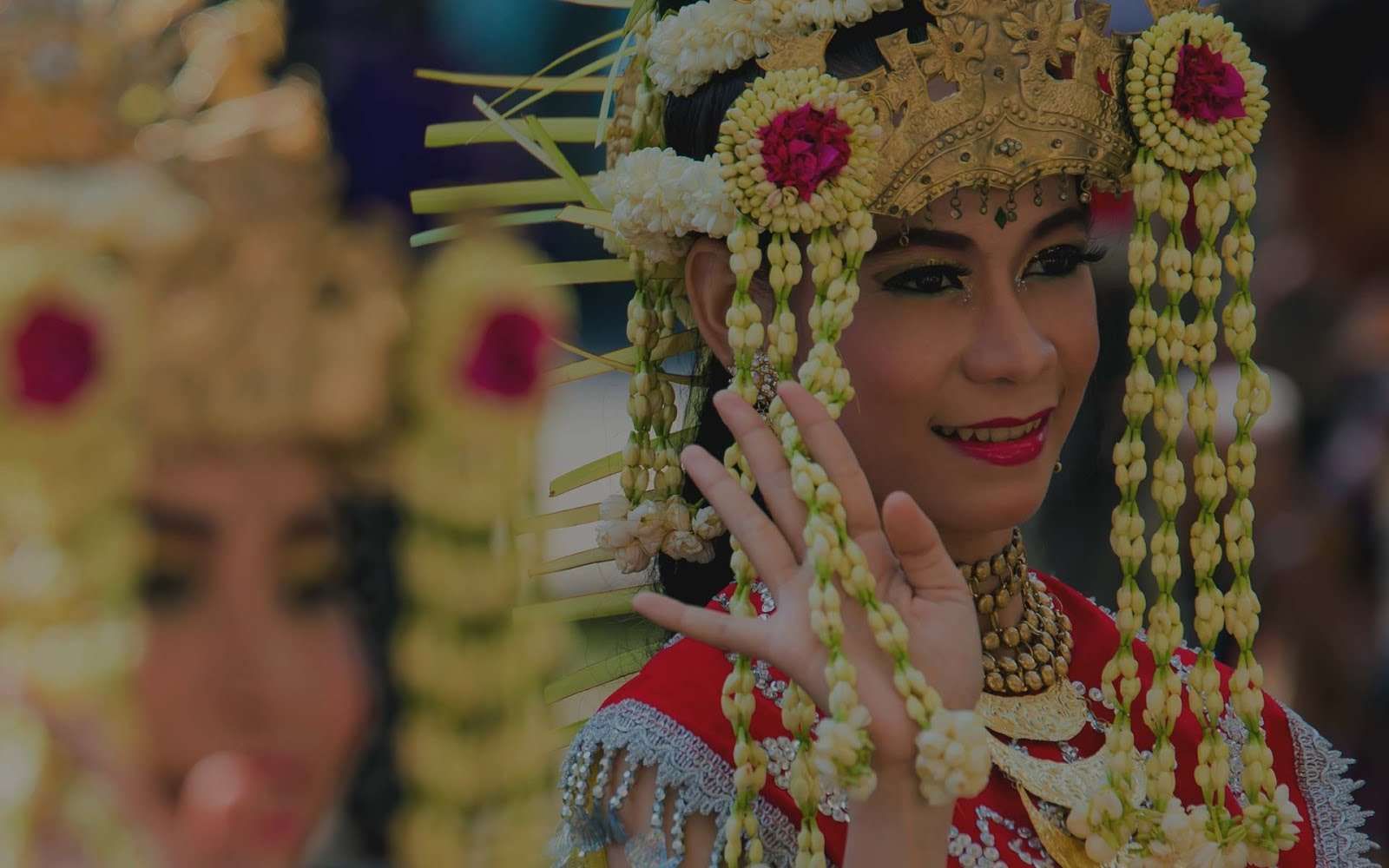
RRI.CO.ID, Banjarbaru: The Baksa Kembang Dance is not simply a traditional dance, but rather a representation of the values of hospitality and refined manners of the people of South Kalimantan. Through gentle movements and meaningful floral props, this dance serves as a cultural medium for conveying respect to visiting guests.
As a welcoming dance, the Baksa Kembang Dance reflects the Banjarese tradition of honoring guests. The flowers carried by the dancers are not merely decorations, but symbols of sincerity, beauty, and good wishes for the welcomed guests. This dance is generally performed by female dancers, either solo or in groups, with an odd number of dancers being its hallmark.
As quoted by website of Banjarmasin Department of Culture, Youth, Sports and Tourism Agency, initially, the Baksa Kembang Dance was performed only within the Banjarese Kingdom to welcome honored guests and the royal family. As the kingdom opened its doors to the public, this dance became widely known and developed into an important part of South Kalimantan's cultural identity.
Over its history, the Baksa Kembang Dance has undergone various developments and given rise to several versions, such as Lagureh, Tapung Tali, Kijik, and Jumanang. Despite its diverse forms, the artists agreed to unify the main elements of these various versions to maintain the original style. The result is the standard Baksa Kembang Dance, known and performed to this day.
The elegance of this dance is further enhanced by the distinctive costumes and accessories worn by the dancers. The elephant crown adorned with bogam flowers (a decoration of roses, jasmine, kantil and kenanga flowers) and woven young coconut leaves, or halilipan, symbolizes the beauty and refinement of Banjar art. The scarves worn by the dancers further enhance the soft and graceful feel of each movement.
The Baksa Kembang Dance depicts teenage girls playing in a flower garden. With graceful movements, the dancers pick flowers and arrange them into bogam flowers, which are then presented to guests as a sign of respect and friendship.
Today, the Baksa Kembang Dance is often performed at various traditional events, official guest receptions, and cultural festivals. Innovations in costume and movement variations have been added without losing its traditional values. This effort is part of cultural preservation to ensure the Baksa Kembang Dance remains alive, relevant, and recognized by the younger generation as a valuable cultural heritage of South Kalimantan.
News Recomendation
Loading latest news.....