



The Kataga Dance: From Tribal Warfare to Cultural Heritage in West Sumba
- 27 Feb 2026 14:42 WIB
- Voice of Indonesia
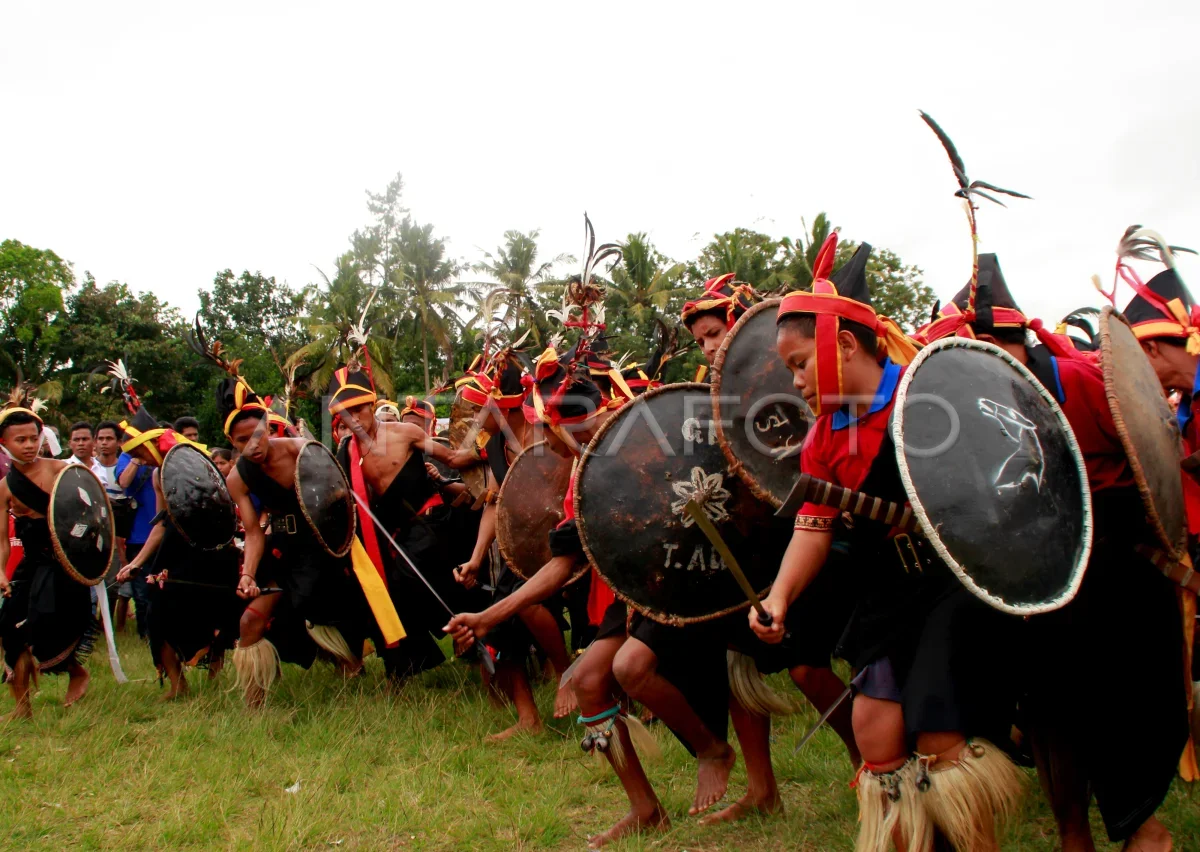
RRI.CO.ID, Sumba - In West Sumba, there is a dance born not from a party, but from the tension and clanging of weapons. It's called the Kataga dance.
The word "kataga" itself comes from the word "taga," which means to split the head or behead. Combined with the prefix "ka," kataga means "let's cut off/split the head."
This dance once embodied a vivid image of inter-tribal warfare. Today, it exists as a cultural performance that preserves the collective memory of the Sumbanese people. This change makes Kataga so compelling: from a victory ritual to a symbol of courage and honor displayed in traditional spaces and festivals.
As reported by tourisminfo.nttprov.go.id, this dance is rooted in the tradition of duels that once took place in the Anakalang region, a megalithic village in Sumba. In the past, inter-clan conflicts were not uncommon. The victorious party even took home the enemy's head as a sign of supremacy.
The skull was hung from a tree in front of the house as a symbol of strength. However, when peace was achieved, the head could be taken back by the family for a traditional burial as a sign of reconciliation.
After the abolition of fighting, the warriors' combat movements did not simply disappear. They were immortalized in dance. Kataga became a new medium for commemorating bravery without the need for bloodshed.
As a war dance, Kataga is performed by men with swords and shields. The number of dancers is not limited, but usually around eight to ten, divided into two opposing groups.
Four main movements form the foundation of the performance: Kataga Horung: one step forward, half a step back—a strategy for both attack and defense.
Kataga Harama: an aggressive movement to attack while maintaining ranks. Kataga Pitak: a running start before jumping to attack.
Kataga Negu: movements accompanied by shouts, the body bent, the sword raised and lowered in a firm rhythm.
The movements are explosive and rhythmic, even resembling physical exercises like squats or vertical jumps. This athletic element emphasizes Kataga's character as a representation of agility and strength.
The atmosphere is further enlivened by the accompaniment of gongs and drums played by five to six dancers. The rapid jingling combines with the jingling of bells at the dancers' feet and poetry that tells the story of the causes of war. All elements create a distinctive soundscape; loud, assertive, and rousing.
Kataga also serves as a stage for the beauty of Sumba's traditional ikat weaving. Dancers wear woven cloth around their waists, shorts, and large, dark belts. Some go bare-chested, while others wear simple tops.
On their heads, rowa or kapauta (headbands of varying colors and shapes, from yellow to black) are worn, conical. Below the knees are kaleliwihi, horsehair accessories with small bells that ring every time the feet strike the ground. The buffalo-hide shields and the swung swords are not mere props. They are symbols of courage and reminders of the people's historical roots.
Today, Kataga Dance no longer represents conflict. It is featured in traditional ceremonies, house construction, village founding, weddings, and cultural festivals welcoming honored guests.
Through these stages, Kataga serves as a cultural education platform for the younger generation. The values passed down are no longer about hostility, but rather about the courage to uphold truth, uphold honor, and preserve identity.
The transformation of Kataga demonstrates one important point: culture can adapt without losing its identity. From the battlefield to the cultural stage, Kataga remains steadfast, a living pulse of history in Sumba. ***
News Recomendation
Loading latest news.....