


Sound Horeg: Shaking Up Culture, Creativity, and Controversy in Indonesia
- 13 Agt 2025 10:04 WIB
- Voice of Indonesia
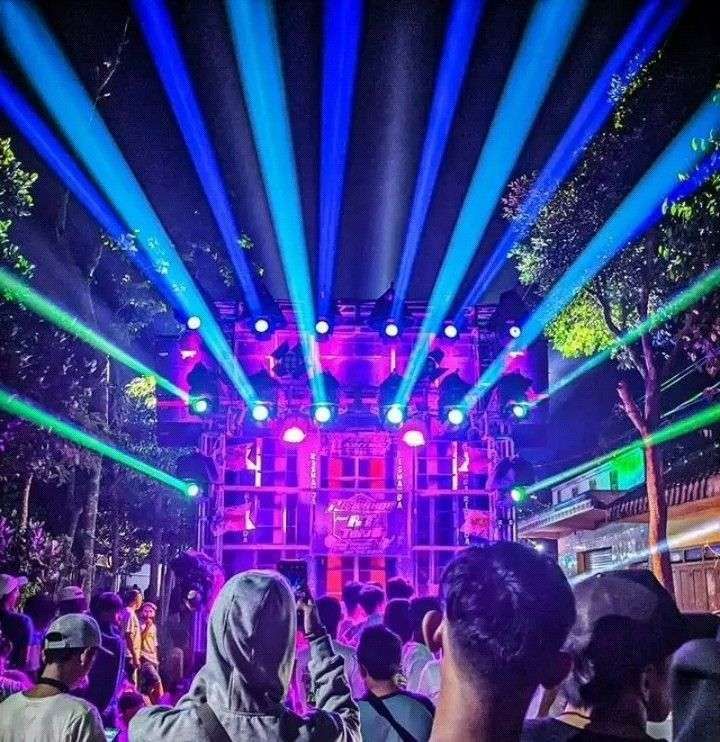
KBRN, Jakarta: A cultural and commercial phenomenon, sound horeg has become a vibrant yet contentious feature of public entertainment across Indonesia.
Originating from grassroots ingenuity in East Java, where the term "horeg" is Javanese slang for "shaking," this trend involves massive sound systems with powerful bass that literally vibrate the ground.
The spectacles are a staple at weddings, parades, and other community celebrations, often accompanied by unique song remixes and dazzling visual displays.
While popular, the booming sounds have also sparked public debate, with many complaining that the high decibel levels disrupt peace and cause structural damage to nearby buildings.
However, beyond the noise, the phenomenon presents a unique challenge for policymakers and a new opportunity for creators: how to protect the intellectual property (IP) behind it.
“We must first be able to distinguish between a form of creativity that is important to protect under IP law and the negative impacts on society,” said Agung Damarsasongko, Director of Copyright and Industrial Design, in an interview at the Directorate General of Intellectual Property (DJKI) office as reported by www.dgip.go.id.
According to Agung, the IP discussion is crucial because each sound horeg setup is a result of individual creativity that deserves legal protection. He explained that multiple IP objects can exist within a single sound horeg performance.
For instance, the technology used to produce the high-decibel sound could be protected by a patent. Additionally, the varied and distinct physical designs of the sound systems themselves may be eligible for industrial design protection, provided they meet the criteria of novelty.
“The remix music that is played can also be protected by copyright, without neglecting the moral and economic rights of the original artists,” Agung explained. “This means the musicians who create these remixes must pay royalties or seek permission from the owners of the songs they use.
For many, sound horeg is more than just booming bass. It’s a form of creative expression and a stage for audio communities to showcase their craft.
Khairil Anas, a participant in a sound horeg competition held in Ganding Subdistrict, Sumenep Regency, East Java sees the phenomenon as a positive force that strengthens community ties and opens doors to economic opportunity.
“This isn’t just about being loud, it’s an art of sound arrangement,” he told RRI in an interview last July. “A lot of small businesses thrive around these events.”
Khairil emphasized that when held at the right time and place, sound horeg shouldn’t be dismissed as a public nuisance. Competitions typically coincide with major celebrations or community gatherings, not every weekend. “As long as organizers respect time limits and avoid residential areas, it should be something we can all enjoy,” he added.
At its core, sound horeg refers to a style of sound system that prioritizes thunderous bass and seismic vibrations, commonly featured at carnivals, weddings, and other festive events. The trend originated in East Java, particularly in Malang, and began gaining traction around 2014.
Young enthusiasts began modifying sound setups to produce deeper, more resonant bass, sparking friendly rivalries among sound system communities.
These setups often involve elaborate arrays of speakers and subwoofers mounted on trucks or custom vehicles, creating immersive soundscapes that ripple through the crowd and the surrounding area.
Addressing the public backlash, Agung urged relevant parties to work together to create regulations that allow the phenomenon to exist in appropriate venues and at suitable times.
This, he argued, would mitigate the negative impact on the community while still preserving the IP protections for the creativity and innovation that define sound horeg. ***