



Candi Plaosan: An Ancient Story of Love and Tolerance
- 27 Agt 2026 09:06 WIB
- Voice of Indonesia
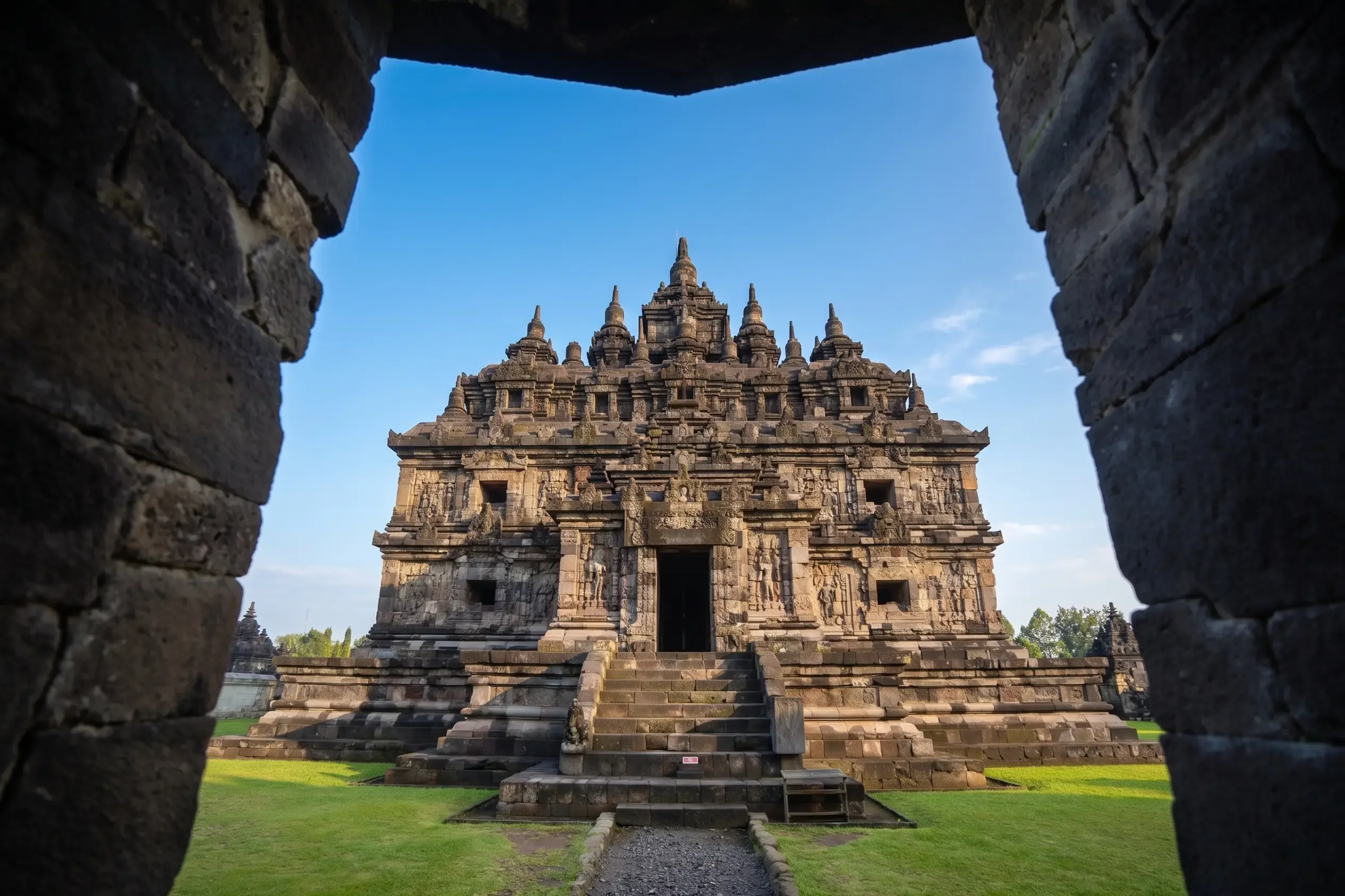
RRI.CO.ID, Klaten - Candi Plaosan is a ninth-century temple complex in Bugisan Village, Prambanan District, Klaten, Central Java. Known as the “Twin Temples,” Plaosan offers a remarkable story of love, religious diversity, and cultural harmony.
The complex consists of Plaosan Lor in the north and Plaosan Kidul in the south. Its history is closely associated with Rakai Pikatan, a Hindu ruler, and Pramodhawardhani, a Buddhist princess.
Their marriage brought together two different religious traditions during a period of political tension. Their relationship is remembered through Plaosan, which reflects how religious differences could coexist within Java's royal society.
Plaosan is traditionally associated with Rakai Pikatan's support for Pramodhawardhani and her Buddhist faith. The temple complex therefore carries a powerful historical message about mutual respect beyond religious differences.
Plaosan Lor is the larger and better-preserved section, featuring two main temples surrounded by numerous stupas and smaller temples. Its architecture also combines Buddhist elements with influences from the Hindu tradition, reflecting the cultural interaction of the period.
The reliefs offer another intriguing feature, with different human figures appearing across the two main temples. This distinctive arrangement has been interpreted as reflecting complementary roles and harmony between the two sides.
More than a thousand years later, Plaosan remains a striking example of cultural interaction in ancient Java. Its architecture demonstrates how different religious traditions could exist alongside each other within the same historical landscape.
The temple complex is surrounded by green rice fields, creating a peaceful setting for visitors exploring its history. Its proximity to Prambanan and Candi Sewu also makes Plaosan easy to include in a wider heritage journey.
For international travelers, Candi Plaosan offers more than ancient architecture and scenic views. Its enduring story of a Hindu ruler and Buddhist princess makes it a meaningful symbol of love, tolerance, and cultural harmony in Indonesia.
News Recomendation
Loading latest news.....