



Rinjani National Park Upgrades Mountain Climbing Trails
- 15 Jun 2026 19:01 WIB
- Voice of Indonesia
Key Points
- Mount Rinjani National Park has upgraded infrastructure across major hiking routes, including stairs, railings, bridges, and emergency shelters.
- The improvements are intended to enhance climber safety, reduce environmental impacts, and support sustainable tourism.
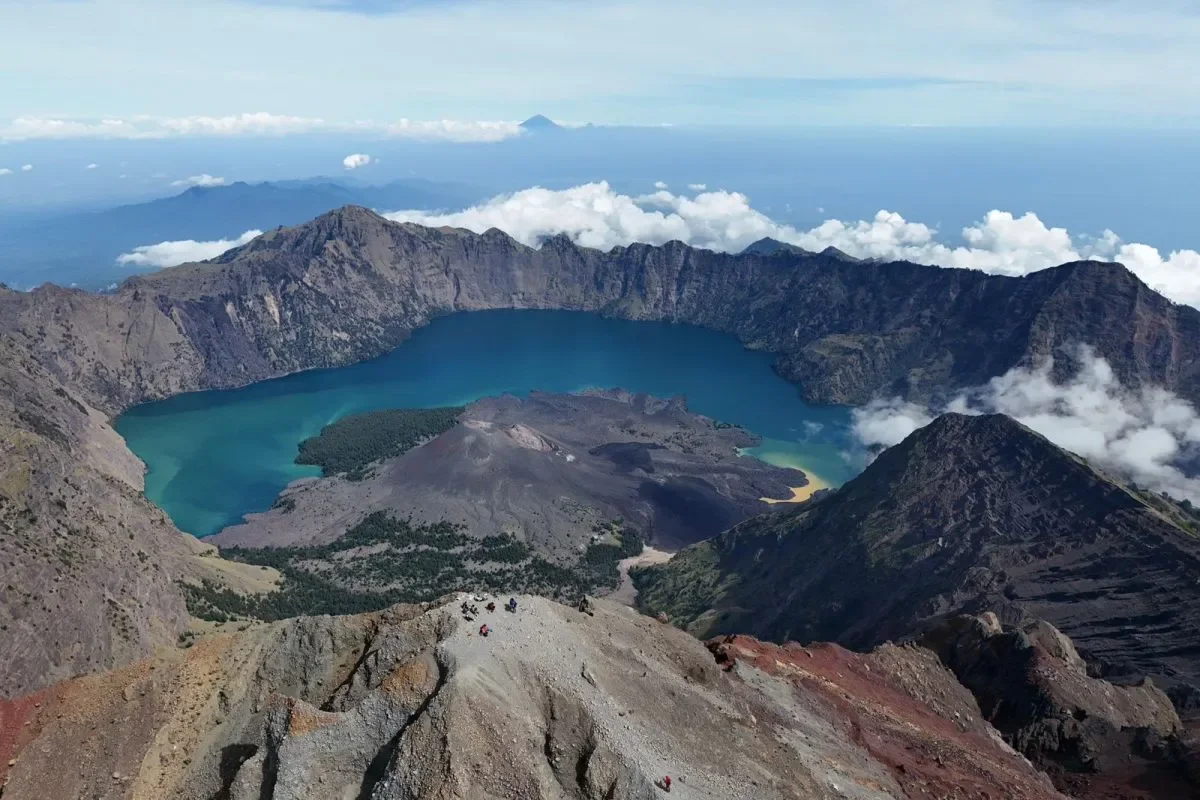
RRI.CO.ID, Mataram - The Mount Rinjani National Park Center (Balai TNGR) in West Nusa Tenggara has initiated a comprehensive infrastructure maintenance program across its primary climbing routes. The project is designed to significantly improve safety and comfort for hikers while maintaining the ecological preservation of the volcanic ecosystem.
Head of the Mount Rinjani National Park Agency, Budy Kurniawan, emphasized that safety remains the cornerstone of the national park's management strategy. "The safety of climbers is our top priority," Budy said on Monday, June 15, 2026, as quoted by Antara.
Kurniawan explained that the agency is continuously updating and maintaining facilities along several technical climbing routes to ensure that all trekking activities proceed safely without compromising environmental sustainability. "This is also an effort to preserve the area," he added.
The engineering and stabilization works span across multiple popular access trails leading up the mountain, addressing the specific geographic challenges of each route.
Along the heavily trafficked Sembalun trail, crews have installed gabions (bronjong) at critical erosion points before Post 3, built specialized structural steps on the Pelawangan crater rim leading toward the summit, and reinforced the paths heading down to Lake Segara Anak. On the Naga stretch of this route, workers placed geobags after Post 4, constructed summit steps, fixed steel railings and safety ropes, and successfully repaired the Jembatan Hijau (Green Bridge).
Concurrently, safety upgrades along the Senaru trail focus on the installation of steel railings and guide ropes stretching from the Batu Ceper section all the way to the Senaru crater rim.
The rugged Torean trail received substantial structural reinforcement, including the installation of steel stairs and a connecting steel deck right before and after the Penimbungan Waterfall. Crews also fixed railings and safety ropes at the technical Batu Licin section, secured the river crossing zone immediately past Batu Licin, and constructed a new emergency shelter for trekkers.
Further south, maintenance on the Timbanuh trail involved repairing the Blimbing River bridge, fixing steel railings and lines, and conducting land terracing and leveling work within the hazardous Jurang Rajek ravine area.
On the Tetebatu trail, park workers constructed stairs along the Aten Manuk Spring path, added railings and ropes toward the Sangkareang and Kondo peaks, and completely replaced weathered ropes and railings just below the Sangkareang summit.
Finally, on the Aik Berik trail, the engineering teams focused on securing pathways with new steel railings, guide ropes, and extensive land-shaping adjustments.
In light of these major safety additions, the national park management urges all local and international climbers to exercise caution, strictly follow field ranger instructions, and respect the newly installed infrastructure. Climbers must stick to official designated tracks, prioritize their physical well-being, and carry out all their waste to protect the national park from pollution.
"Protecting Rinjani is not only the duty of the officers, but it is our shared responsibility," he said. ***
News Recomendation
Loading latest news.....