


Gajah Mungkur Reservoir, From Flood Control to Tourism Destination
- 11 Mar 2026 15:23 WIB
- Voice of Indonesia
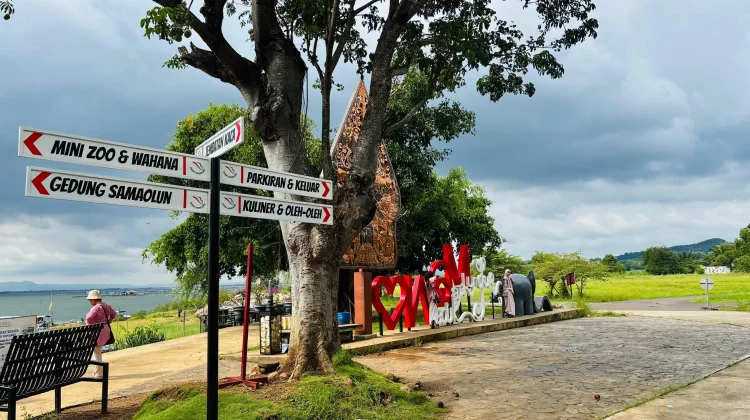
RRI.CO.ID, Wonogiri - Once built to tame the mighty Bengawan Solo River, Gajah Mungkur Reservoir today has taken on a new role as one of Central Java’s most popular tourism destinations.
Spanning 8,800 hectares, its calm waters framed by green hills now draw thousands of visitors each year for recreation, culture, and leisure, transforming a monumental engineering project into a living heritage site.
The reservoir’s origins trace back to the Bengawan Solo, Java’s longest river, which for centuries sustained farming, fisheries, and transport but also unleashed devastating floods downstream.
Efforts to control its flow began during Dutch colonial times, but only after Indonesia’s independence did the plan materialize.
In the 1970s, the government launched construction of a massive dam in Wonogiri, later named Gajah Mungkur Reservoir, inspired by local folklore of a giant elephant whose body became the surrounding hills.
With support from Japan, construction began in 1976 and was completed in 1981, giving the reservoir a capacity of more than 700 million cubic meters of water.
The project was transformative but came at a heavy social cost. Around 51 villages in six subdistricts were relocated in what became known as bedhol desa, literally means “uprooting a village.”
Families left behind homes, rice fields, and ancestral graves, some resettling nearby while others moved to distant transmigration sites in Sumatra and Kalimantan. The relocation was deeply emotional, yet it also carried promises of new opportunities in larger farmland and improved facilities.
Over time, the reservoir fulfilled its strategic purpose: controlling floods, irrigating vast farmland, generating hydropower, and supporting freshwater fisheries. Tilapia, catfish, and carp thrived, while tourism gradually flourished.
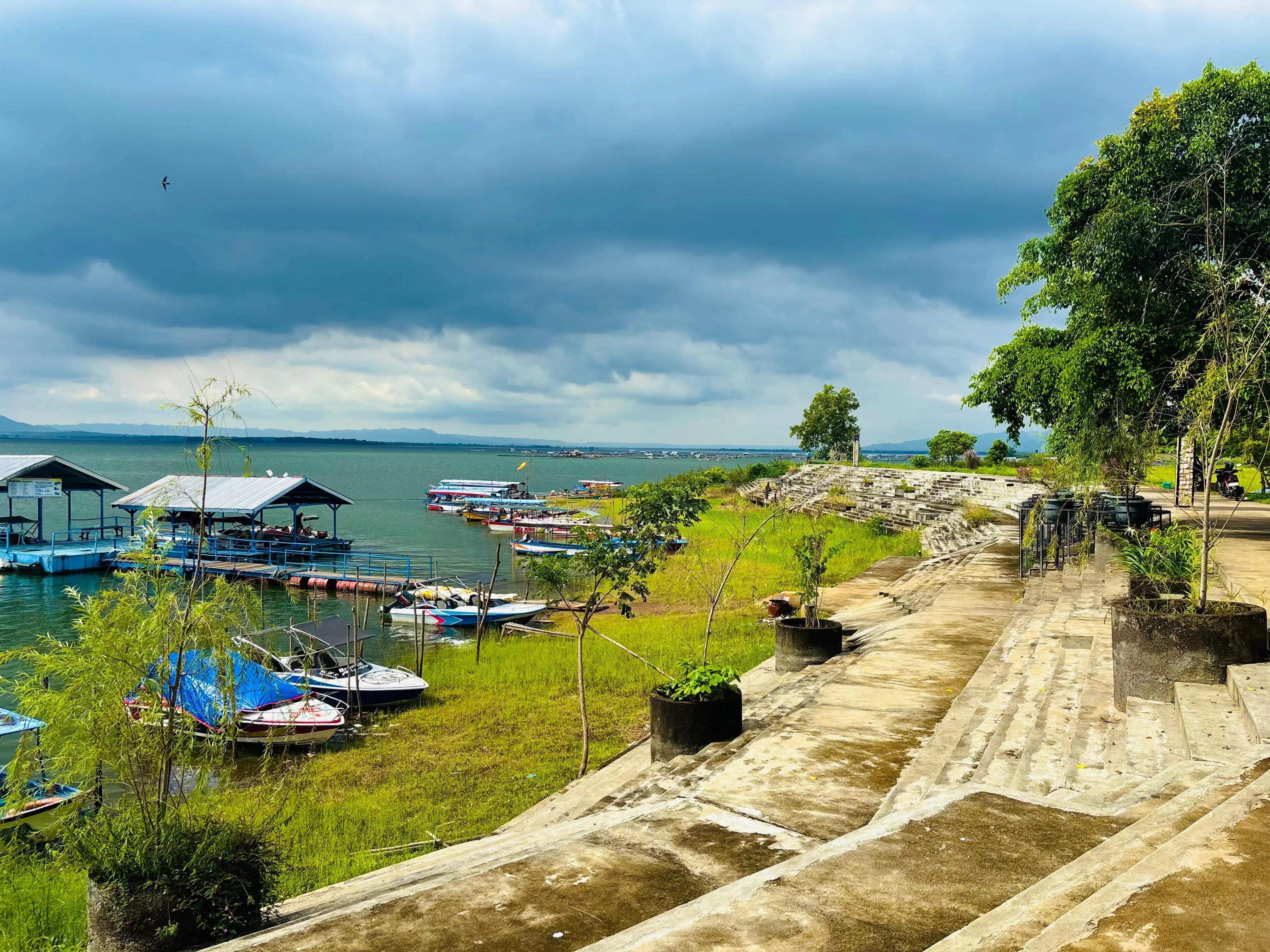
Today, visitors enjoy boat rides, fishing, paragliding, and cultural events. From above, the reservoir resembles a vast inland sea, a striking contrast to its utilitarian beginnings.
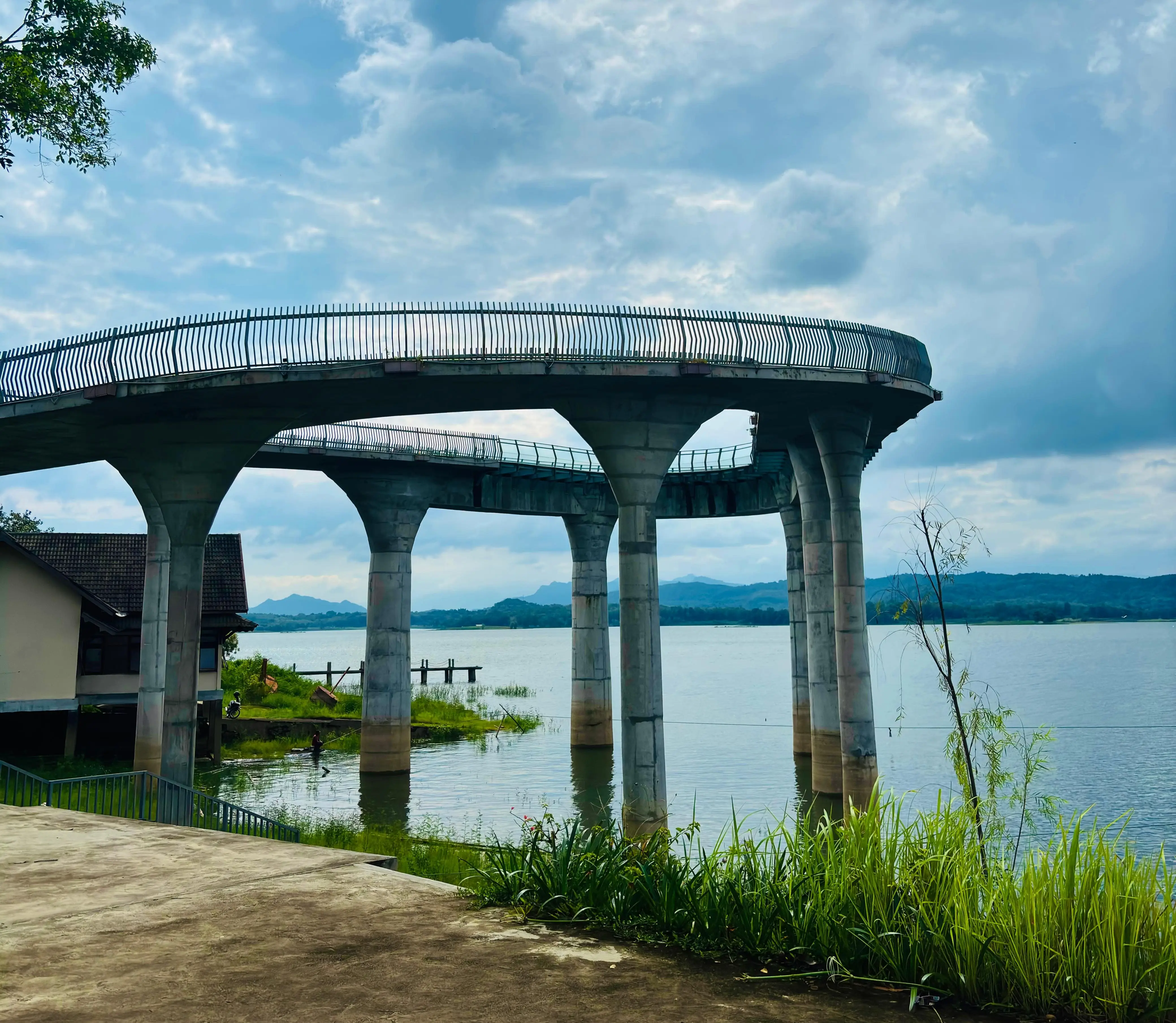
Tourism facilities continue to expand. Entrance tickets are priced at IDR 15,000, while attractions such as the glass bridge cost IDR 10,000 per person. Boat rides to floating fish farms start at IDR 10,000, with chartered trips available from IDR 100,000.
For visitors like Misni from Pati, Central Java, the reservoir offers a peaceful escape. “The local administration should pay more attention to its tourism potential. Access is still limited, but as a spot it’s quite nice -- calm and suitable for a short vacation,” she said.
More than four decades after its inauguration, Gajah Mungkur Reservoir remains both a symbol of national development and a reminder of the sacrifices made by local communities.
The memory of bedhol desa endures, passed down through generations as part of Indonesia’s collective history of modernization and resilience. Today, the reservoir stands as a place where history, heritage, and tourism converge. ***