



Indonesia’s Methane Hydrate Potential Reaches Over 800 TSCF
- 25 Apr 2026 10:57 WIB
- Voice of Indonesia
Key Points
- Indonesia has over 800 TSCF of methane hydrate, surpassing its current natural gas reserves.
- The resource offers major energy potential but requires advanced technology and long-term development.
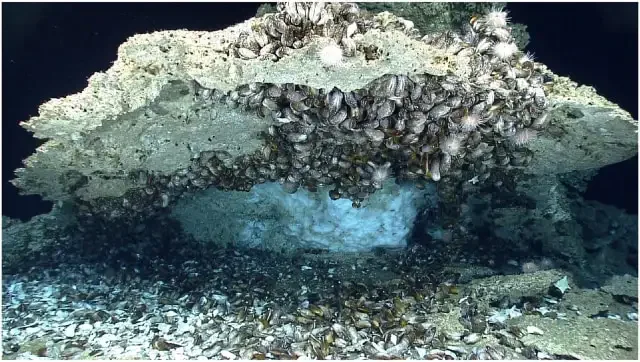
RRI.CO.ID, Bandung - As conventional oil and gas production continues to decline, Indonesia is looking toward its deep-sea floor for a massive alternative energy source: methane hydrate. Recent findings from the National Research and Innovation Agency (BRIN) suggest that this methane hydrate could be the key to the nation's future energy security.
A Senior Researcher at BRIN’s Geological Resources Research Center, Susilohadi, revealed that Indonesia’s methane hydrate potential is estimated at over 800 Trillion Standard Cubic Feet (TSCF). To put this in perspective, this figure is more than double Indonesia’s current conventional natural gas reserves, which stand at approximately 345 TSCF.
Methane hydrate is a solid, ice-like substance formed when methane gas becomes trapped within a crystal lattice of water molecules. This process occurs naturally under the high-pressure and low-temperature conditions found in the deep ocean, typically at depths exceeding 500 meters.
“Gas hydrate is actually a solid substance like ice. This means methane gas that is united with water,” Susilohadi explained during a presentation on Wednesday, April 22, 2026, as quited on BRIN's official website.
Geophysical mapping and seismic surveys have already identified significant deposits of methane hydrate in several key areas across the archipelago. These promising locations include the southern portion of the Sunda Strait as well as the northern and southern regions of the Makassar Strait.
Furthermore, substantial potential has been detected within the vast deep-sea regions of Eastern Indonesia, which remain geologically promising for future energy exploration.
Despite these promising leads, current research is largely reliant on secondary seismic data. Indonesia currently lacks the specialized primary data collection tools and high-tech extraction infrastructure required to tap into these reserves.
The path to commercialization remains a long-term goal. The primary hurdles include the massive costs associated with deep-sea extraction and the need for specialized technology that is still being refined globally.
The Indonesian government plans to acquire more advanced research vessels by 2029. This timeline suggests that in-depth primary research and potential pilot projects may not begin until approximately 2030.
If successfully managed through international cooperation and sustained government commitment, methane hydrate could serve as a vital solution for national energy resilience as traditional fossil fuel reserves dwindle. Its vast presence across one-third of Indonesia's deep waters marks it as one of the most significant untapped energy frontiers in the region. ***
News Recomendation
Loading latest news.....