



UI Researchers Develop Adaptive Tempe Starter for Climate Resilience
- 07 Apr 2026 19:04 WIB
- Voice of Indonesia
Key Points
- FMIPA UI developed an adaptive tempe starter using Rhizopus strains to withstand climate fluctuations.
- The innovation ensures stable fermentation, quality flavor, and supports Indonesia’s culinary heritage.
- Collaborating with producers and supported by national programs, the project strengthens food security and sustainability.
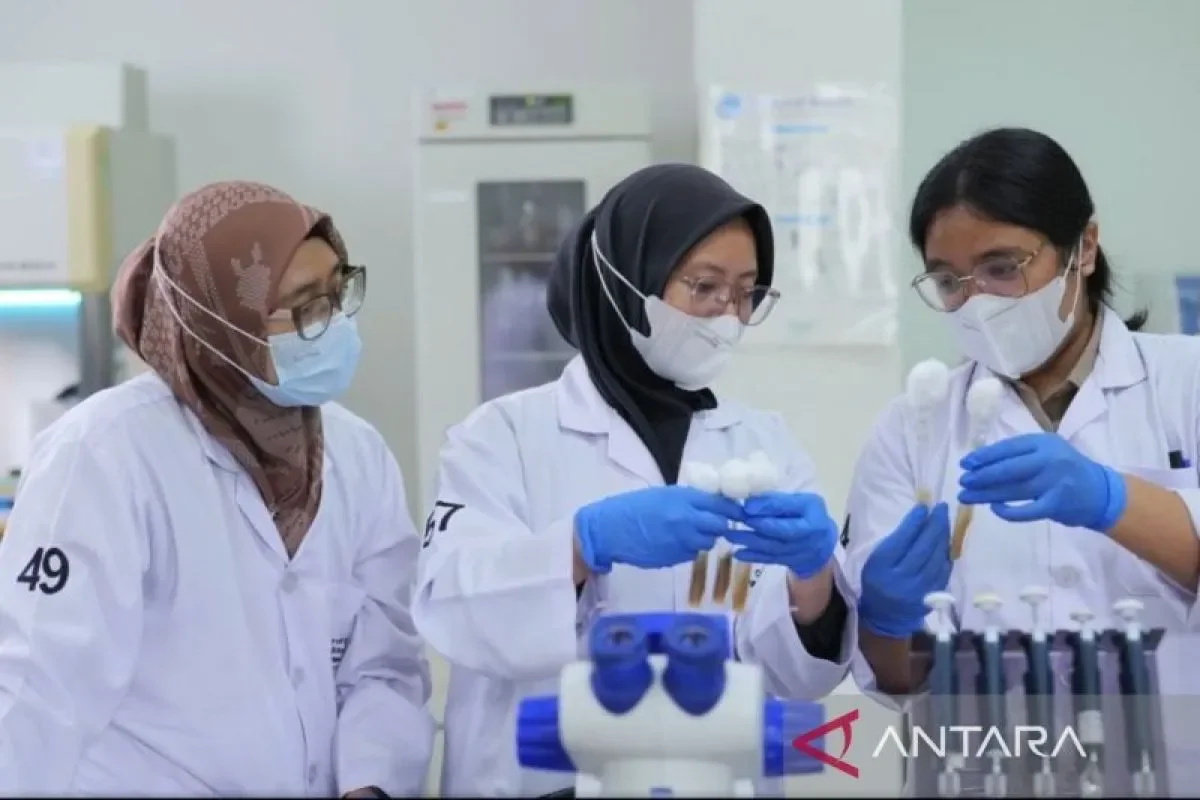
RRI.CO.ID, Jakarta - Researchers at the Faculty of Mathematics and Natural Sciences, University of Indonesia (FMIPA UI), have introduced an adaptive tempe starter designed to maintain production stability and flavor quality amid the challenges of climate change.
Microbial systematics expert Wellyzar Sjamsuridzal explained that the innovation is not only a technological breakthrough but also a cultural safeguard.
“We want to ensure tempe, as Indonesia’s culinary heritage, can continue to be produced at the highest quality without being disrupted by climate change. This starter is designed to minimize fermentation failures while enhancing flavor,” she said in Jakarta on Tuesday, April 7, 2026, as quoted by Antara.
Shifts in temperature and humidity caused by weather anomalies have long posed difficulties for tempe producers, particularly small and medium enterprises (SMEs). Many still rely on commercial starters that are less adaptable to environmental changes, resulting in inconsistent product quality.
To address this, FMIPA UI developed the adaptive starter using strains of Rhizopus fungi from the University of Indonesia Culture Collection (UICC), one of the country’s most comprehensive tempe mold repositories.
By combining selected strains, the starter can withstand fluctuations in climate while producing tempe with its signature aroma, thick white mycelium, and firm texture.
The innovation also embraces a low-waste approach. Byproducts such as liquid residues resembling used cooking oil can be repurposed as alternative fuels, while life cycle assessment (LCA) studies show the process has a low carbon footprint, aligning with clean and sustainable energy principles.
“This adaptive starter strengthens food security, supports tempe artisans, and ensures the sustainability of Indonesia’s culinary heritage,” Wellyzar noted.
The project is being developed collaboratively with tempe producers in the Greater Jakarta area, involving academics, industry, government, and local communities. It is also supported by the Bestari Saintek Program under the Ministry of Education, Culture, Research, and Technology and the Indonesia Endowment Fund for Education (LPDP).
By combining science, tradition, and sustainability, UI’s innovation aims to protect one of Indonesia’s most iconic foods while empowering local producers to thrive in a changing climate. ***
News Recomendation
Loading latest news.....