



Palm Oil Waste Innovation Offers New Path for Industry, Sustainability
- 26 Nov 2025 20:38 WIB
- Voice of Indonesia
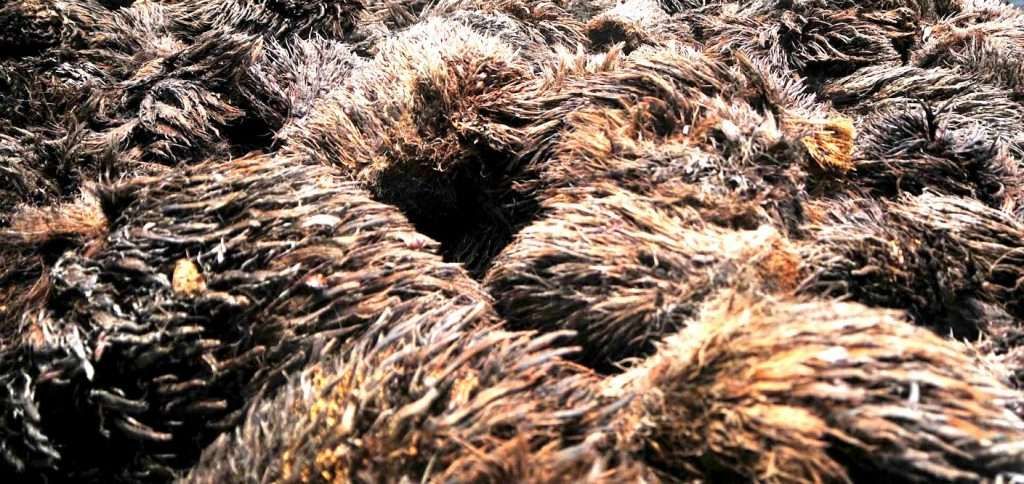
KBRN, Jakarta: Indonesia’s vast palm oil industry is generating new opportunities for sustainable innovation. Novitri Hastuti, Senior Researcher at the Biomass and Bioproduct Research Center of the National Research and Innovation Agency (BRIN), has unveiled a breakthrough in processing empty fruit bunches (EFB) from palm oil into cellulose derivatives with significant industrial and environmental potential.
As the world’s largest producer of crude palm oil (CPO), Indonesia produces abundant EFB waste. Novitri explained that the waste contains more than 40 percent cellulose, making it highly suitable for conversion into various derivatives, including carboxymethyl cellulose (CMC).
“The cellulose content in EFB, which exceeds 40 percent, can be converted into high-quality CMC,” she said during the 76th ORNAMAT Forum on Tuesday, as quoted on BRIN's official website on Wednesday, November 26, 2025.
One tested application is the use of CMC from EFB as a tomato coating combined with ginger extract. Research shows the coating can preserve freshness for up to 21 days, maintain vitamin C levels, and provide antibacterial activity. This finding opens the door for safe, eco-friendly food coatings.
Beyond food applications, CMC derived from biomass can be used as membranes for filtering batik wastewater, foaming agents in food products, and fat substitutes to produce healthier foods. These diverse uses highlight the broad potential of biomass as a high-value industrial raw material.
Novitri emphasized that Indonesia has a major opportunity to develop cellulose derivatives thanks to the availability of agricultural and plantation residues that remain underutilized. Converting biomass into cellulose products not only creates economic value but also reduces carbon emissions.
“If left to decay, biomass residues can release methane gas, which harms the environment,” she noted.
However, challenges remain. Processing costs are relatively high due to impurities that require complex extraction, and Indonesia’s cellulose processing capacity is still limited. “Although some industries sell CMC, most of the raw materials are imported. This dependence shows we are not yet fully self-reliant,” Novitri explained.
She added that more efficient, energy-saving technology is needed, as current extraction and conversion processes rely on chemicals and high temperatures. Innovation in technology will be critical to lowering production costs and boosting competitiveness.
BRIN is opening opportunities for collaboration to advance downstream research, from laboratory stages to commercial applications. Novitri hopes innovations in cellulose derivatives from EFB will deliver tangible benefits to society, enhance the economic value of Indonesia’s natural resources, and support sustainable development as well as national health resilience. ***
News Recomendation
Loading latest news.....